
Revolutionary Advancements in Lung Cancer Treatment
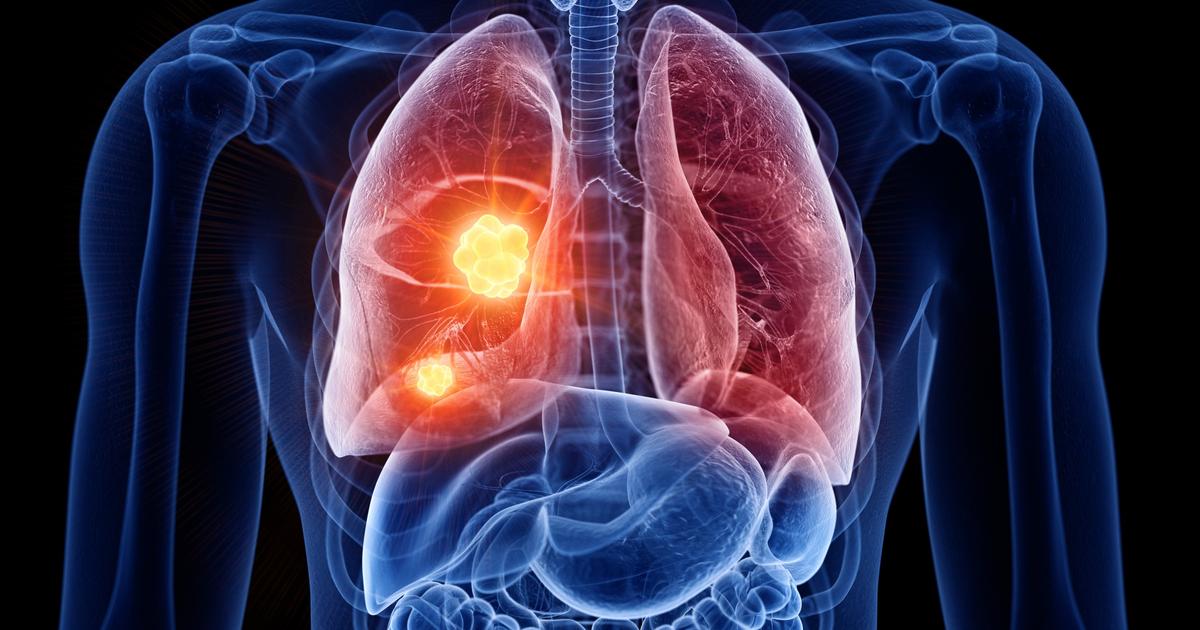
Lung cancer remains one of the most deadly forms of cancer, resulting in approximately 1.8 million deaths worldwide each year. In France alone, around 50,000 new cases are diagnosed annually, establishing it as the third most common cancer by incidence. Recent findings presented at the American Society of Clinical Oncology (ASCO) annual congress held in Chicago offer a sliver of hope for patients suffering from this aggressive disease.
The CheckMate-816 study, led by Professor Nicolas Girard, a prominent pulmonologist and head of the medical oncology department at Institut Curie, focuses on non-small cell lung cancer (NSCLC), the most prevalent type of lung cancer. The results have been featured in the esteemed journal New England Journal of Medicine, signifying their high scientific merit.
The Role of Early Detection
When lung cancers are identified at an early stage, surgical intervention can significantly enhance survival rates. However, despite an initially favorable prognosis, the risk of recurrence remains high. As Professor Girard explains, "The larger the tumor, the greater the risk of relapse." For tumors measuring just one centimeter, the chance of recurrence is substantial.
The CheckMate-816 Study
CheckMate-816 explores the potential of new treatment combinations that might delay or even eliminate the need for surgery. This study introduces a unique combination of therapies that have shown promising results in reducing tumor size prior to surgical intervention.
Key highlights of the study include:
Combination Therapy: The patients in the study received a targeted therapy combined with chemotherapy. This novel approach aims to shrink tumors effectively before surgery, potentially leading to better outcomes.
- Surgical Outcomes: A remarkable 25% of patients treated with this combination no longer exhibited cancerous cells in their tumors at the time of surgery. This statistic represents a significant advancement in lung cancer treatment, offering new avenues for patient care.
Hope for the Future
The implications of these findings are substantial for patients diagnosed with lung cancer. The prospect of avoiding surgery altogether or significantly increasing the chances of successful surgical outcomes is revolutionary. As Professor Girard notes, “This treatment strategy does not just aim for better management of cancer; it aspires to change the very way lung cancer can be treated.”
Moreover, these developments place emphasis on the importance of ongoing research in the field of oncology. With innovations like those demonstrated in the CheckMate-816 study, we are beginning to see a paradigm shift in the treatment of lung cancer.
Further Investigation and Continued Research
Though the results are promising, further studies are essential to confirm the long-term efficacy and safety of these new treatment modalities. As the landscape of cancer treatment is continuously evolving, it remains vital for researchers and healthcare professionals to dedicate their efforts to exploring groundbreaking therapies that can potentially lessen the burden of this disease.
Implications for Patient Care
For patients, these advancements mean a new hope for improved outcomes and quality of life. As the healthcare community continues to investigate these findings, patients might find themselves with more personalized options tailored to their individual needs.
Conclusion
While advancements such as the CheckMate-816 study open new doors in lung cancer treatment, they are only the beginning. The healthcare community must continue to prioritize research and innovation to ensure patients have access to the most effective treatment options available. Every step forward in this arena brings us closer to turning the tide against lung cancer, ultimately saving countless lives.
DÉCRYPTAGE – Un quart des patients qui reçoivent le traitement n’ont plus de cellules cancéreuses dans leur tumeur lorsqu’ils sont opérés par la suite.