
The Power of Probiotics: A Comprehensive Guide
Probiotics have gained significant attention in recent years as superheroes of gut health. They not only aid in digestion but also boost the immune system and enhance skin health. Some research even suggests that probiotics can help reduce body fat, waist circumference, and body mass index (BMI). Given these advantages, it’s no surprise that probiotics are becoming an indispensable part of many people’s health routines.
What Are Probiotics?
At their core, probiotics are live microorganisms, mostly bacteria and yeast, that provide health benefits when consumed in adequate amounts. The most common types are lactic acid bacteria (including Lactobacillus and Bifidobacterium) and yeasts like Saccharomyces boulardii. These organisms exist naturally in our gut and play a crucial role in maintaining a balanced microbiome.
The Importance of Gut Health
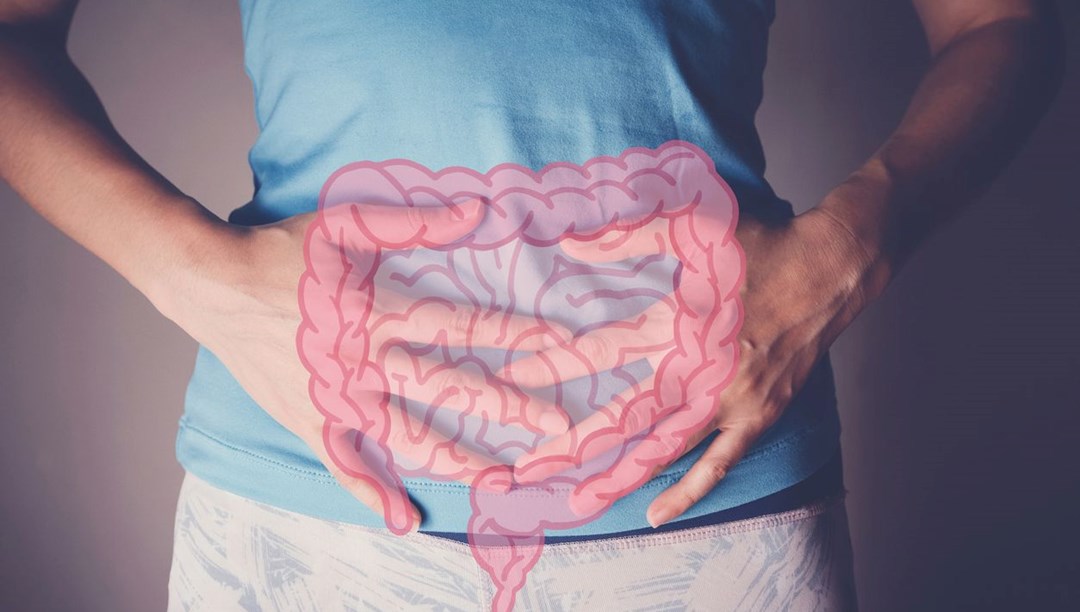
A healthy gut is essential for overall well-being. The gut microbiome consists of trillions of microorganisms that contribute to various bodily functions, including digestion, absorption of nutrients, and immune responses. A well-balanced gut microbiome can prevent issues like IBS, obesity, and even mental health disorders. Incorporating probiotics into your diet can help maintain this balance, providing a multitude of health benefits.
Benefits of Probiotics
Enhanced Digestive Health
One of the most well-known benefits of probiotics is their ability to improve digestive health. They contribute to the breakdown of food, making nutrients more accessible for absorption. Probiotics also help alleviate symptoms of digestive disorders, such as constipation, diarrhea, and bloating.
Immune System Support
Probiotics play a significant role in enhancing our immune system. By promoting the growth of beneficial bacteria, they can help fend off harmful pathogens. Studies have shown that probiotics can increase the production of antibodies and enhance the activity of immune cells. This results in a more robust defense against infections and diseases.
Weight Management
Emerging research highlights the potential of probiotics in weight management. Some studies suggest that specific strains can help regulate appetite and reduce body fat by affecting hormones related to appetite. While this is still an evolving area of research, preliminary findings are promising for those looking to manage their weight effectively.
Skin Health
The relationship between gut health and skin health is becoming increasingly recognized. Probiotics can help address issues like acne, eczema, and psoriasis. By promoting gut health and reducing inflammation, probiotics may lead to clearer skin and improved overall complexion.
Sources of Probiotics
It’s essential to incorporate probiotics through both supplements and dietary sources. While many people opt for probiotic supplements, incorporating fermented foods is a natural and beneficial way to enhance your probiotic intake.
Fermented Dairy Products
Yogurt and kefir are two of the most popular sources of probiotics. They are rich in live cultures and generally well-tolerated, making them ideal for individuals looking to boost their gut health.
Fermented Vegetables
Sauerkraut and kimchi are excellent sources of probiotics. These fermented vegetables not only add a tangy flavor to your meals but also provide a host of health benefits.
Kombucha
This fermented tea has gained popularity for its refreshing taste and probiotic content. Kombucha contains various strains of bacteria and yeast, making it an excellent addition to a gut-friendly diet.
Miso and Tempeh
These fermented soy products are staples in Japanese cuisine and rich in probiotics. They not only contribute to gut health but also serve as great alternatives for those seeking plant-based protein sources.
Choosing the Right Probiotic
When looking for a probiotic supplement, it’s essential to choose one that suits your specific health needs. Factors to consider include:
Strains: Different strains serve various functions. Research which strains are best suited for your health goals.
CFUs: Look for products that contain a high number of colony-forming units (CFUs). This indicates the number of viable bacteria present.
- Shelf Stability: Ensure the probiotics are stored correctly and have a good shelf-life to maintain their potency.
Conclusion
Including probiotics in your daily routine can enormously benefit your health, especially regarding digestive wellness, immune function, and even skin appearance. From fermented foods to supplements, the options are plentiful, allowing you to personalize your approach to better gut health. By understanding the role of probiotics and how to incorporate them into your lifestyle, you take a significant step toward achieving a healthier you.