
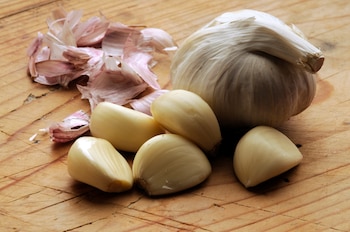
Garlic is a vegetable belonging to the family Allium. Traditionally, garlic has been celebrated for its numerous benefits, including the reduction of blood pressure and intestinal disinfection, among others. However, it’s important to recognize that its medicinal use is not without risks, particularly when consumed in excess or in concentrated supplement forms.
Among the most common side effects of garlic are digestive discomforts such as heartburn and acid reflux. These symptoms occur because garlic can irritate the gastric mucosa. If these symptoms persist after stopping garlic consumption, it is advisable to consult a healthcare professional.
Additionally, garlic can lead to abdominal bloating, cramps, and gas accumulation, which may manifest as fatigue or drowsiness when consumed in large quantities over a prolonged period.
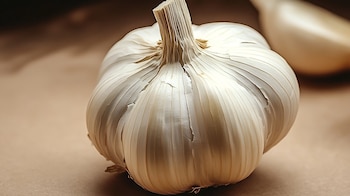
Another frequent side effect of consuming garlic is bad breath and a strong body odor. Although these symptoms can be quite inconvenient, they are generally not considered a health risk.
One of the most significant risks associated with garlic is its potential to affect blood coagulation. The anticoagulant compounds in garlic can elevate the risk of hemorrhaging , leading to conditions such as excessive nosebleeds. This risk multiplies when garlic is taken alongside anticoagulant medications or in large quantities.
Topical applications of garlic are also not free from complications. Applying garlic directly to the skin can lead to mild redness and, in some cases, lesions resembling burns.
Individuals with liver disorders should note that research has suggested an increase in liver toxicity associated with excessive garlic intake.
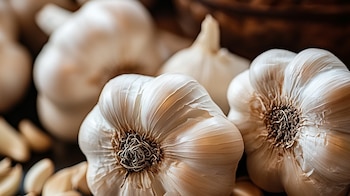
People with blood coagulation problems should be especially cautious, as they are at a higher risk of bleeding, particularly when consuming raw garlic or in conjunction with other medications. Additionally, garlic may interact with diabetes medications, which can lead to excessively low blood glucose levels. Those taking medications for hypertension or with naturally low blood pressure might also experience dangerous drops in blood pressure from high garlic consumption.
During pregnancy and breastfeeding, it is advised not to exceed the typical dietary amounts of garlic since safety at higher doses during these periods remains unclear.
In most instances, the digestive discomfort caused by garlic subsides once it is eliminated from the diet. However, if symptoms persist for more than a week or become severe, seeking medical attention is crucial. While garlic is immensely valuable for its medicinal properties , it is vital to use it responsibly, customizing intake according to individual health conditions.