
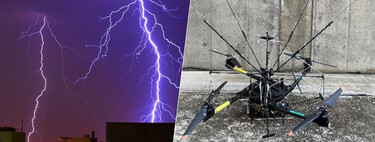
When the skies darken and thunder rumbles, many people feel a mixture of fear and fascination . Lightning is one of nature’s most spectacular phenomena, igniting curiosity and igniting a myriad of questions about its nature. While the chances of being struck by lightning are less than one in a million, it’s still wise to understand how to mitigate risks associated with this powerful electrical discharge.
The phenomenon of lightning, often paired with storms, has its origins in the atmosphere but can reach the Earth’s surface. Despite extensive research, numerous mysteries regarding its formation still remain, leading us to delve into the captivating world of lightning.
What is Lightning?
Lightning is an electrical discharge that typically occurs within storm clouds. Each lightning bolt can generate multiple discharges. While many associate lightning solely with thunderstorms , these fierce discharges can also occur during volcanic eruptions , intense fires, and even during nuclear detonations. Understanding lightning’s diverse contexts highlights its complex and fascinating nature.
How is Lightning Formed?
Lightning is predominantly observed under stormy conditions , yet the full details of its formation are not entirely understood. What we do know is that clouds can accumulate positive and negative electric charges . Normally, air acts as an insulator , separating these charges. However, when the accumulation surpasses a specific threshold, the air can no longer insulate, leading to a massive electrical discharge capable of traveling vast distances.
The origins of charge accumulation within clouds remain somewhat elusive. Current hypotheses suggest it’s due to collisions among tiny hail particles, which gain charges when they clash with supercooled water droplets . These interactions create a dynamic environment ripe for lightning strikes.
Difference Between Lightning, Thunder, and Lightning
While electrical shocks can be invisible to the human eye, lightning is strikingly visible. The brilliant flash of light is accompanied by a roar we recognize as thunder . The intense heating from electrical discharges can exceed 27,000º Celsius , creating an incandescent effect in the surrounding air and generating the sound of thunder. This rapid expansion of heated air results in the sound wave we hear.
Because light and sound travel at significantly different speeds, we often see a lightning flash before hearing the thunder it generates. This delay allows us to estimate the distance of a storm by counting the seconds between the flash and the sound, providing a fascinating glimpse into the natural world.
Types of Lightning
Cloud Flashes and Cloud-to-Cloud Discharges
Among the various forms of lightning, the cloudy flashes stand out. Most lightning strikes do not reach the ground; instead, they occur intra-cloud , remaining within the cloud from which they originate. However, some lightning can escape partially and even connect with other clouds, forming cloud-to-cloud discharges.
Cloud-to-Surface Lightning
In contrast, cloud-to-surface lightning reaches the Earth. These discharges primarily occur from the cloud downwards and are classified as either negative or positive , based on the location of the charges. Negatively charged lightning strikes account for about 95% of strikes, where the cloud bears a negative charge while the Earth holds a positive charge. In contrast, positive lightning is more potent and less frequent, originating higher in the cloud.
Other Unique Light Events
There are also less common phenomena known as transient luminous events (TLE) , which are elusive and difficult to observe, leaving much to explore about their origins.
How Powerful is Lightning?
The strength of lightning varies significantly but a typical strike can discharge about 30,000 amperes at voltages reaching 300 million volts. Less frequently, positive lightning can discharge a staggering 300,000 amperes and reach voltages of up to 1 billion volts . Despite this immense energy, we face challenges when considering harnessing lightning’s power for practical use, primarily its transient nature and uncontrollable release.
Lightning’s unpredictability and enormous power necessitate robust systems to store and utilize energy safely, which remains a significant scientific challenge. As we continue to explore the mysteries of lightning, it remains a source of wonder and danger, compelling us to study and respect its capabilities.
The good news is that the chance of being struck by lightning this year is less than one in a million. Even better news is that 90% of people struck by lightning survive. Even so, it is always advisable to avoid risks when we are talking about atmospheric phenomena as violent as these.