
The “Storm of the Century”: A Closer Look at the Hype
It’s curious how the term “storm of the century” has become a staple in weather forecasts lately. As reports circulate, the date has even been set for February 25—marking when this so-called storm is expected to hit Spain’s shores. However, labeling this event as a “storm of the century” is misleading, a mere journalistic hook that does not hold up to scrutiny.
What Do the Weather Models Say?
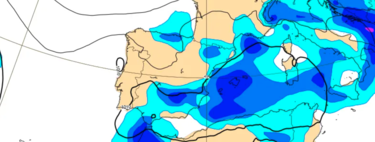
On closer inspection, weather forecasts indicate that what we’re facing is more akin to an Atlantic front than an exceptional storm. The Spanish Meteorological Agency (AEMET) and other weather experts depict a much less dramatic scenario. Expected rainfall in Galicia is estimated to be between 20–40 liters per square meter, while other areas will see negligible precipitation. Instead of a widespread weather crisis, most regions will experience minimal rain, and the winds will not pose significant threats.
Rain in the Canary Islands
It’s also worth noting that while some rain may occur in the Canary Islands, it won’t be due to the same systems affecting the mainland; instead, it is anticipated to be influenced by a DANA (Depresión Aislada en Niveles Altos) event in Morocco. Therefore, the prospect of significant storms causing widespread disruptions is quite unlikely.
The Lack of Severe Weather Warnings
So, what does this mean going forward? In essence, it means little. There are no forecasts predicting catastrophic winds or flooding. AEMET has expressed concern about persistent rainfall in northwest Spain, but this does not indicate an apocalyptic storm scenario.
The Return of Haze
On a lighter note, one phenomenon that may make a return is haze, which has been largely missing from recent weather discussions. While some individuals may relish a break from extreme weather, the absence of chaos is, truthfully, good news.
The Dangers of Sensationalism
The assertion that a “storm of the century” is approaching should be met with skepticism. After a winter characterized by numerous storms, the constant barrage of such alarming forecasts is leading to social desensitization regarding genuine meteorological threats. Instead of warning of the next disaster, media outlets should be focusing on the facts and presenting forecasts grounded in reality.
Climate Change and Precipitation Extremes
AEMET also cautions against falling into the sensationalism trap, especially during a time when we may be entering a new era of rainfall extremes. Climate change is intensifying precipitation globally, making it critical for meteorological discourse to remain balanced and factual.
Conclusion
In summary, the upcoming weather event does not warrant alarm. The “storm of the century” is nothing more than a media fabrication designed to grab attention rather than reflect reality. As we navigate this evolving climate landscape, it’s vital to prioritize accurate information over sensationalism.
Image Credit: Torsten Dederichs