
The Touristification of Everest: From Sacred Peak to Crowded Summit
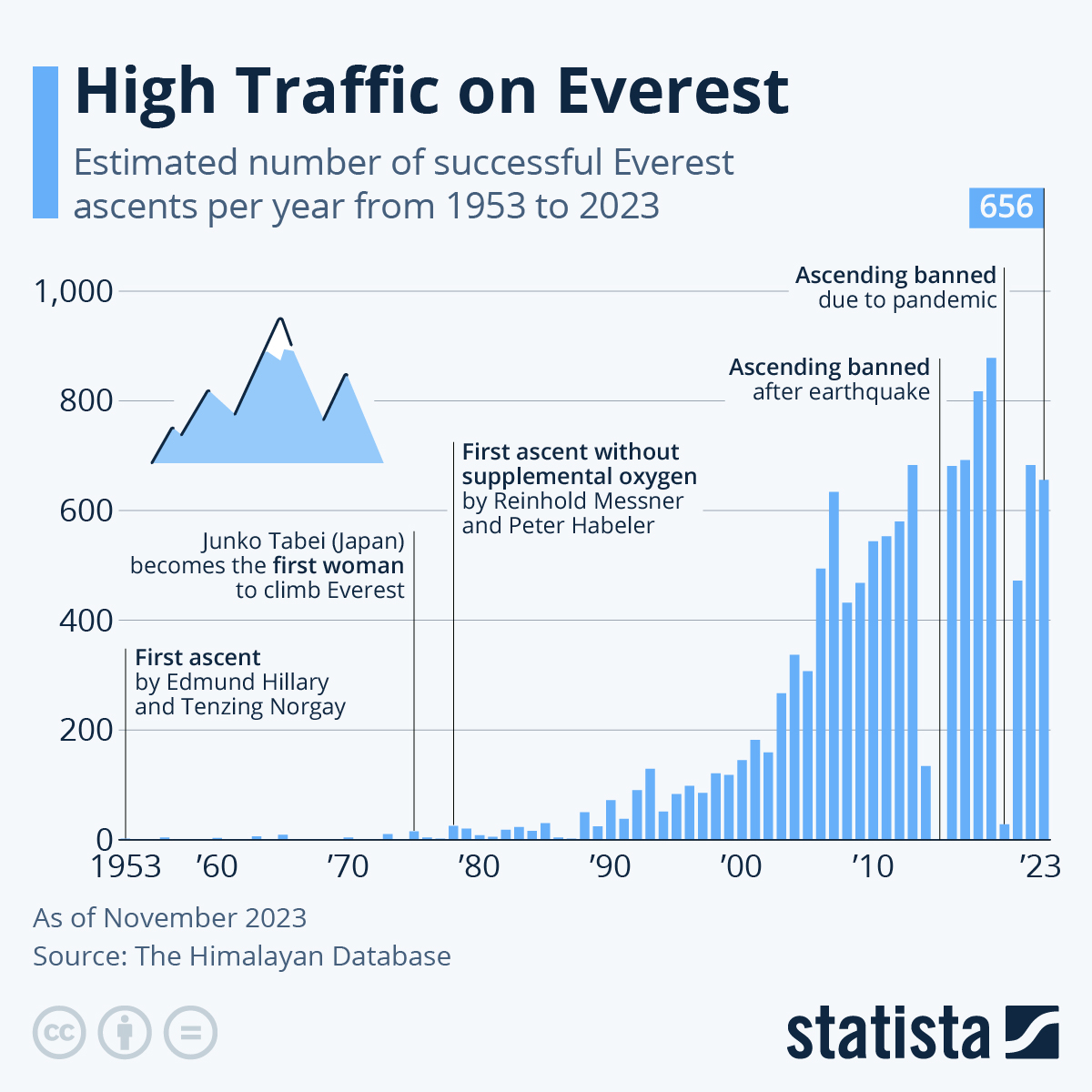
Everest, often referred to as the “roof of the world,” has transformed dramatically since Edmund Hillary and Tenzing Norgay reached its pinnacle in the 1950s. Today’s peak is not just a realm for intrepid adventurers but a bustling tourist destination, where climbers queue like patrons at a popular museum. A snapshot by Nirmal Purja in 2019 captured this disturbing reality, showcasing a long line of climbers ascending the mountain, reminiscent of a queue outside the Louvre.
The Reality of Overcrowding
The once-inhospitable Everest is now akin to a massive theme park. This transformation is evident in the statistics. Each year, hundreds of climbers flock to Everest, generating millions in revenue but leaving behind a significant environmental footprint, including tons of human waste. This shift raises critical concerns about the sustainability of such tourism practices.
Economic Implications
Tourism has proven to be a lucrative venture for Nepal. According to the World Travel and Tourism Council, in 2023 alone, tourism generated over $2.5 billion and created numerous jobs. This influx of revenue has prompted discussions regarding increasing mountaineering fees by 40%, which would help fund cleanup efforts on the mountain.
The Underbelly of Mountaineering: Scam Rescues
While the economic benefits are evident, the situation becomes murkier when we scrutinize the ethics within this booming industry. Recent reports indicate a worrying rise in fraudulent rescue operations that exploit insurance policies. The Central Investigation Bureau (CIB) of Nepal has uncovered a network that has made millions through deceptive practices, often preying on the vulnerabilities of climbers.
Methods of Deception
The scammers have developed two primary methods to orchestrate these fraudulent rescues:
Collaborative Deception: Tourists themselves are often enlisted in the scam. Exhausted climbers may be persuaded by their guides to fake an illness, leading to unnecessary rescue operations.
Manipulative Fear: Guides exploit tourists’ ignorance regarding altitude sickness, convincing them that mild symptoms signify life-threatening issues, which results in unnecessary helicopter evacuations.
The Financial Gains
These scams are not just about immediate gains but leverage multiple financial loopholes. For instance, a single helicopter flight, costing around $4,000, can be billed multiple times, turning a simple rescue operation into a lucrative fraud scheme.
The Allegations of Poisoning
Adding another layer of complexity, some reports allege that scammers may even resort to poisoning climbers during expeditions to expedite rescue claims. Although these claims have garnered significant media attention, authorities have yet to confirm any instances of food adulteration.
Addressing the Problem
The Nepalese Government acknowledges the problem of fraudulent rescue operations, which have persisted over the years despite previous investigations. Recent allegations have brought about a renewed commitment from the Ministry of Culture to enforce stricter measures to prevent such scams.
Conclusion: A Call for Sustainable Tourism
As Everest grapples with the dual challenges of overcrowding and fraudulent practices, it’s imperative that stakeholders prioritize sustainable tourism. Protecting the sanctity of this majestic peak while ensuring the safety and honesty of climbers must remain at the forefront of future discussions. The billions generated by tourism should serve as a catalyst for preserving the integrity of Everest, rather than compromising it for short-term financial gain.