
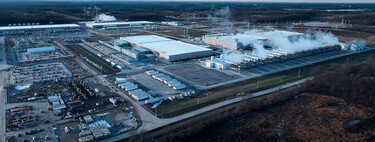
The Rise of AI and Its Impact on Energy Demand
The rapid growth of artificial intelligence (AI) is significantly increasing global electricity demand, pushing it to unprecedented levels. As data centers proliferate and electrification advances, the strains on aging electrical networks become more pronounced, particularly in already saturated markets.
The Energy Paradox for AI Development
In this challenging landscape, the digital sector faces a daunting paradox. As AI requires increasingly more energy to function and evolve, it must also strive to do so without exacerbating carbon emissions. This brings to light a groundbreaking proposal that, until recently, seemed outlandish: data centers powered by compact fast neutron nuclear reactors.
The Stellaria-Equinix Partnership
What You Need to Know
In a surprising turn of events, French startup Stellaria, born out of the Commissariat for Atomic Energy (CEA) and partnered with Schneider Electric, has established a pre-purchase agreement with Equinix, one of the leading global data center operators. This deal secures Equinix a significant 500 MW of capacity from Stellaria’s innovative molten salt and fast neutron reactor, which is slated for deployment starting in 2035. This is part of Equinix’s broader strategy to embrace alternative energy solutions for AI-centered data centers.
Innovations in Energy Production
According to Stellaria, this new reactor will offer completely carbon-free, manageable energy that could potentially allow data centers to operate independently. The design is compact—occupying just four cubic meters—and engineered to be placed underground without the need for exclusion zones, thanks to its atmospheric pressure operation and liquid core.
Key Features of the Fast Neutron Reactor
Autonomy, Zero Carbon, and Waste Management
The fast neutron reactor offers several noteworthy benefits that could revolutionize energy supply for data centers:
- Carbon-Free Energy: Ensure autonomous energy production, crucial for uninterrupted AI operations.
- Multi-Fuel Capability: Operate on various fuels, including Uranium and Plutonium, enhancing fuel flexibility.
- Ultra-Fast Load Response: Essential for the dynamic workloads of generative AI applications.
- Sustainable Fuel Regeneration: Capable of using existing nuclear waste, making it a low-waste solution.
The Future of Nuclear Technology in AI
Understanding the Reactor’s Functionality
The Stellaria reactor is a fourth-generation liquid chloride salt reactor, renowned for its ability to sustain fission for over 20 years without the need for recharging. By 2029, the company aims to achieve its first fission reaction, with commercial deployment expected by 2035. Notably, the energy density of this reactor is approximately 70 million times greater than that of lithium-ion batteries, powerful enough to supply energy to a city of around 400,000 residents.
Advanced Fission vs. Fusion
While nuclear fusion technology is making strides, it remains predominantly in the experimental phase. For example, though recent advancements like the French WEST reactor have shown promise, commercial fusion reactors are still likely years away. In contrast, advanced fission technologies, such as the fast neutron reactor, are closer to market viability, making them a more immediate solution for energy needs.
The Transformation of Data Centers
A New Era of Energy Independence
Equinix, with over 270 data centers across 77 metropolitan areas, is already utilizing 100% renewable energy. However, the future demand from AI necessitates a reliable, carbon-free energy source that won’t burden the electrical grid. Stellaria’s partnership indicates a move toward data centers with energy autonomy, setting the stage for Europe to become a pioneer in using compact reactors that recycle their nuclear waste.
Conclusion: Pioneering the Future of Computing and Energy
As the technological race between advanced fission and fusion evolves, the introduction of a compact fast neutron reactor for AI applications marks a significant leap forward. Remarkably, this innovation emerges not from a large industrial enterprise but from a French startup, potentially shaping the future of both energy generation and computing.
Image by Freepik and Stellaria