
The Battle Against Invasive Species: The Asian Wasp Crisis
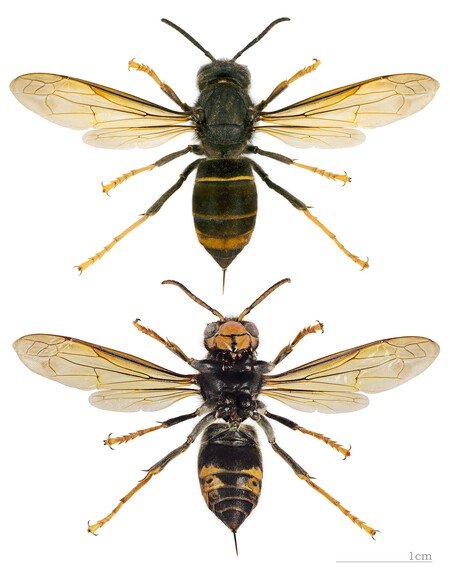
Invasive species pose a colossal problem for ecosystems around the world. It is estimated that more than half of contemporary extinctions are attributed to such invaders. A poignant example of this is the Asian wasp , specifically the Vespa velutina, which has been a source of anxiety across Europe for the last two decades. This species has rapidly expanded its habitat, wreaking havoc, and its presence underlines the difficulties faced by local fauna.
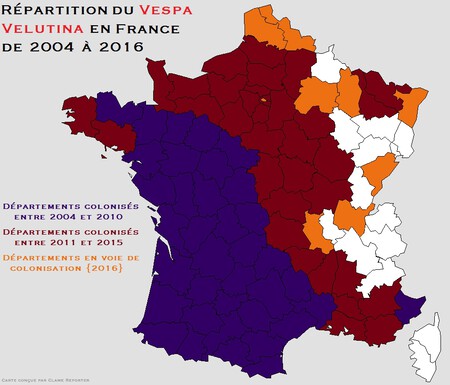
The Vespa velutina , approximately three centimeters long, made its debut in Europe at the start of this century, likely hitching a ride on a cargo ship from China. This wasp landed on the French coast, and by 2010, it had made its way to Spain, introducing itself in the Basque Country before making its way to the Cantabrian coast , and eventually reaching regions like Galicia , Portugal, Germany, and even the United Kingdom. Since its arrival, its colonization has been nothing short of alarming.
The Asian wasp is not inherently more aggressive than its native European counterpart; however, its sting can elicit serious allergic reactions, causing occasional deaths. Even more concerning is its rapid geographic expansion—around 80 kilometers per year—which disrupts local ecosystems, especially affecting beekeeping and other fundamental agriculture practices.
The Threat to Native Insects
While the Vespa velutina may not be more aggressive than native wasps, it poses a significant threat to native species , particularly honeybees. These invaders indiscriminately attack beehives, leading to a massive decline in bee populations, which ultimately threatens biodiversity and food production. In light of increasing awareness of the indispensable role bees play in ecosystems, some have taken matters into their own hands and established various trapping methods .
It moves fast
Destructive Solutions
Various trapping methods have emerged, ranging from homemade traps—such as the classic upside-down bottle filled with sugary mixtures —to more sophisticated commercial traps. While these traps might capture wasps effectively, they pose significant risks to other beneficial insects. Many traps do not discriminate and can inadvertently capture moths, beetles, and even the European hornet , a natural predator of the Asian wasp.
Recent research published in Pest Management Science analyzed the effectiveness of traps against the Vespa velutina in Galician vineyards . The findings were sobering; while the traps captured Asian wasps, an even larger number of native pollinators fell victim to these indiscriminate traps. Ultimately, these solutions do more harm than good.

Rethinking Strategies
The call for a more informed approach to managing this crisis has been echoed by researchers and environmentalists alike. There is a growing consensus that the Galician administration , which has been promoting mass trapping, should reconsider this methodology. The researchers stress the need for strategies that rely on scientific aapproaches rather than quick fixes. Complex ecological issues demand nuanced and carefully considered solutions.
As the threat of the Asian wasp continues to loom, it is critical to rethink our current strategies to mitigate the risk this invasive species poses to biodiversity and agriculture. The goal should not only be to control wasp populations but to protect and sustain the native insects that play a vital role in our ecosystems.
In conclusion, as we’ve observed, invasive species like the Asian wasp can rapidly establish themselves in new territories, leading to devastating consequences for local ecosystems. Addressing this issue requires a careful balance between control measures and the conservation of native species, ensuring that we do not exacerbate the very problems we seek to solve.