
The Outrage Over Kit Kat: A Reflection of Our Double Standards
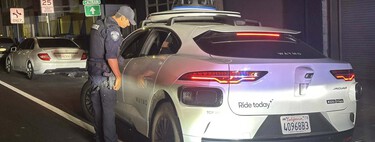
The recent death of Kit Kat, a cherished stray cat in San Francisco’s Mission District, has ignited a passionate outcry against Waymo, the self-driving taxi company responsible for the accident. This incident, occurring on October 27, serves not only as a tragedy for animal lovers but as a significant case study in our societal perceptions of technology versus human behavior.
A Double Standard in Reporting
Statistically, human drivers claimed 43 lives in San Francisco last year, including 24 pedestrians. According to the New York Times, local authorities suggest that hundreds of animals fall victim to vehicles annually in the city. Despite these figures, the death of Kit Kat has garnered a level of media attention and public debate unparalleled by prior incidents involving human drivers or other animals.
Public Reaction and Memorials
The emotional impact was palpable. Margarita Lara, a waitress near Randa’s Market, expressed her fear of self-driving cars, saying, “Waymo? No way. I’m terrified of those things.” A makeshift memorial for Kit Kat, adorned with flowers and photographs, emerged outside the market, with signs urging, “Save a cat. Don’t use Waymo!” This chaos underscores the deep emotional connection people have with animals and the visceral reaction elicited by technology failures.
Political Ramifications
City Supervisor Jackie Fielder proposed a voting measure allowing local residents to determine the future of autonomous vehicles in their neighborhood. She argues that while human drivers can be held responsible and express remorse, machines operate outside this framework, creating a sense of detachment from accountability.
Waymo’s Position and Statistics
Waymo has acknowledged the incident, clarifying that Kit Kat “jumped under the vehicle as it started” and extending their condolences. The company cites research asserting that its vehicles have a 91% lower rate of serious accidents compared to human drivers navigating similar urban environments. However, this data hasn’t mitigated public concern.
The Broader Debate on Technological Innovation
This incident raises pertinent questions about our relationship with technology. Each malfunction of an autonomous system tends to attract far more scrutiny than equivalent failures attributed to human drivers. When a human driver causes an accident, it usually remains a localized tragedy; when a robot is involved, it morphs into a broader symbol of technological recklessness.
Statistics on Vehicle Incidents
San Francisco’s Animal Control Agency also reported that in just one week, they processed the bodies of 12 cats hit by conventional vehicles, highlighting the inconsistency in public reaction toward different forms of transit.
The Road Ahead for Autonomous Vehicles
Currently, Waymo operates over 1,000 autonomous vehicles in the San Francisco Bay Area and plans to expand to highways and airports. This once-novel technology now serves as a tourist draw and is increasingly embraced by local residents. A recent survey indicated that support for Waymo surged from 44% in September 2023 to 67% in July 2025, suggesting that while tragedies like Kit Kat’s spark outrage, they don’t necessarily deter broader enthusiasm for autonomous driving technology.
Conclusion: The Path to Acceptance
As Waymo gears up for its next challenge in Europe, where regulatory frameworks might be more stringent, it remains to be seen how the landscape of robotic transportation will evolve. The intersection of technological advancement and human emotion continues to be a complex and often contradictory space, reminding us that progress comes with both its champions and critics.