
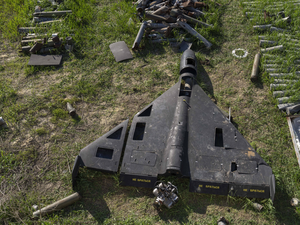
On January 5, Ukrainian forces shot down a Shahed-136 drone, discovering for the first time the carriage of a thermally guided surface-to-air missile identified as an Igla-S. This novel use of a kamikaze drone raises significant concerns regarding the safety of Ukrainian aircraft, particularly at low altitudes.
Igla-S Missile: A New Development in Drone Warfare
As the conflict continues into 2026, new adaptations in warfare tactics are surfacing. According to reports from The War Zone, the wreckage of a downed Russian Shahed-136 drone unveiled a unique modification—an Igla-S MANPADS (Man-Portable Air Defense System) missile mounted beneath the drone. This incident marks a pivotal moment in aerial combat dynamics.
Significance of the Discovery
Discovered in the Chernihiv region, this adaptation is particularly alarming. While prior modifications of the Shahed-136 drone have incorporated different missile types, this is the first instance where a MANPADS system was successfully utilized. The integration of such technology amplifies the threat posed to Ukrainian aircraft, adding a formidable weapon to the Russian arsenal.
Russian forces are mounting Igla MANPADS on Shahed drones to target Ukrainian helicopters that intercept them. The drones carry a camera and radio modem, and the missile is launched remotely by an operator in Russian territory. pic.twitter.com/T5TKPHyhVu
— WarTranslated (@wartranslated) January 4, 2026
The Igla-S Missile: Capabilities and Threat Level
The missile discovered is specifically the Igla-S, known in Russia as 9K388 and designated by NATO as SA-24 Grinch. This portable air defense system is widely recognized, noted for its combat effectiveness and ease of use. The Igla-S has a range of approximately 6 kilometers and weighs around 18 kg, making it a practical option for personnel on the ground.
Operational Characteristics
Typically, the Igla-S is fired from the shoulder, aimed at low-flying aircraft. Although there have been no confirmed accounts of military vehicles being destroyed by Shahed drones equipped with this system, the mere possibility poses a “credible threat” to Ukrainian aircraft, particularly advanced fighter jets like the F-16 or Mirage-2000. As the Russians adapt their drone technology to incorporate MANPADS, it raises a critical concern about the overall operational safety of Ukrainian air missions.
Conclusion: Implications for the Conflict
The integration of Igla-S missiles on Shahed-136 drones presents a worrying evolution in aerial warfare. As Russian forces find innovative ways to leverage existing technology, it compels Ukrainian defense to reassess their strategies and enhance their aerial defense systems to mitigate the growing threats. Given the increasing sophistication and versatility of drone warfare, the stakes in the Ukrainian conflict are higher than ever.