
## Key Highlights from the First Day of Ukraine-Russia Negotiations
Peace negotiations between Ukraine, Russia, and the United States commenced on February 4 in Abu Dhabi amidst heightened tensions. These discussions have been deemed “substantial and productive” by Ukrainian officials, aimed at navigating the complexities of the ongoing conflict that has persisted for four years.
### Productive Dialogue Amid Tensions
Ukrainian chief negotiator Roustem Oumerov expressed optimism regarding the talks, noting that they were “focused on concrete measures and practical solutions.” This initial day of negotiations sets a hopeful tone for alleviating the ongoing strife, despite the undercurrents of tension that characterize these discussions.
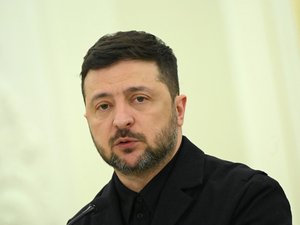
President Volodymyr Zelensky’s recent accusations against Russia for exploiting a U.S.-backed truce to fortify their military capabilities add context to the urgency of these talks. Just before the negotiations, Russia launched an unprecedented number of missile attacks against Ukraine, underscoring the volatile environment.
### Persistent Disagreements on Territorial Issues
One of the most significant challenges faced during the talks is the ongoing disagreement regarding territorial claims. The discussions continue to be skewed by conflicting demands; Russia is insisting that Ukraine relinquish control of certain territories, while Ukraine is adamantly resistant to such proposals. This impasse is compounded by the sensitive issue surrounding the Zaporizhia nuclear power plant, the largest in Europe, which is currently under Russian occupation.
From Moscow’s perspective, the withdrawal of Ukrainian forces from the eastern Donetsk region is non-negotiable. In contrast, Ukraine is advocating for a halt to the conflict along the existing front lines, firmly opposing any unilateral withdrawals.
### The Continual Threat of Attacks
Despite the ongoing negotiations, the situation on the ground remains dire. Heorhii Tikhi, a Ukrainian Foreign Ministry spokesperson, highlighted that military concerns will dominate future discussions, particularly given Russia’s persistent attacks on Ukraine’s critical energy infrastructure. Ukraine aims to gather clarity on Russia’s intentions and its understanding of the conflict’s resolution.
Prime Minister Yulia Sviridenko revealed alarming statistics, stating that Ukraine had endured 217 attacks on its energy infrastructure since the beginning of the year. This formidable threat persisting throughout the negotiation process poses a significant barrier to achieving lasting peace.
### Looking Ahead: What This Means for Peace
With the negotiations still underway, both sides express a mix of cautious optimism and deep skepticism. Kyiv is keen to decipher the true intentions of both Moscow and Washington in light of their complex geopolitical stakes. The outcomes of these talks hold the potential to either pave the way for a comprehensive peace agreement or prolong the conflict further.
As the negotiations continue over the next days, observers will watch closely to see if any tangible agreements can emerge despite the seemingly insurmountable challenges that lie ahead. The interplay between dialogue and ongoing military actions will be critical in shaping the path toward a resolution in this protracted conflict.