
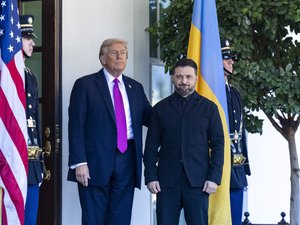
The United States has unveiled a peace plan aimed at resolving the ongoing war in Ukraine, which proposes significant territorial concessions by Kyiv, including the ceding of the Donetsk, Lugansk, and Crimea regions to Russia. The proposal, made public on November 20, also encompasses Ukraine renouncing any future ambitions to join NATO, a key demand from Moscow.
Key Points of the American Peace Plan
Territorial Adjustments
The peace plan entails several critical territorial and military stipulations:
Cession of Territories: Ukraine is required to acknowledge the annexation of Donetsk, Lugansk, and Crimea, effectively recognizing them as Russian territories. The plan also calls for adjustments in the Kherson and Zaporizhia regions based on the existing front lines.
Demilitarization and Military Limitations: The Ukrainian Armed Forces would be limited to 600,000 personnel, with a stipulation that NATO would not station troops in Ukraine. Further, part of Donetsk would become a demilitarized buffer zone under Russian control.
Renouncement of NATO Membership
A significant aspect of the plan mandates Ukraine to enshrine in its Constitution a commitment never to join NATO. This aligns closely with Russian demands and reflects a shift in the regional security dynamics.
Security Guarantees
In return for these concessions, the United States, along with European allies, will offer security guarantees akin to those provided by NATO. This aims to reassure Ukraine in the event of future aggression, although the specifics of these guarantees remain somewhat ambiguous.
Ukraine’s Stance on Peace
Ukrainian President Volodymyr Zelensky has emphasized the need for a “dignified peace.” He is keen to discuss the implications of this plan directly with U.S. leadership, expressing a desire for conditions that respect Ukraine’s sovereignty and the dignity of its people.
The White House has stated that this proposal is still in discussion phases, showing sensitivity to the ongoing struggles of the Ukrainian forces in the face of Russian advances.
Dialogue with Key Stakeholders
Zelensky plans to confer with former President Donald Trump regarding the peace plan. Trump’s administration has portrayed the proposal as mutually beneficial for both Ukraine and Russia, although some voices within Ukraine have raised concerns about perceived concessions to Moscow.
Provisions for Future Cooperation
Potential EU Membership
The peace plan includes provisions that make Ukraine eligible for European Union membership, signaling a potential path forward towards integration with the West. Moreover, a non-aggression agreement involving Russia, Ukraine, and Europe is a cornerstone of this proposal.
Monitoring and Reconstruction Efforts
The implementation of the plan would be overseen by a “peace council,” chaired by Trump. Additionally, a reconstruction framework is included, with hopes of raising $100 billion from frozen Russian assets for rebuilding efforts. Elections in Ukraine are anticipated to be held within 100 days of the plan’s acceptance.
Conclusion
The U.S. peace plan aims for a resolution to the Ukraine conflict by proposing significant changes that align with Russian interests, particularly concerning territory and NATO aspirations. As Ukraine navigates these complex negotiations, the emphasis on achieving a “dignified peace” remains paramount for the government and its people. The outcomes of these discussions will shape not only Ukraine’s future but also the security landscape of Europe at large.