
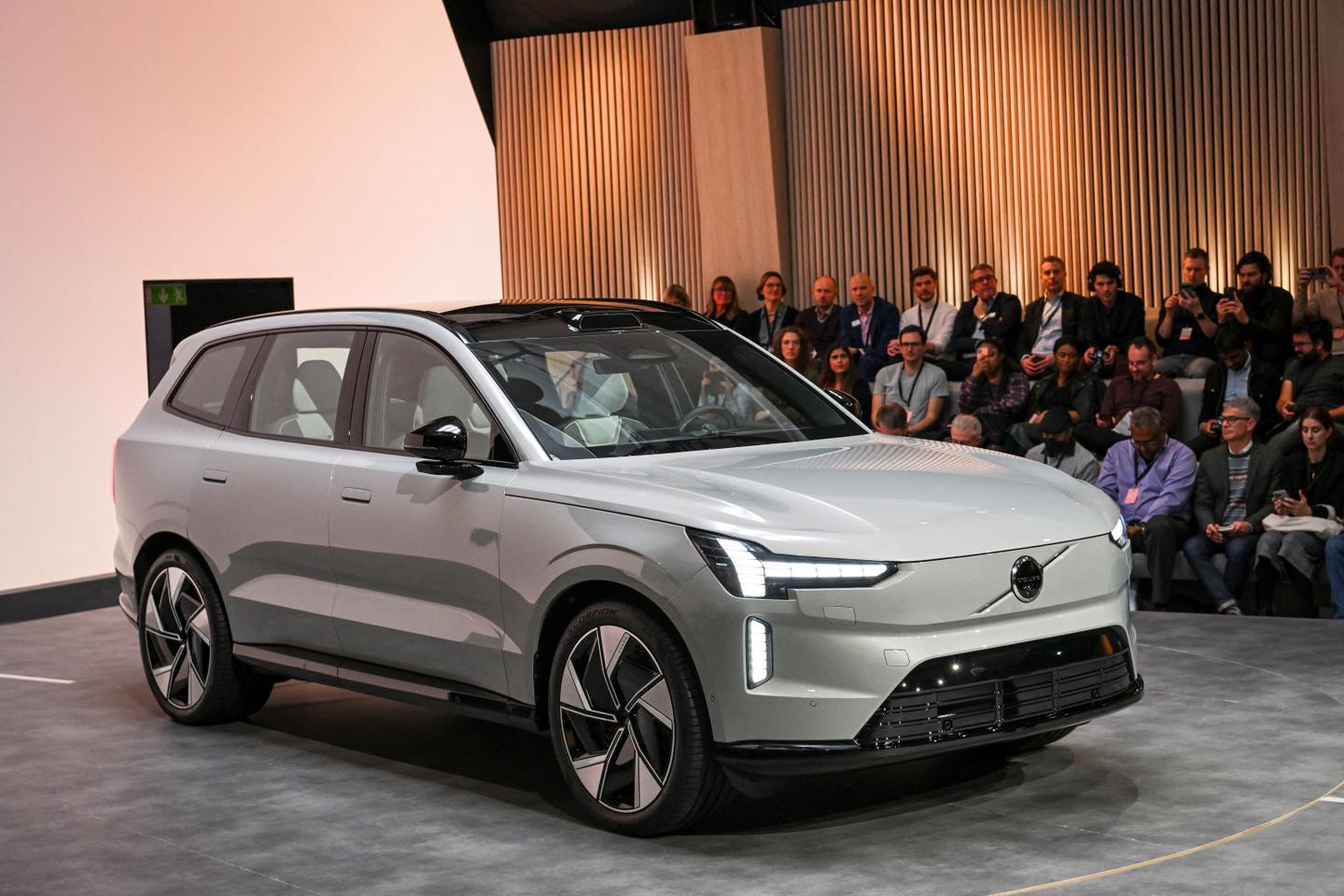
Volvo Cars Announces Significant Job Cuts: A Shift in Strategy
Volvo Cars, one of the leading automotive manufacturers worldwide, announced on May 26, 2025, that it would eliminate 3,000 positions globally, amounting to almost 15% of its office workforce. This decision comes in the wake of difficult market conditions and is expected to have profound effects on the Swedish economy, as Volvo Cars serves as one of the nation’s primary employers.
Background: Volvo’s Acquisition and Recent Performance
Acquired by the Chinese company Geely in 2010, Volvo Cars has had a tumultuous journey over the past decade. Once synonymous with safety and durability, the brand is now attempting to reinvent itself amid intensified competition in the global electric vehicle market. In 2024, the company posted record sales, moving 763,000 vehicles globally, including 175,000 electric cars, a 54% increase in this segment. Despite this apparent success, the early months of 2025 revealed declining sales and profits, sparking the recent layoffs.
Reasons Behind the Job Cuts
Several factors contributed to Volvo’s decision to cut jobs, including the trends affecting the automotive industry. First, there was a significant shift towards electric vehicles (EVs), leading to changes in production lines and technology requirements. The company struggled to keep pace with competitors such as Tesla and Volkswagen, which have been more aggressive in their electric vehicle strategies.
Additionally, the global economic climate has been challenging. Inflation rates have risen, impacting consumer purchasing power. As a result, many potential buyers are hesitant to invest in new vehicles, leading to a fall in vehicle sales. Volvo Cars reported that its operating profit had plunged nearly 60% in the first quarter of 2025 compared to the previous year, while revenue decreased by 12%.
Impact on Employees and the Community
The job cuts will have serious consequences, especially in Sweden, where 1,200 positions are at stake. The layoffs will predominantly affect office staff, which highlights a significant shift in Volvo’s operational strategy. Hakan Samuelsson, who was recently brought back as CEO after a brief interim period, stated that the layoffs are “difficult decisions,” but essential for building a "stronger and more resilient" company.
This move has had a ripple effect on not just the employees but also on the local economy in Gothenburg, where Volvo’s headquarters is located. The loss of jobs will likely affect local businesses and community services, further compounding economic challenges in the region.
The Path Forward: Volvo’s Strategic Focus
Despite the setbacks, Volvo Cars is looking to the future with a strategic focus on innovation and sustainability. The company has pledged to invest significantly in research and development, particularly in electric vehicles and advanced technology. The new strategic plan includes measures aimed at reducing costs and optimizing operations, which will help the company regain its footing in the market.
The upcoming release of new models, particularly in the electric SUV segment, is anticipated to draw interest and potentially revitalize sales. Consumers are increasingly looking for eco-friendly alternatives; thus, Volvo must leverage its reputation for safety as it transitions towards sustainable mobility.
Conclusion
As Volvo Cars navigates this transformative period, the job cuts are a sobering reminder of the challenges faced in the automotive industry. The shift from traditional vehicles to electric solutions is not merely a trend but an essential evolution that companies must embrace moving forward.
The decisions made today will shape the company’s future, influencing everything from production capabilities to brand loyalty. While the layoffs indicate a tough transition phase, they also point towards an aggressive pursuit of sustainability and technology in the ever-evolving landscape of the automotive sector.
