
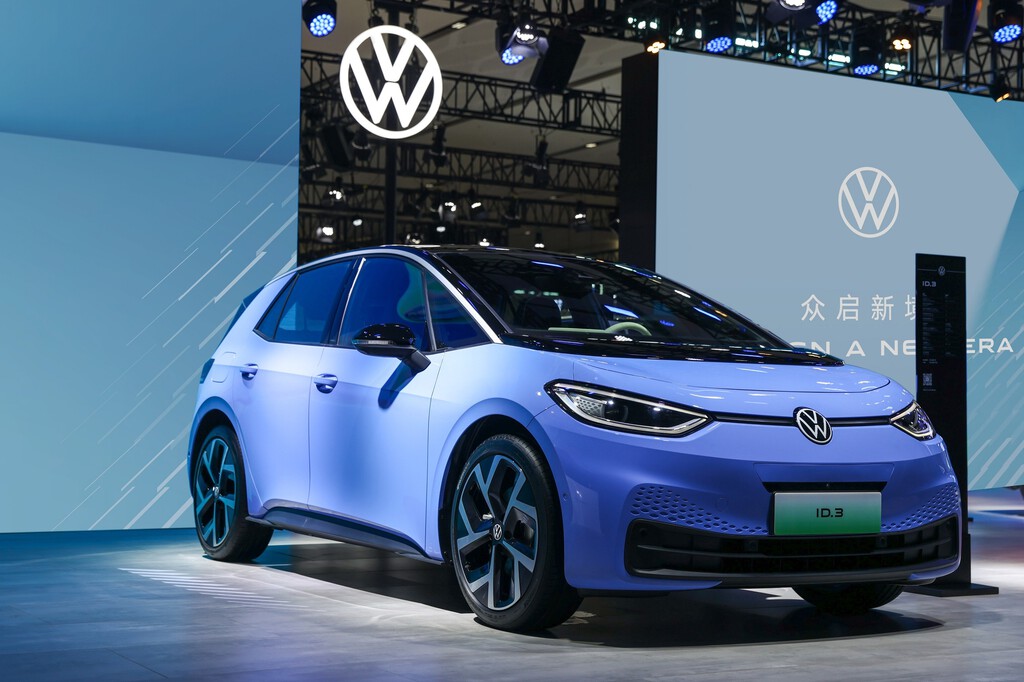
Volkswagen, the German automotive giant, has announced plans to eliminate 50,000 jobs by 2030, a drastic move reflecting its struggles in an increasingly competitive and rapidly changing market. The company closed 2025 with its worst financial performance in nearly a decade, underscoring the pressures it faces from rivals and the shifting landscape towards electric vehicles.
## The Financial Fallout
In 2025, Volkswagen reported a profit of €6.4 billion, which marks a staggering 44% decrease compared to the previous year. This is the lowest profit level the company has seen since the diesel scandal in 2016. While total revenues hovered around €322 billion, the operating profit plummeted to €8.9 billion, resulting in a slim operating margin of just 2.8%.
## Structural Problems and Market Pressures
Volkswagen’s decline cannot solely be attributed to external factors. The company has been dealing with long-standing structural issues amplified by recent crises. Challenges include slow and costly internal software systems, declining market dominance in China—now facing stiff competition—and tariffs from previous U.S. administrations that have hampered sales in North America. Additionally, Europe’s car market has contracted, with approximately two million fewer vehicles sold annually compared to pre-pandemic levels.
## Job Cuts and Restructuring Plans
Oliver Blume, the CEO of the Volkswagen Group, disclosed in his annual shareholder letter that the company plans significant job cuts primarily in Germany. This includes an additional 15,000 positions on top of the 35,000 already agreed upon with unions in late 2024 under the restructuring pact known as “Zukunft Volkswagen,” or “The Future of Volkswagen.” While this pact promised employment stability until the decade’s end, it also involved salary freezes and cuts in production capacity.
The adjustments aim to save Volkswagen up to €15 billion annually by 2030, as the company grapples with the implications of transitioning to electric vehicles. Affected brands include Audi, Porsche, and the software subsidiary CARIAD.
## Challenges in the Chinese Market
Once the leading automotive brand in China, Volkswagen has recently lost ground, dropping to third place in 2025 behind BYD and Geely. Sales declined by 8%, with electric vehicle sales dropping a staggering 44%. In response, Volkswagen is collaborating with XPeng to develop a specific electric architecture tailored for the Chinese market, which they hope to produce swiftly.
## The Software Dilemma
CARIAD, Volkswagen’s ambitious internal software division, became a costly burden, consuming around €12 billion without delivering the anticipated results. The company is now pivoting to manage external partnerships, particularly with Rivian, aiming to leverage their technology for upcoming models like the VW ID.1, expected in 2027.
## What’s Next for Volkswagen?
As Volkswagen looks to the future, the company must focus on stringent cost reductions to stabilize its financial situation. CFO Arno Antlitz emphasized that rigorous cost management will be essential in the coming months. They are also contemplating a 20% cut in costs across all brands by the end of 2028 to regain competitiveness.
Despite the current turmoil, there are signs of improvement, with the fourth quarter of 2025 showing better performance than previous periods. Looking ahead, Volkswagen aims for an operating margin of 4% to 5.5% by 2026.
In the evolving automotive landscape, the road forward for Volkswagen will be challenging but essential for reclaiming its position as a global leader in the industry.
General News – 2