
Vitamin D: Deficiency or Excess – Understanding the Controversy
As we approach the end of autumn, experts remind us that levels of 25 hydroxyvitamin D (the primary indicator of vitamin D status) are typically at their highest during this season. While this timeframe might seem ideal for checking vitamin D levels, health professionals emphasize that testing is usually reserved for those at risk of deficiency. So, why has there been a surge in the popularity of self-testing and supplementation?
Overestimated Concerns About Vitamin D
Dr. María Cortés Berdonces, an endocrinologist, asserts that the widespread worries about vitamin D levels among the healthy population are largely exaggerated. These sentiments are echoed by Dr. Miguel Ángel Acosta, a family doctor, who notes the unnecessary alarm surrounding the issue. In the ongoing debate about vitamin D, there are clear areas where agreement exists: while vitamin D is crucial for health, its perceived necessity for everyone may be overstated.
The Importance of Vitamin D
Vitamin D plays a vital role in our overall health, influencing various physiological processes. Initially recognized for its role in preventing rickets, research has expanded our understanding of its benefits across numerous health issues, including cardiovascular diseases, certain cancers, and diabetes. However, no randomized clinical trials have definitively proven these benefits in a healthy population. Such findings cast doubt on the urgency to monitor vitamin D levels universally, particularly when no pressing symptoms of deficiency are present.
Is There Really a Deficit?
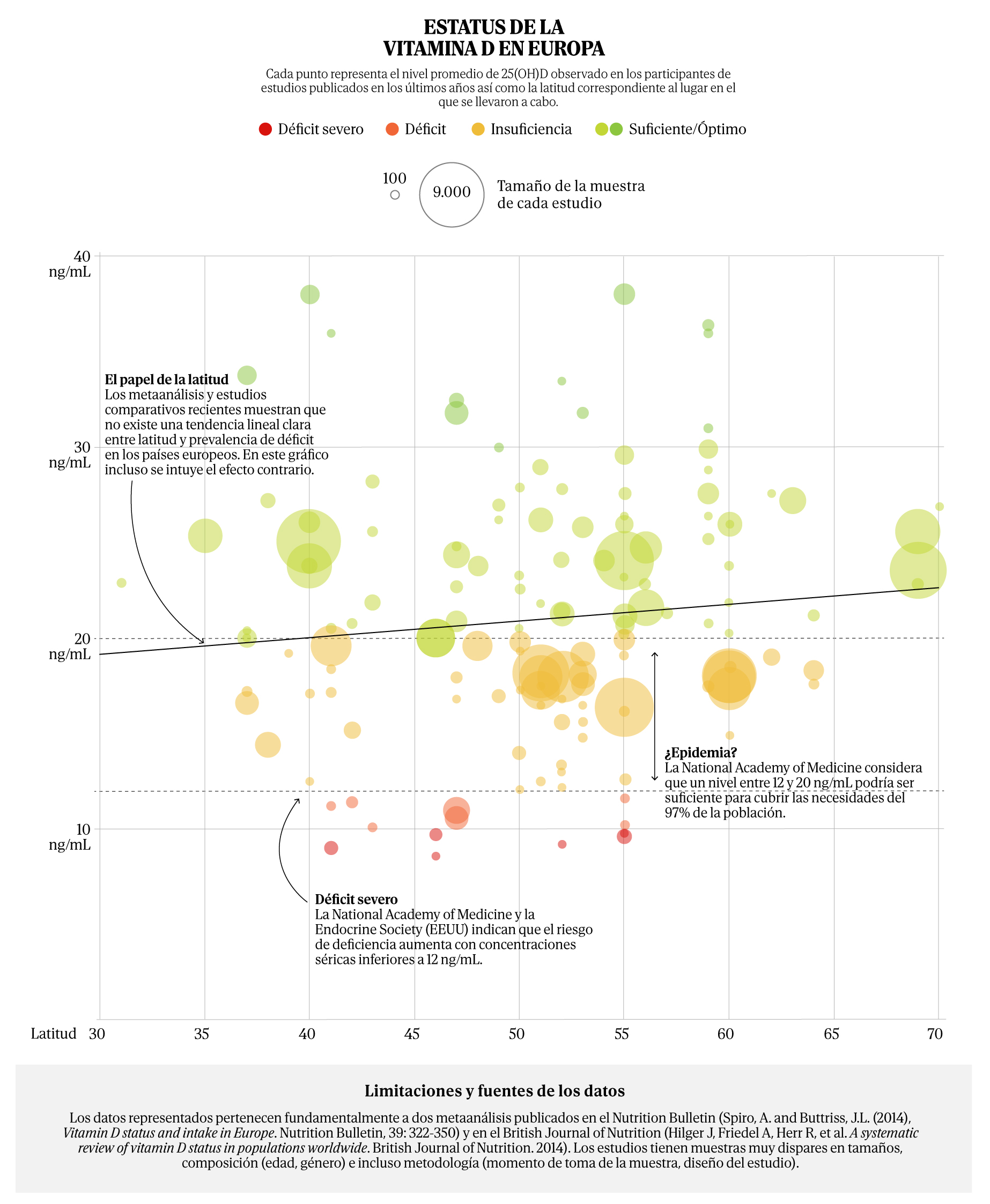
The question of whether vitamin D deficiency exists on a wide scale is contentious. Dr. José Manuel Quesada Gómez highlights a troubling statistic: 88% of the global population reportedly has less than 30 ng/mL of vitamin D. Yet, concerns arise given the lack of consensus on what constitutes adequate or deficient levels. The “epidemic” perception of vitamin D deficiency is influenced by differing diagnostic thresholds and unfounded supplement usage.
Confusion Over Vitamin D Thresholds
Different experts advocate for varying cutoff points regarding vitamin D deficiency, contributing to a diagnostic quandary. Recent guidelines issued by the Endocrine Society have even advised against defining insufficiency due to a lack of substantial clinical evidence linking specific vitamin D levels with health benefits in generally healthy adults. This ambiguity can lead to overdiagnosis and unnecessary supplementation.
Vitamin D Synthesis and the Role of Sunlight
Interestingly, vitamin D is not just a vitamin; it’s synthesized in the skin through sunlight exposure. Even just 10-12 minutes of sunlight on the face and arms multiple times a week may suffice for most people. Surprisingly, data shows that Nordic countries often have higher vitamin D levels than Mediterranean nations, which underscores the importance of lifestyle choices over geographical location.
The Impact of Sunscreen
While concerns exist about sunscreen diminishing vitamin D synthesis, studies suggest daily sunscreen application does not significantly hamper vitamin D production. In fact, adequate outdoor exposure, combined with proper sunscreen use, can maintain healthy levels. In instances of deficiency, supplementation becomes necessary rather than limiting sun exposure.
Dietary Sources of Vitamin D
Although about 80% of vitamin D comes from sunlight, dietary intake makes up the remaining 20%. Foods rich in vitamin D, such as fatty fish, egg yolks, and fortified dairy products, play an essential part in nutrition. Unfortunately, many regions, including Spain, lack adequate fortified food options compared to Nordic countries, which have effectively reduced deficiency rates through mandatory fortification policies.
The Need for Policy Considerations
Implementing similar fortification policies may offer solutions to vitamin D deficiency, but it remains unclear due to limited evidence supporting broad benefits in healthy individuals. Experts advocate for improved dietary habits, like adopting a Mediterranean diet rich in vitamin D, as a more sensible approach.
Conclusion: A Balanced Approach
The issue of vitamin D—from deficiency to excess—calls for a nuanced view. While some individuals indeed face genuine risks of deficiency, others are unnecessarily anxious about their vitamin D status. Practicing moderation and seeking medical advice regarding supplementation could address this public health issue without falling prey to alarmism. Balancing sun exposure, proper dietary intake, and evidence-based health practices will empower individuals to maintain healthier vitamin D levels effectively.