
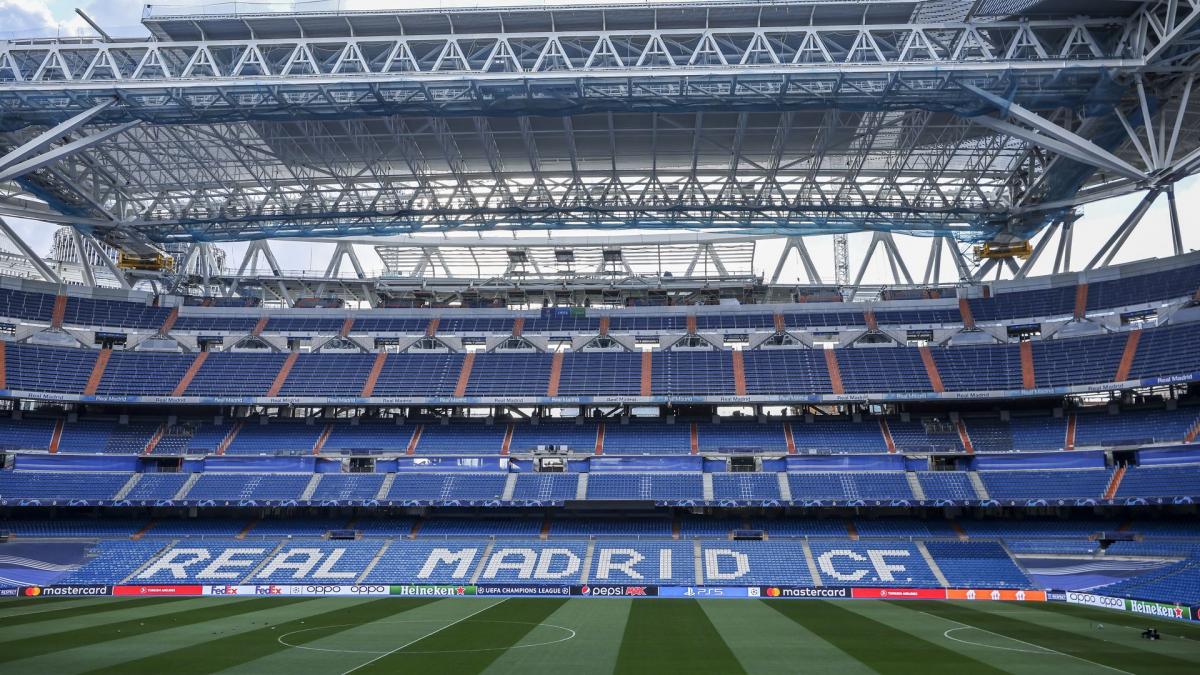
Real Madrid’s Economic Surge: The Role of Santiago Bernabéu
Real Madrid continues its spectacular economic rise. For the 2025-2026 season, the Madrid club plans a record budget of 1.248 billion euros in revenue, exceeding the 1.185 billion of the previous year. This impressive growth primarily stems from the transformation of the iconic Santiago Bernabéu Stadium.
Bernabéu: A Hub of Entertainment
The Santiago Bernabéu has evolved into a multifaceted entertainment center for visitors. With features like the Sky Bar and the Bernabéu Market, the stadium offers a diverse range of experiences. Special events—including a much-anticipated NFL game on November 16 and a Christmas theme park—have further enhanced its appeal, generating more revenue than renowned attractions, even surpassing the Prado Museum.
According to a report by A.S., the “Bernabéu Tour” amassed 52.6 million euros last season. In contrast, the world-famous Prado Museum generated only 27 million euros in the same period. This staggering revenue from the stadium indicates a profound cultural shift in how fans and tourists engage with the club.
Diversification of Revenue Streams
The economic growth of Real Madrid isn’t limited to matchday income or stadium tours. The specific sporting revenues include earnings from prestigious tournaments like the Club World Cup and various European competitions. For the 2024-2025 fiscal year, the club reported a profit of 24 million euros, reflecting its strong financial foundation.
The club’s marketing budget has also risen considerably, now standing at 539 million euros. This figure illustrates Real Madrid’s intent to capitalize on its global brand, further solidifying its position as a financial giant in the sports world.
A Cultural and Economic Engine
The transformation of the Bernabéu into a cultural welfare engine adds a significant layer to its role. As more visitors flock to the stadium for varied experiences, the economic benefits ripple through the local community and enhance Madrid’s global appeal. Real Madrid is not just focusing on sporting excellence; it has seamlessly woven economic sustainability into its operational fabric.
Conclusion
The strategic changes at the Santiago Bernabéu are fundamentally reshaping Real Madrid’s economic landscape, solidifying its status as a powerhouse in both sports and business. By evolving the stadium into a diverse entertainment hub, the club not only boosts its profit margins but also enhances its cultural significance, proving that a visit to the Bernabéu can indeed bring real wealth to Real Madrid. As the club prepares for an exhilarating future, its impact will likely resonate far beyond the football pitch.