
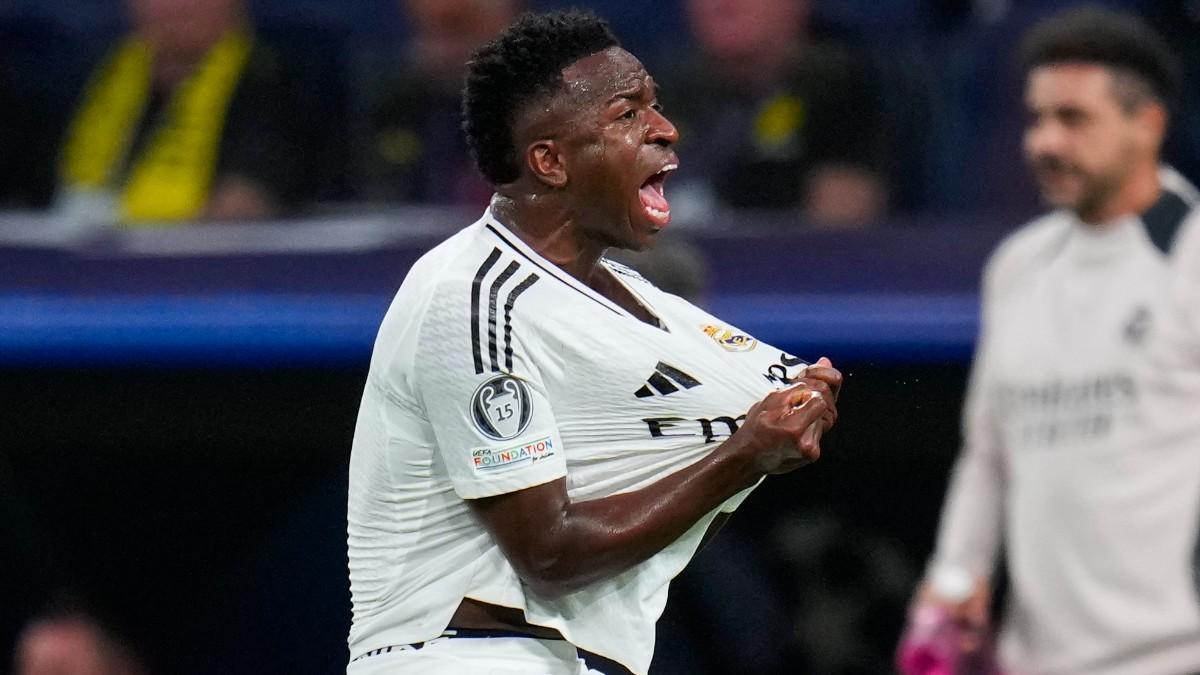
Vinicius Jr. and Real Madrid’s New Contract Agreement
Real Madrid’s star forward, Vinicius Jr., has reportedly reached a contract extension agreement with the club, which will see him extend his stay from 2027 to 2030. This decision comes with a significant salary increase, reportedly surpassing the club’s salary cap of 15 million euros net per year. This extension not only solidifies Vinicius’s position within the squad but also emphasizes Real Madrid’s commitment to retaining top talent amid a competitive football landscape.
Salary Expectations and Comparisons
While the exact figures remain unconfirmed, it has been indicated that Vinicius’s new salary will exceed 20 million euros annually, positioning him among the highest earners within the squad. Despite Vinicius’s initial demand of 30 million euros, the final agreement still represents a substantial financial leap for the player. This pay adjustment aligns him closely with Paris Saint-Germain’s sensation Kylian Mbappé, suggesting a new financial benchmark within Real Madrid’s roster.
The Importance of Timely Renewal
Real Madrid faced a pressing need to expedite the renewal process ahead of the 2026 summer transfer window, where the club would have found it challenging to negotiate with only one year left on Vinicius’s contract. By resolving this matter now, the club ensures that Vinicius remains an integral part of the team for an additional five seasons. The proactive approach to contract management demonstrates the club’s intent to avoid potential complications in the future and maintain a strong squad.
No Formal Offers Yet
Despite the negotiations and rumors surrounding his contract, Real Madrid officials have confirmed that no formal offers for Vinicius have been received. While inquiries about his situation have come in, the response has always been the same: the release clause set at an astronomical one billion euros. This clause significantly deters potential buyers but also highlights the club’s strategic position concerning player retention.
The Risk of Breaking the Salary Cap
However, Vinicius’s significant salary increase poses a dilemma for Real Madrid. Breaking their existing salary cap may prompt other high-profile players to seek similar terms. As Real Madrid begins to shape its future squad, there’s an obvious risk that key players will demand competitive compensation that matches Vinicius’s new deal. This situation necessitates a careful examination of the club’s overall financial strategy moving forward.
Implications for Future Signings
With an evolving wage structure, newly signed prospects may also follow suit, as players showcasing remarkable talent could expect contracts similar in scale to Vinicius’s. For instance, Jude Bellingham, who turns 22 on June 29 and currently has a contract effective until 2029, might aspire to equal Vinicius in terms of earnings if he continues to excel. Having been acquired for 116 million euros, his salary mirrors that of Vinicius and implies that the club may face mounting pressure to accommodate player expectations.
Concerns About Other Key Players
Real Madrid’s financial strategy could factor in influential players such as Federico Valverde. Valverde, turning 27 in July, has become an essential player yet remains in a lower salary bracket compared to Vinicius. If Vinicius continues to climb the ranks, Valverde might challenge his current remuneration, questioning the club’s salary distribution among its most crucial players.
A ripple effect may arise, especially if new stars emerge or if existing ones elevate their performances. Achieving success on the pitch often translates to enhanced financial demands off it. If players like Valverde or even younger talents begin to believe that they merit more significant compensation based on their contributions, maintaining harmony within the squad becomes increasingly complex.
The Broader Financial Landscape
As Real Madrid navigates these challenges, the recent contract negotiations underscore a broader shift in the footballing world, where pay disparities not only reflect talent but also marketability and overall club strategy. Adapting to the realities of modern football—where finances heavily dictate success—requires clubs to practice foresight and caution.
The negotiations surrounding Vinicius have highlighted significant issues pertaining to salary structures, contract renewals, and the overall financial landscape of top-tier football clubs. As the cycle continues, the impact of these decisions will resonate throughout not just Real Madrid but the entire footballing community.
In conclusion, Real Madrid’s ability to balance the demands of its players with its structural limitations will be paramount in this evolving football economy, ensuring that they remain competitive at both domestic and European levels.