
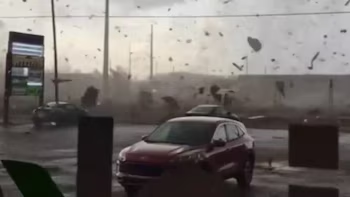
Understanding the Three Levels of Tornado Warnings in the United States
Tornadoes are fierce natural phenomena that can develop rapidly, posing a serious threat to life and property. In the United States, the National Weather Service (NWS) provides a structured warning system consisting of three levels: Tornado Watch, Tornado Warning, and Tornado Emergency. Understanding these alerts is crucial for ensuring public safety.
Tornado Watch: Stay Prepared
What Is It?
A Tornado Watch is issued when atmospheric conditions are favorable for the formation of tornadoes. It covers large areas, often several counties or states.
Recommended Actions
- Stay Informed: Keep an eye on weather updates and alerts.
- Review Safety Plans: Check your emergency kit, review evacuation routes, and communicate your plans with family.
- Be Ready: Conditions can change rapidly. Familiarize yourself with the best shelter options in your vicinity.
Tornado Warning: Act Immediately
What Is It?
A Tornado Warning indicates that a tornado has been sighted or indicated by radar. This warning is more urgent than a watch and usually focuses on a specific area.
Recommended Actions
- Seek Shelter Immediately: Go to a sturdy building, preferably on the ground floor and away from windows.
- Stay Safe: If you’re outdoors or in a vehicle, avoid seeking shelter under bridges or overpasses. Find a nearby sturdy structure for protection.
- Protect Yourself: Once sheltered, cover your head to guard against flying debris.
Tornado Emergency: Seek Shelter Immediately
What Is It?
A Tornado Emergency is the highest level of alert and is issued when a violent tornado has been confirmed on the ground, causing significant damage.
Recommended Actions
- Immediate Shelter: Seek the safest shelter possible without attempting to flee in a car.
- Communicate: Notify friends and family about your safety and warn those in the affected area.
- Stay Informed: Use official channels, like NWS, for real-time updates.
The Warning Process
The issuance of tornado warnings starts with the Storm Prediction Center, which monitors atmospheric conditions continuously. When the potential for tornado formation increases, a Tornado Watch is issued. If radar or ground reports confirm a tornado’s presence, a Tornado Warning is released targeting affected geographic areas. Tornado Emergencies mobilize the community and emergency services to respond effectively to ongoing threats.
Why Understanding the Alerts Is Vital
Every alert level entails specific actions and responses. The NWS aims to maximize reaction time to minimize casualties. When alerts are issued, acting swiftly and decisively is crucial.
- Stay Calm: In any alert situation, maintaining composure helps in making informed decisions.
- Prepare an Emergency Kit: Have supplies ready, including water and non-perishable food.
- Ensure Communication: Keep phones charged to receive further alerts and updates.
Conclusion
With the potential for tornadoes to cause catastrophic damage, understanding the levels of alerts is essential for public safety. Recent tornado events have reaffirmed the need for timely communication and proper preparation to safeguard lives. Always heed the warnings and act according to the guidelines provided by the NWS. Staying informed and ready can make a significant difference during a tornado emergency.