
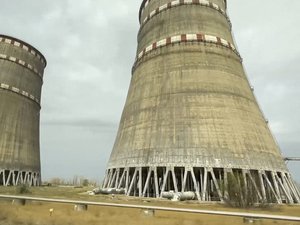
Located in eastern Ukraine, the Zaporizhia nuclear power plant has become a focal point in the ongoing conflict between Ukraine and Russia . Since the invasion, this facility has been a symbol of the heightened tensions in the region. Recently, after enduring a record one-month power outage , the plant has seen its power restored, a development confirmed by the International Atomic Energy Agency (IAEA) on Thursday, October 23.
The restoration of power to the Zaporizhia nuclear power plant is a vital step in addressing concerns regarding nuclear safety in a war zone. The plant, which is currently under the control of Russian forces, had faced severe safety risks due to the lack of electricity for cooling systems, crucial for maintaining the safety of the plant’s reactors.
The IAEA noted that the resumption of power occurred after the successful repair of a power line located outside the facility, facilitated by a temporary local ceasefire . This highlights the intricate relationship between military actions and vital safety measures in such high-stakes environments. In its statement, the IAEA emphasized that ensuring power supply to the nuclear facility is “a crucial step for nuclear safety and security,” reflecting the precarious nature of nuclear operations amidst military engagements.
Significance of the Zaporizhia Nuclear Power Plant
The Zaporizhia nuclear power plant is one of the largest facilities of its kind in Europe, housing six reactors and capable of providing a substantial portion of Ukraine’s electricity needs. Before the conflict, it was a key contributor to the national grid. However, the ongoing war has disrupted operations and raised alarms about the safety of the facility, bare in mind that nuclear power plants require a stable power supply to maintain operational safety and prevent potential disasters.
The security situation at the Zaporizhia plant has become increasingly concerning as military activities in the region continue to pose a threat to its operational stability. Experts worry about the potential consequences of a nuclear incident , which could have catastrophic effects not just for Ukraine, but for neighboring countries as well. The threat of an accident is amplified by the ongoing conflict and disrupted supply chains that could limit access to necessary materials for maintenance.

With the restoration of power, there is hope that the plant can gradually be brought back to its previous operational status, but the situation remains volatile . The IAEA has been actively engaged in monitoring the facility and has called for the establishment of a safety zone around the plant to ensure its protection from military strikes.
The Role of the IAEA
Since the outset of the conflict, the International Atomic Energy Agency has played a critical role in advocating for safety measures at the Zaporizhia nuclear power plant. The agency has repeatedly expressed concerns about the risks posed by military confrontations so close to such a sensitive facility. The restoration of power is a positive development, but the IAEA has stressed that comprehensive measures must be in place to secure the site permanently.
IAEA Director-General Rafael Grossi has been influential in raising awareness about the potential dangers associated with the conflict. He emphasizes the need for a coordinated international response to safeguard nuclear sites amid warfare, reinforcing the importance of diplomacy in addition to military strategy. The organization continues to monitor the situation closely, and Grossi has advocated for urgent talks to establish a buffer zone around the plant.
International Reactions
The international community has responded with cautious optimism to the news of the power restoration at the Zaporizhia nuclear power plant . Nations worldwide are closely watching the unfolding situations in Ukraine, and many have called for renewed dialogues aimed at stabilizing the region. Countries adjacent to Ukraine express particular concern over potential nuclear fallout, resulting in heightened diplomatic efforts to engage both Ukrainian and Russian leaders in the discourse about nuclear safety.
As the conflict continues, the global implications of the situation at the nuclear power plant cannot be ignored. In addition to humanitarian crises, there is the impending threat of a nuclear disaster, which transcends borders and could affect everyone in the region. The international nuclear community, NGOs, and security analysts are all working to ensure that lessons are learned and preventive measures are taken to avert a potential catastrophe.
In summary, the restoration of power to the Zaporizhia nuclear power plant is a significant milestone amidst ongoing conflict and uncertainty. While this is a positive development for nuclear safety, it underscores the crucial need for continued monitoring, international cooperation, and proactive measures to secure the facility. As the world watches, the hope remains that stability can be achieved in a region that has faced unprecedented challenges in recent times.