
## PSG’s Intercontinental Cup Triumph: A Controversial Victory
### A Bitter Reception in Ukraine
Paris Saint-Germain (PSG) clinched the Intercontinental Cup after a tense encounter with Flamengo, ending the match 1-1 and triumphing 4-1 in penalties. However, this accomplishment was met with skepticism and disdain across Europe, particularly in Ukraine. The media outlet Sport.ua provided a harsh critique of PSG’s triumph, labeling the event a “bitter-tasting trophy.” This sentiment stems from the ongoing war in Ukraine, which has cast a shadow over such sporting achievements.
### Criticism of FIFA’s Motives
In its acerbic commentary, Sport.ua scrutinized FIFA and its president, Gianni Infantino, accusing them of diluting the prestige of football by introducing an excess of competitions. The article argued that the effort to generate interest in global football has led to a series of superficial tournaments. “FIFA is trying to save world football by constantly inventing new excuses to bring teams from different continents together,” the article noted, emphasizing that the Intercontinental Cup feels like a recycled concept rather than an innovative one.
### Geopolitical Context Plays a Role
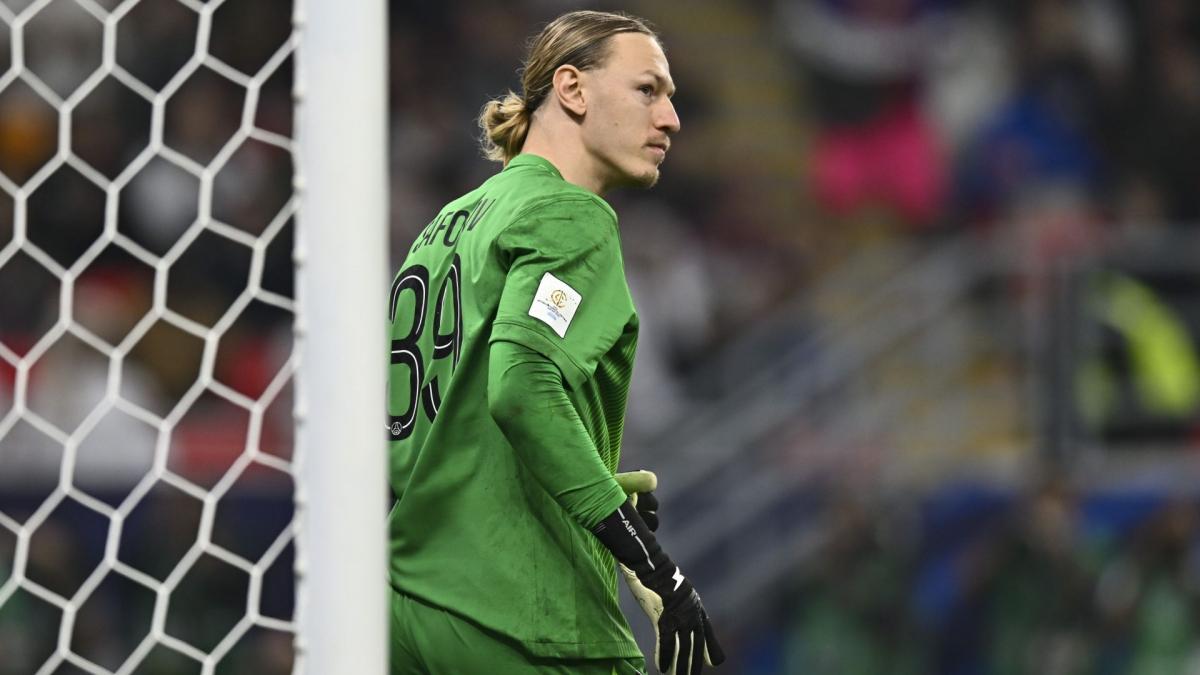
The Ukrainian analysis also underscored the geopolitical backdrop of the match, which took place in Qatar. The performance of Russian goalkeeper Matvey Safonov was especially noteworthy, yet the media opted to refer to him indirectly, reflecting the sensitive political climate. Sport.ua lamented that PSG felt “at home in Al-Rayyan” due to its Qatari ownership, a statement that resonates deeply amidst ongoing international conflicts.
### The Role of Ukrainian Talent
Adding another layer of complexity, Ukrainian defender Illia Zabarnyi, part of the PSG squad, remained on the bench throughout the final. The media was keen to point out that PSG relied heavily on their goalkeeper’s skills, neglecting to mention Safonov by name during their analysis. Such omissions highlight the complex interplay of talent, patriotism, and national sentiment in sports, especially when a nation is facing an existential crisis.
### A Chaotic Final and Its Implications
The match itself was described as chaotic, with PSG edging out Flamengo largely due to their goalkeeper’s prowess. While this victory adds another title to PSG’s already impressive resume, the analysis from Ukraine serves as a reminder of how sport cannot be divorced from its broader socio-political context. The criticism from Sport.ua reflects ongoing tensions that affect perceptions of sporting success, call into question the legitimacy of FIFA’s initiatives, and challenge the narratives created around international tournaments.
### Conclusion: The Intersection of Sport and Politics
PSG’s victory is emblematic of the complex relationship between sport and politics, especially in a world where global conflicts shape narratives. The critical perspective from Ukrainian media underscores the importance of recognizing these intersections, reminding fans that behind every trophy lies a backdrop of deeper societal issues that are often overlooked. As FIFA continues to innovate its offerings, the concerns raised in Ukraine may serve as a crucial counterpoint to the narrative of unbridled sporting glory.