
Ukraine-Russia Peace Talks: A Short-Lived Hope

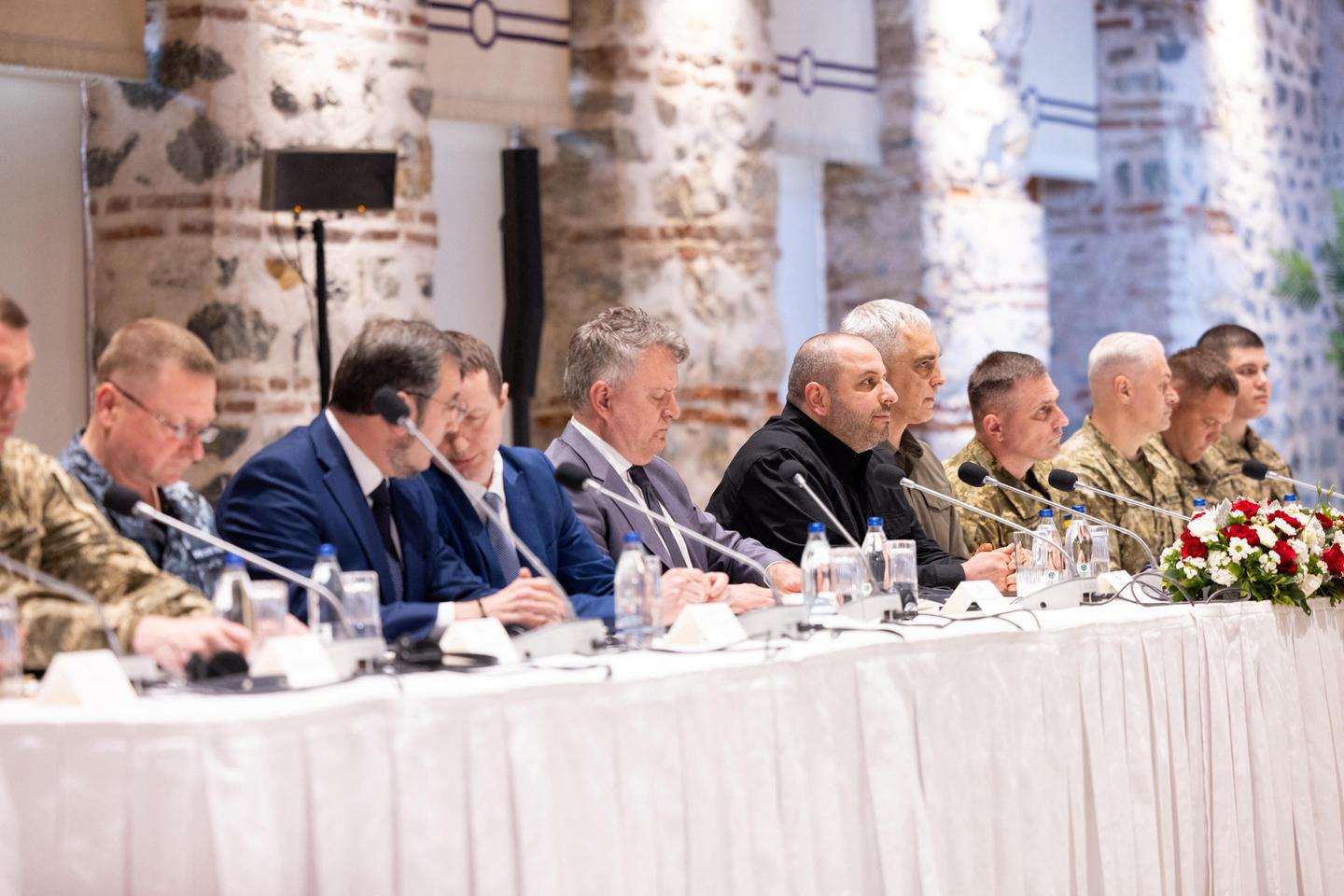
On May 16, 2025, a significant meeting between Ukrainian and Russian officials unfolded within the **Palace of Dolmabahçe** in Istanbul. This gathering marked the first direct talks between the two nations since the onset of the ongoing conflict that has persisted for over three years. However, expectations for progress were swiftly dashed, as discussions lasted a mere two hours.
The backdrop to this meeting was a flurry of **diplomatic activity** driven primarily by European and American leaders. Despite intense efforts, the anticipated outcomes—a ceasefire and a definitive peace agreement—seemed increasingly elusive. The stark differences between Ukraine and Russia appear to have created **insurmountable barriers** to any potential resolution. Even with Turkey’s involvement as a neutral mediator, the likelihood of real negotiations beginning anytime soon seems bleak.
Failed Meetings and Continued Tensions
In the days leading up to this meeting, Russian President **Vladimir Putin** declined to attend supposedly crucial talks in Istanbul with his Ukrainian counterpart, **Volodymyr Zelensky**. This decision came despite overtures from **Donald Trump** and key European leaders urging both parties to engage in dialogue. After the cancellation of this high-stakes meeting, American and Turkish diplomats invested considerable time mediating between the two delegations, merely to persuade them to **come to the negotiating table**.
The State of the Conflict
The ongoing conflict has led to disastrous humanitarian conditions, with tens of thousands of lives lost and millions displaced. Both nations remain entrenched in their positions, with Russia’s aggressive military tactics clashing with Ukraine’s fierce defense of sovereignty. As **international scrutiny** intensifies, the lack of progress in diplomacy raises critical questions about the future of both nations and the broader regional stability.
The Role of Turkey
Turkey has played a pivotal role in attempting to mediate this conflict. Leveraging its unique position as a country with ties to both sides, it seeks to act as a bridge for dialogue. However, the latest round of talks has raised concerns that Turkish mediation efforts may be running into **serious obstacles**. The gap between the two delegations suggests that any forthcoming **negotiations** will require a fundamental shift in approach and possibly a re-evaluation of strategies employed by international actors involved in the peace process.
International Reactions
The lack of tangible outcomes from the Istanbul meeting has drawn **criticism** from various quarters. Analysts and political commentators are expressing skepticism over whether future negotiations will bear fruit, given the entrenched positions of both Ukraine and Russia. Many are calling for heightened **international pressure** to reach an accord that prioritizes peace over continued hostility.
Moving Forward
As the situation continues to unfold, the world watches with bated breath. The need for effective diplomacy is more critical than ever. Each side must recognize that sustainable peace cannot be achieved through military means alone. It is imperative for both parties to explore avenues for meaningful dialogue, rooted in mutual respect and recognition of each other’s sovereignty.
This content is designed to be engaging, informative, and SEO-friendly, using strong keywords and structured headings for better readability and search engine performance.