
The Tactical Evolution: Decoy Drones in the Russia-Ukraine War
The phrase by the Ukrainian high command, referring to the ongoing conflict as a literal “cat and mouse hunt,” encapsulates the asymmetric nature of warfare between Russia and Ukraine . Since the Russian invasion in 2022, both nations have adapted their military strategies, primarily employing drones as a pivotal element in their arsenals. The shift in warfare tactics has led to a reliance on decoy systems that exploit this asymmetry, prompting an urgent need for both sides to innovate continuously.
Decoys in Modern Warfare
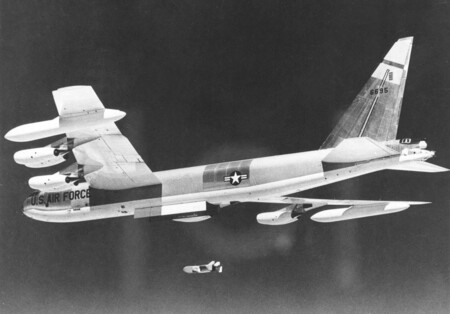
The historical precedent for using decoys is not new; military tactics throughout history have relied on mimicry and deception. From World War II’s nuanced strategies to modern aerial warfare, examples abound, notably the ADM-20 Quail , which illustrated how mimicry could transform vulnerabilities into strategic advantages. The Quail, a small drone mimicking bombers, efficiently consumed defensive resources while being cost-effective.
A B-52 launching a Quail decoy
In the current conflict, both Russia and Ukraine have resurrected these historical tactics, thereby forcing each other’s defenses to expend resources rapidly. Ukraine deploys Lyutyi and FP-1 decoy drones, while Russia utilizes Shahed drones, aiming to saturate and deceive enemy defense layers.
Understanding Decoy Strategy
The mechanics of these decoys center around their ability to saturate defenses , distract, and exhaust an adversary’s interception capabilities. For example, while price points vary—Russian Shaheeds are relatively inexpensive compared to the expensive interceptors they provoke—this cost-benefit analysis shapes tactical decisions on both sides. To fire an expensive missile at a relatively cheap drone becomes a critical strategic consideration.
Russian Decoy Drones: A Varied Arsenal
Russia’s drone warfare has seen the industrialization of Shahed drones along with the development of various decoys like Gerbera and Parodiya . These elements serve multiple purposes: they are not merely for distraction but also used for electronic warfare and scouting enemy radar locations. This multifaceted approach gives Russia a significant edge by allowing them to inflict wear on missile reserves and compromise the defensive integrity of Ukrainian forces.
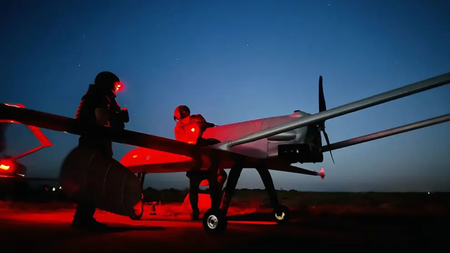
An Lyutyi
The Ukrainian Countermeasure
In response, Ukraine has ingeniously scaled its drone operation by combining costly attack drones like FP-1 with low-cost, improvised decoy drones . These are often handmade, using locally sourced materials to create distraction and reconnaissance devices . This approach enables Ukrainian forces to map secure routes, test defenses, and generate temporary windows for real assaults.
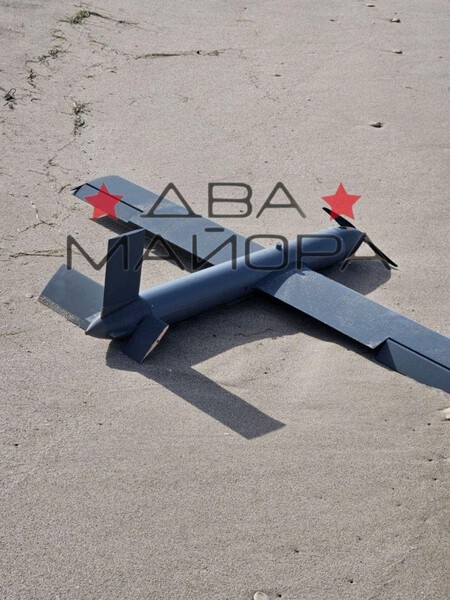
Ukrainian decoy
Economics of Warfare
The economic ramifications of this ongoing conflict have been stark. The cost asymmetry dictates tactical decisions; a single $30,000 Shahed drone can lure a high-value air-to-air missile that might cost upwards of $200,000. Such a discrepancy influences the operational capability of forces on both sides, leading to difficult choices: expend precious resources on potential decoys or conserve them, risking further damage from actual drone strikes.
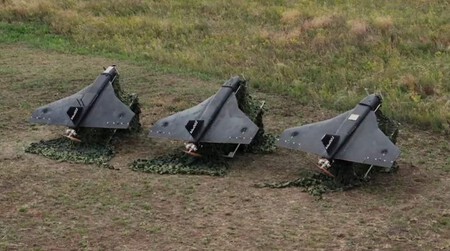
Gerbera Lures
The efficacy of Ukrainian defense systems, while formidable with interceptor drones and artillery, remains finite. The influx of decoy drones with enhanced electronic capabilities signifies a new layer of complexity, as they do not simply divert attention but also map enemy defenses, leading to devastating counter-offensives.
The Future of Warfare Tactics
As the war continues to evolve, it is likely that decoy techniques will become increasingly sophisticated. The integration of active deception capabilities in drone designs will further challenge existing defense mechanisms. Nations will need to pivot towards low-cost alternatives, such as AI-guided interceptors or electronic warfare tactics, to sustain their defensive capabilities adequately.
Decoy drones are proving to be a game changer, not merely for what they destroy but for what they compel opponents to expend. The lessons drawn from historical precedents are now being played out on the contemporary battlefield, potentially reshaping the landscape of modern warfare. For Russia, this proliferation of Ukrainian decoys represents both an operational and symbolic threat , exposing vulnerabilities in a traditionally superior system.