
Uber’s Robotaxis Set to Arrive in Madrid: What We Know
In an announcement that has generated significant buzz, Uber has declared its intention to introduce robotaxis in Madrid before the year’s end. This news has been reported broadly across various media, but as usual, the details remain murky, raising questions about the feasibility and logistics of this ambitious project.
What Did Uber Announce?
Uber’s official announcement, made through a press release on their website, highlights a partnership with WeRide and Avomo. The company stated its collaboration with the government of the Community of Madrid and expressed their goal to launch a pilot service before the year concludes. However, the specifics are sparse. The press release references plans to deploy “hundreds of robotaxis” as performance milestones are achieved, but leaves many essential questions unanswered.
The Lingering Questions
Despite the excitement surrounding the announcement, several crucial details are still unknown:
- Initial Fleet Size: How many robotaxis will be included in the first phase?
- Service Reach: Will the service be available city-wide, or will it be confined to particular neighborhoods?
- Operational Permissions: Have Uber and WeRide obtained the necessary permissions for driverless operations?
- User Access: Will the public be able to request a driverless vehicle at any time?
As of now, attempts by sources like Xataka to get clarity from Uber and WeRide have been met with silence.
The DGT’s Response
The Spanish traffic authority, the DGT, has weighed in on the situation. According to their statements, they have yet to see any formal requests from Uber or its partners to test autonomous vehicles. They emphasized that companies can currently only operate in a “Test Mode,” pending proper authorization—a status that Uber has not attained.
Approved Phases for Autonomous Vehicles
The DGT outlines several phases that test autonomous driving:
- Controlled Phase: Limited to three cars, always with a safety operator present.
- Extensive Phase: Up to ten vehicles with an operator behind the wheel.
- Pre-Deployment Phase: No limit on vehicle numbers; however, a remote supervisor must oversee operations.
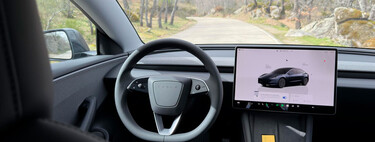
Tesla is currently the only company actively in the “pre-deployment” phase in Spain, testing with 30 vehicles under less restrictive conditions.
Collaboration with Local Government
As stated in Uber’s release, their project will involve collaboration with the Community of Madrid. However, attempts to reach out to this government body have also gone unanswered. The DGT’s approval is essential for conducting tests on public roads, adding another layer of complexity to the endeavor.
The European Context
While the robotic taxi trend is picking up speed in countries like the U.S. and China, Europe remains an uphill battle. Despite Tesla’s ongoing attempts to showcase its Full Self-Driving (FSD) capabilities in challenging urban environments, significant regulatory hurdles remain.
Meanwhile, pilot projects in cities like Zagreb, Croatia, hint at a gradual acceptance of autonomous vehicles, showcasing small-scale commercial services with local technology.
The Future of Robotaxis: Anticipation and Skepticism
The electric vehicle and autonomous taxi sectors have garnered massive investments over the past decade, often falling short of delivery. With billions at stake, robotaxis hold promise, yet they raise ethical, logistical, and safety concerns for potential users.
In urban centers like San Francisco, the arrival of such services is often met with resistance, particularly regarding job displacement and unforeseen complications. Moreover, failures in the system can lead to chaos, as seen in incidents where autonomous vehicles have stalled in busy traffic.
Conclusion
As Madrid prepares for the potential arrival of Uber’s robotaxis, many questions remain unanswered. The collaboration with local authorities and adherence to safety regulations will be paramount. While the European landscape remains cautious, the excitement surrounding this technology persists, leaving many intrigued but also wary of what the future holds.