
The UAE and Saudi Arabia: AI’s New Powerhouses
The United Arab Emirates (UAE) and Saudi Arabia are engaged in a fierce competition, one that stretches beyond traditional metrics of wealth. Initially known for constructing extravagant skyscrapers and ostentatious mega-projects, these nations are now focused on a more strategic battle: establishing themselves as central hubs for artificial intelligence (AI) by enhancing their digital infrastructures.
SilkLink: Saudi Arabia’s Strategic Move
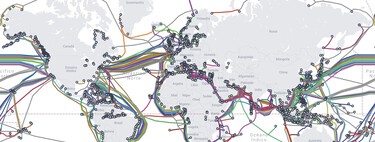
Leading the charge, Saudi Arabia unveiled SilkLink, a monumental 4,500-kilometer fiber optic network adjacent to Syria. Priced at approximately $1 billion, this initiative aims to place Syria on the global data transit map, acting as a conduit between Asia and Europe. The choice of name pays homage to the historic Silk Road, reflecting a desire to dominate data flow akin to China’s vision for global supremacy.
The Vision Behind SilkLink
This network is not merely about speed but about facilitating massive amounts of data transfer. As AI technologies burgeon, the demand for efficient data transmission continues to grow. SilkLink is intended to alleviate the pressure on current infrastructure, ensuring a seamless data experience across borders.
WorldLink: The UAE’s Ambitious Counter
Not one to be outdone, the UAE has launched its own initiative: WorldLink. Costing around $700 million, it will consist of a two-phase fiber cable system connecting the UAE to Iraq. The submarine segment stretches to Al-Faw, followed by a land link to the Iraqi mainland. Funded by private investors, this project expectedly takes around four to five years to complete.
Aiming for AI Leadership
Upon its completion, WorldLink is expected to reinforce the UAE’s ambitions of becoming a leading digital infrastructure hub in the Middle East. Both nations share this vision, culminating in a race to become pillars of AI and advanced digital solutions in the region.
Iraq: An Emerging Corridor
Interestingly, both SilkLink and WorldLink will help alleviate the stress on existing cables while supporting Iraq’s stabilization efforts post-conflict. As a growing data corridor, Iraq is becoming pivotal in this technological race. Recent investments underscore plans to enhance transportation and logistics, exemplified by the Al Faw port project aimed at boosting its capacity in the Persian Gulf.
Investment Opportunities Abound
The benefit of these initiatives extends beyond national ambitions. The projects promise to attract a wide array of international investments, focusing on Over-The-Top (OTT) platforms, hyperscalers, and extensive data centers essential for AI operations.
Future Prospects: A Hub for Data Centers
With ample space and energy resources, the Middle East is primed for the establishment of gigantic data centers. Investment from tech giants like NVIDIA and AMD exemplifies this growing trend. The continuous development of new transmission cables signifies a transformative leap toward becoming a global tech leader.
The Broader Scope: Beyond AI
The ambitions of WorldLink and SilkLink stretch beyond AI; they aim to enhance cloud services, digital economies, and even entertainment sectors. As both countries invest heavily in technology, their focus on connectivity will create new opportunities across various industries.
The Future of Entertainment
Both nations are exploring avenues in the entertainment sector. Recent discussions surrounding major acquisitions, like the $50 billion purchase of Electronic Arts, underline their intent to become significant players in the gaming industry.
Conclusion: A Unified Vision
As Saudi Arabia and the UAE compete in this high-stakes arena, their joint investment in broadband infrastructure showcases a collaborative spirit ultimately beneficial for both. In the quest to lead the digital revolution in the Middle East, these nations reinforce their ambitions while paving the way for a dynamic future in technology.