
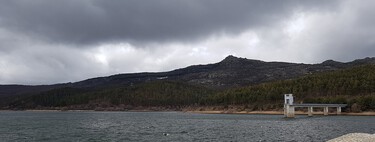
The Water Conflict: Tagus vs. Segura
Recent reports indicate a striking disparity between the water reserves in the Tagus and Segura reservoirs, which may further exacerbate regional tensions in Spain. With the Entrepeñas and Buendía reservoirs holding a staggering 1,649 hm³ of water—an unprecedented level since the transfer began in 1979—it’s a stark contrast to the Segura basin’s meager 52 hm³. This alarming difference highlights the growing concerns in Castilla-La Mancha and Murcia about water distribution and the implications for irrigation and agricultural activities.
The Mechanics of Water Transfer
On March 13, 2026, the Central Transfer Exploitation Commission green-lighted the transfer of 180 hm³ from the Tagus to the Segura basin. Given that the Tagus has been under Level 1 restrictions, the automatic transfer aligns with existing regulations. However, the outdated rules have sparked criticism, especially considering they were designed for drier conditions. Despite the water abundance, the system does not adapt, leading to automatic transfers that many believe are unjust.
Complaints from Castilla-La Mancha
The regional government of Castilla-La Mancha is vocal in its discontent, asserting that the central government is failing to comply with the Royal Hydrographic Planning Decree. This vital regulation, which was supposed to be enacted by February 2024, is now delayed by two years. The regional authorities argue that the current framework fails to ensure environmental protection for the Tagus and associated Natura 2000 network. According to their assessment, the Commission’s decisions lead to a waste of approximately 11% of the impounded water at the river’s head.
The State of Affairs in Murcia
In contrast, the region of Murcia has adopted a proactive stance regarding its water security. Recognizing its heavy reliance on transfers as a precarious strategy, Murcia has initiated expansion projects for desalination plants. However, the timelines for these projects are delayed, raising urgent concerns for the administration as elections approach. The situation presents a ticking time bomb, where beneath the surface, political tensions and agricultural needs are on a crash course.
Future Outlook and Implications
As it stands, the ongoing jurisdictional disputes continue to favor irrigators in the Segura basin, while those in the Tagus region face mounting frustration. Unless the Supreme Court intervenes or the Ministry of Agriculture takes substantial action, residents of the Tagus will likely remain at a disadvantage.
The Core of the Conflict
Ultimately, this water crisis speaks to a larger regional conflict deeply rooted in the very fabric of Spanish governance. It remains to be seen how the situation develops, but the issues of water rights and distribution will undoubtedly remain in the political spotlight.