
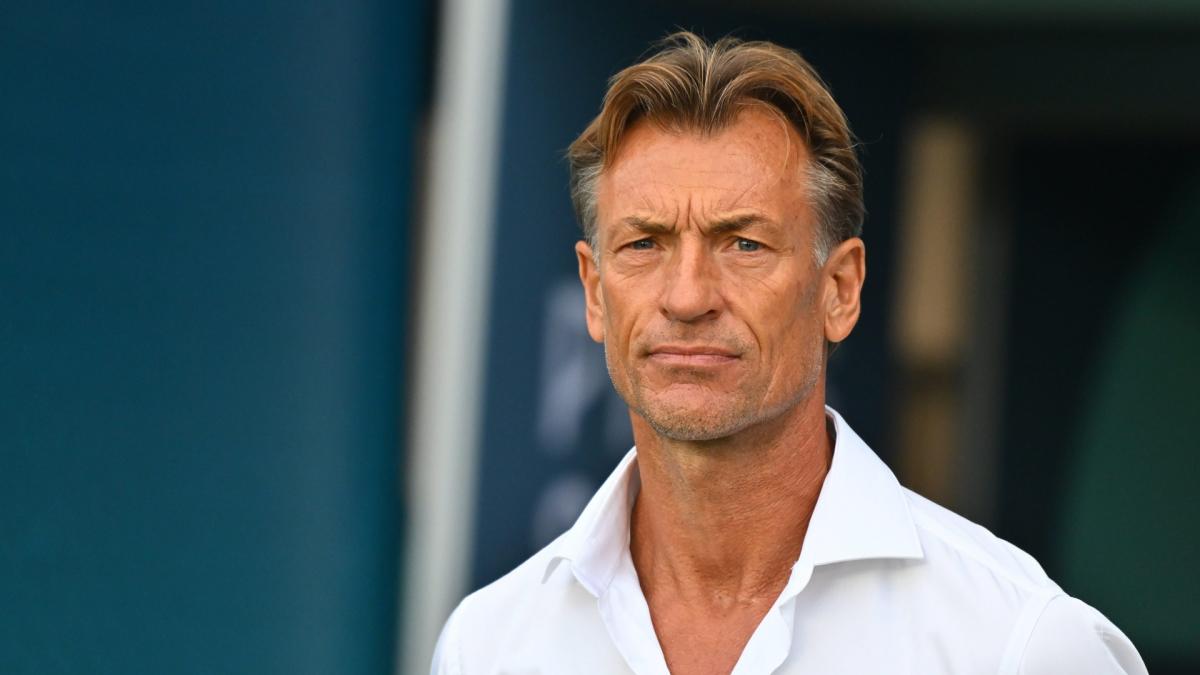
Hervé Renard’s Tumultuous Tenure with Tunisia
After a disappointing outing at the 2026 World Cup, Hervé Renard’s relationship with the Tunisian national team hangs in the balance. Renard took the reins amid the tournament to replace Sabri Lamouchi. Unfortunately, he could not turn around a team that faced a string of defeats, including a crushing 5-1 loss to Sweden, followed by eliminations against Japan and the Netherlands. His rapid appointment underscored the urgency of Tunisia’s situation, yet Renard’s efforts fell short of expectations.
Open for Discussion
In the aftermath of the World Cup, Renard indicated he is open to discussions with the Tunisian Football Federation about possibly continuing in his role. However, he clarified that his initial tenure was primarily a “commando mission” aimed at reshaping the team for the tournament. Despite being asked frequently about his future, Renard has not provided clear indications about his intentions.
Conditions for Continuation
According to reports from Tunisian media outlet Radio Mosaique FM, Renard has outlined two essential conditions for agreeing to an extended contract.
1. Patience from Supporters
The first condition involves fostering patience among Tunisian supporters. Renard emphasizes the need for the Federation to communicate transparently with fans about the team’s long-term rebuilding project. He believes clear, public messaging is vital for maintaining faith during what may be a prolonged period of restructuring.
2. Comprehensive Evaluation
Renard’s second stipulation is a thorough evaluation of Tunisia’s performance in the World Cup. He seeks a detailed analysis of not only the World Cup but also recent performances in the Africa Cup of Nations (CAN). This evaluation would provide insights into what went wrong and how to effectively move forward.
Financial Considerations
While Renard has yet to engage in discussions about salary, there are indications that his compensation could set a new benchmark for Tunisian coaches, should he continue. His experience and track record, particularly with Morocco, add weight to his negotiating position.
Challenges Ahead
Tunisia faces significant challenges as they look to rebuild their national team. The public outcry following the team’s World Cup performance has heightened expectations. Renard’s expertise may offer the needed direction; however, his conditions set a precedent that suggests organizational change is just as critical as tactical adjustments.
Conclusion
As of now, the future of Hervé Renard with the Tunisian national team remains uncertain. He teeters on a pivotal decision that could shape Tunisian football in the coming years. With conditions rooted in patience and pragmatic evaluation, both fans and the federation must navigate the intricate dynamics of rebuilding a competitive national squad. The next steps will be crucial for a footballing nation eager to reestablish itself on the international stage.