
Tensions Between the US and Spain: Trade Threats and Military Bases
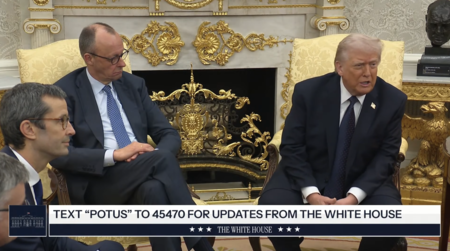
The Spanish government’s refusal to allow the use of the Rota and Morón military bases for a US offensive against Iran has escalated tensions, prompting a strong reaction from the White House. President Donald Trump has publicly announced his desire to “cut off all trade with Spain,” highlighting a new dimension in the ongoing diplomatic dispute that now includes economic repercussions.
Trump’s Strong Statements
In statements shared with the media, Trump took a confrontational stance against the Spanish government. He criticized Spain for its refusal to use military facilities to support US operations against Iran and for not increasing its military spending to 5% of GDP, a benchmark that aligns with NATO guidelines that the US has been advocating. “Spain has been terrible,” Trump remarked, emphasizing the country’s unique position among US allies regarding military expenditure.
Legal Framework and International Stance
Before Trump’s trade threat, Spanish Minister of Defense Margarita Robles made it clear that US bases in Spain would not support military actions against Iran. Both she and Foreign Minister José Manuel Albares asserted that the military’s operations must conform to international law and the Charter of the United Nations. Robles declared, “Neither from Morón nor from Rota have they carried out nor will they carry out any maintenance or support action” for these operations.
The Bilateral Agreement as a Limiting Factor
The disagreement is not merely political; it is rooted in a legal framework governing US military presence in Spain. An agreement from 1988 stipulates that any use of the bases for military actions requires prior authorization from the Spanish government. This provision allows Spain to position its diplomatic stance against what it perceives as unilateral military offensives, including those aimed at Iran.
Moving Military Assets
In light of rising tensions, there have been observable changes on the ground. Reports indicate that the United States has begun relocating aircraft stationed at the Morón and Rota bases, including a dozen KC-135 resupply planes transferred to a base in Germany. This suggests proactive measures are being taken to mitigate potential conflict while reflecting the broader political climate between the two nations.
Limits of Trump’s Trade Threat
The concept of cutting off trade raises questions about the feasibility of such an action against a member of the European Union. Spain does not negotiate its trade agreements directly with the US; instead, these discussions are handled through the European Commission. This complicates any direct punitive measures that could be implemented against Spain alone. However, selective tariffs on certain goods could be a potential avenue for economic pressure, as reported by sources like El País.
Spain’s Response
The Spanish government has responded firmly, emphasizing that any trade review must respect international law and the autonomy of private companies. They reiterated Spain’s strategic position as a key NATO member and a reliable trade partner. This stance reflects Spain’s intention to maintain both diplomatic relationships and economic stability amid the escalating tensions.
Conclusion: Awaiting Developments
As of now, the threat from Trump remains largely political, with no immediate concrete measures implemented. The United States and Spain find themselves at a crossroads where military, diplomatic, and trade discussions intersect. The outcome of this situation remains uncertain, warranting close observation as events unfold.
Images and sources: