
True Friendship: The Phosphorescent Light in Dark Times
The Unpredictability of Life
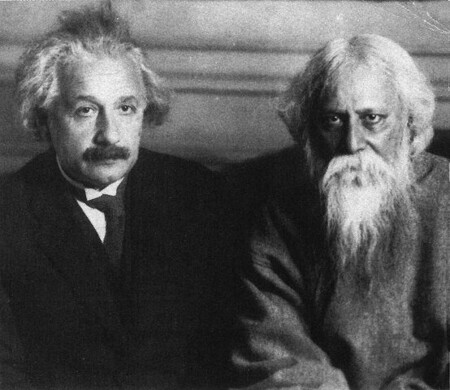
Life is challenging, characterized by complexities, disappointments, and emotional turbulence. Statistically, the chances of winning the lottery are almost nonexistent, which is a metaphor for life’s unpredictability. We all face our struggles, whether it’s breakups, losses, or the mundane trials of existence. Even revered figures like Rabindranath Tagore, a Nobel Prize-winning poet, faced profound hardships—widowed at 40 and having lost children at a tender age. Such experiences resonate deeply and form the foundation for understanding the essence of true friendship.
Tagore’s Insight on Friendship
Rabindranath Tagore once wrote, “True friendship is like phosphorescence; it shines best when everything has gone dark.” This proclamation not only highlights the resilience of genuine friendships but suggests that true bonds reveal their significance during the darkest times. Friendship, in essence, serves as a guide, illuminating paths in times of despair.
The Scientific Backing of Friendship’s Importance
Recent studies validate Tagore’s timeless wisdom. Notably, a groundbreaking 80-year study from Harvard University examined over 700 participants’ lives. Researchers wanted to understand happiness and well-being. They discovered that “close relationships” were more pivotal to a fulfilling life than money or fame. According to the study, strong friendships are the best predictors of both physical and mental health.
Key Findings from the Harvard Study
Health and Happiness Correlation: Robert Waldinger, the study’s director, emphasizes that managing relationships is as vital as physical health. Those who reported happiness in their relationships at age 50 generally displayed better health at age 80.
Stress Response: Stress is an omnipresent aspect of modern life, leading to physiological responses like elevated cortisol levels. Friendship serves as a buffer. Talking to a friend or loved one can lower stress and rejuvenate morale, whereas isolation exacerbates stress and feelings of despair.
The Power of Emotional Resilience
Aside from Harvard’s findings, other researchers, like Oxford’s Robin Dunbar, have focused on the importance of social networks. Dunbar posits that humans can maintain only about 150 meaningful relationships, suggesting that quality matters over quantity. The healing power of friendship is essential—not only for emotional support but for enhancing longevity and life satisfaction.
Why Friendship is Healing
Social support plays a crucial role in increasing resilience to stress, making emotional relationships vital for our psychological wellbeing. Studies repeatedly show that those with strong social ties tend to thrive in both their personal and public lives.
Navigating a Superficial World
In today’s fast-paced digital arena, many relationships can feel superficial. Tagore’s insights remind us to cultivate deeper, more meaningful connections. Experts like Arthur Brooks advocate for ‘useless’ friendships—those built solely on affection rather than utility. Such connections become our phosphorescent light in overwhelming darkness, nurturing our spirits when faced with adversity.
Conclusion: The Lasting Light of True Friendship
In a world where loneliness can often overshadow communal ties, the words of Tagore resonate more than ever. True friendship is indeed a beacon, shining brightly when life throws us into the shadows. Cultivating these bonds will not only enrich our lives but also illuminate the path for others, proving that even in the darkest moments, we are not alone. Embrace the friendships that bring light into your life; they are the true treasures that withstand the tests of time and turmoil.