
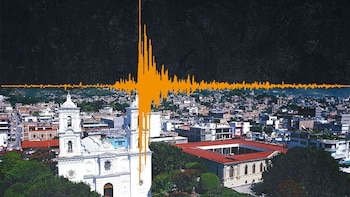
Tapachula, a city in the state of Chiapas, recently experienced a magnitude 4.0 earthquake that surprised residents on August 21 at 3:37 AM. According to the initial data provided by the National Seismological Service (SSN) , the tremor was recorded 26 km west of Tapachula and occurred at a depth of 87.2 km .
The specific location of this seismic event was identified by coordinates of 14.865 degrees latitude and -92.50 degrees longitude . So far, no significant damage has been reported as a result of this earthquake, which is reassuring for the residents. However, it is essential to stay informed through official channels for any updates or measures that may need to be taken.
The SSN has noted that the information released is preliminary and could be subject to change as authorities gather more data. It is also crucial to understand that earthquakes cannot be predicted . Currently, no method or technology exists that allows experts to forecast when a seismic event will occur.
Mexico is situated in a seismically active region, and dozens of earthquakes occur daily; however, most are of low magnitude and go unnoticed by the population. Still, residents should always be prepared for larger tremors.
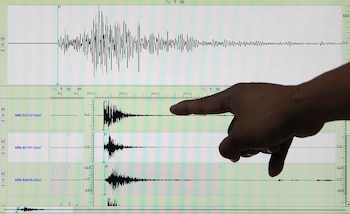
Given the uncertain nature of these natural disasters , it’s critical to prioritize preparedness . One of the most effective measures is to assemble an emergency backpack , also known as a “backpack of life,” which should contain essential items to sustain you for three days .
When preparing your emergency backpack, consider the specific needs of your family, including children, seniors, people with disabilities, and even pets. Here are some essential items you should include:
- Non-perishable food and bottled water
- Lighter or matches
- Emergency directory of family, schools, and civil protection
- Personal hygiene products
- Two or three changes of clothing
- Warm clothing
- First aid kit
- Medicines
- Portable radio and lamp with spare batteries
- Identification and important documents saved on a USB drive
- Crayons for writing
- Simple repair tools and cash
- Personal hygienic products
- Whistle
- Tool kit
- A copy of your home keys
- Photos of family members and pets
It’s advisable to store your backpack in a readily accessible location, and it’s wise to have an additional one in your car or at work. Mexico lives under the constant threat of experiencing significant seismic events, reminiscent of the devastating earthquakes in 1985 and 2017 , which left a lasting impact on its citizens.
The strongest earthquake in recorded Mexican history occurred on March 28, 1787 , with an epicenter in Oaxaca , registering a magnitude of 8.6 . This earthquake was so powerful that it caused a tsunami that reached 6 km inland . A study conducted by the Seismic Instrumentation and Registration Center (CIRES) in 2009 has suggested that large earthquakes of similar magnitudes could occur in the future along the coastlines of Mexico due to the accumulated energy in the Guerrero gap .
The memories of 1985 and 2017 resonate strongly with Mexicans, as they experienced severe repercussions that paralyzed Mexico City. The earthquake on September 19, 1985 , for instance, had a magnitude of 8.2 and an epicenter in Guerrero. Many believed that such destructive scenarios would be a thing of the past, yet another tremor struck just 32 years later .
On September 19, 2017 , a significant quake was recorded at 1:14 PM , affecting regions between Puebla and Morelos , resulting in 369 fatalities across central Mexico. Regular preparedness and understanding of seismic risks are essential, as the repercussions of such events can be life-altering.