
Traveling Light to the Moon: The New NASA Material
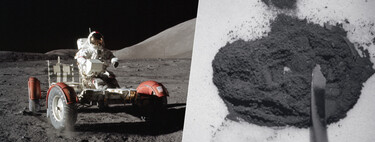
When venturing to the Moon and beyond, carrying light is paramount. Every extra kilogram significantly raises fuel costs, which makes resource acquisition at the destination crucial. Lunar regolith, or moon dust, presents a rich source of metals for construction and oxygen for fuel and life support. However, harnessing these resources requires melting the lunar rock.
The Challenge of Melting Lunar Regolith
The melting process produces a liquid akin to lava, notorious for its corrosive properties. Conventional containers or ovens cannot withstand this molten material. Fortunately, a dedicated team of NASA scientists has recently developed a groundbreaking solution to encapsulate the molten regolith.
Innovation through Rigorous Testing
After six months of thorough research, the pioneering scientists discovered a novel material. They mixed scandium oxide with lunar dust and subjected the blend to extreme heat. The outcome was a unique substance, distinct from over a million previously analyzed materials. Its properties proved to be exceptionally suited for the intended task.
Unveiling the New Material
Property Analysis and Chemical Structure
Understanding this new substance was critical. Scientists meticulously examined its chemical properties, identifying both advantages and potential optimization routes. The mixture of eight basic oxide components, along with scandium and lunar regolith, was heated to a staggering 1,593ºC. This process transforms a pink powder into a beige material, yielding an intuitive visual cue for completion.
Benefits for Future Lunar Missions
The newly formed substance is perfect for constructing containers used to extract metals and oxygen from lunar rock. It boasts impressive corrosion resistance alongside remarkable thermal stability, ensuring that molten regolith will not cause damage. Although scandium can be pricey, it is significantly cheaper than platinum, which is often employed in similar applications. This makes it a promising candidate for future lunar colonization efforts.
Wider Implications and Applications
Beyond the Moon: Aerospace Applications
This innovative material also holds promise in the field of aerospace engineering. Given its lightweight and better insulating properties, it can be utilized for jet engine coatings. High temperatures generated by these engines necessitate effective coatings to prevent overheating and potential damage.
SpaceX’s Advances
For example, SpaceX has incorporated shielding for each engine of its Starship. With ongoing improvements, including optimized external piping and enhanced thermal protection systems, the importance of such advanced materials in aerospace technology cannot be overstated. The introduction of this new substance could greatly benefit these endeavors.
Conclusion
The discovery of this cutting-edge material not only paves the way for resource utilization on the Moon but could also revolutionize various fields on Earth, particularly aerospace engineering. As we explore further into the cosmos, innovations like these will be indispensable in making sustainable space exploration a reality.