
**The World’s Attention** is currently focused on the developments in **Syria**. Recently, the **United States** announced a significant decision to lift all sanctions related to Syria, prompting noteworthy comments from key officials.
U.S. Officials Express Concerns
In a recent statement, **U.S. Secretary of State** Marco Rubio indicated that the Syrian Transition Government may collapse in the coming weeks. He highlighted the **potential ramifications**, stating that “the Syrian Transition Government is poised to collapse within weeks, potentially plunging the country into a **catastrophic civil war**.”
Support for a New Syrian Government
Rubio emphasized that Washington is committed to supporting the new Syrian government’s **successful establishment**. He underscored the necessity of preventing failure, which would inevitably lead to war and regional instability.
“We want to assist this government in becoming successful because the alternative could destabilize the entire region, leading to a full-scale civil war and chaos,” Rubio conveyed during a session of the **Senate Foreign Relations Committee**.
Regional Instability Risks
Furthermore, the U.S. officials, including personnel from embassies in **Turkey**, have committed to coordinating with local partners to assess the **needs** in Syria. This collaboration is crucial for determining what types of assistance the Syrians require.
Lifting sanctions could enable neighboring countries to support the Syrian government in establishing **administrative mechanisms** effectively. Rubio defended engagement with the newly formed government led by **Ahmed Eshara**, stressing the importance of a functioning governmental system.
“Some members of the interim government failed background checks, which is bad news. However, if the U.S. does not take part in this process, a downward spiral is guaranteed,” Rubio emphasized.
Potential Changes in Sanctions
According to U.S. officials, the **White House** is actively working on alternatives for lifting or suspending some sanctions. There is a possibility that **President Trump** might withdraw certain sanctions through presidential executive orders. However, issues concerning the **Caesar Act** and Syria’s designation as a “state sponsor of terrorism” since 1979 necessitate **Congressional approval**.
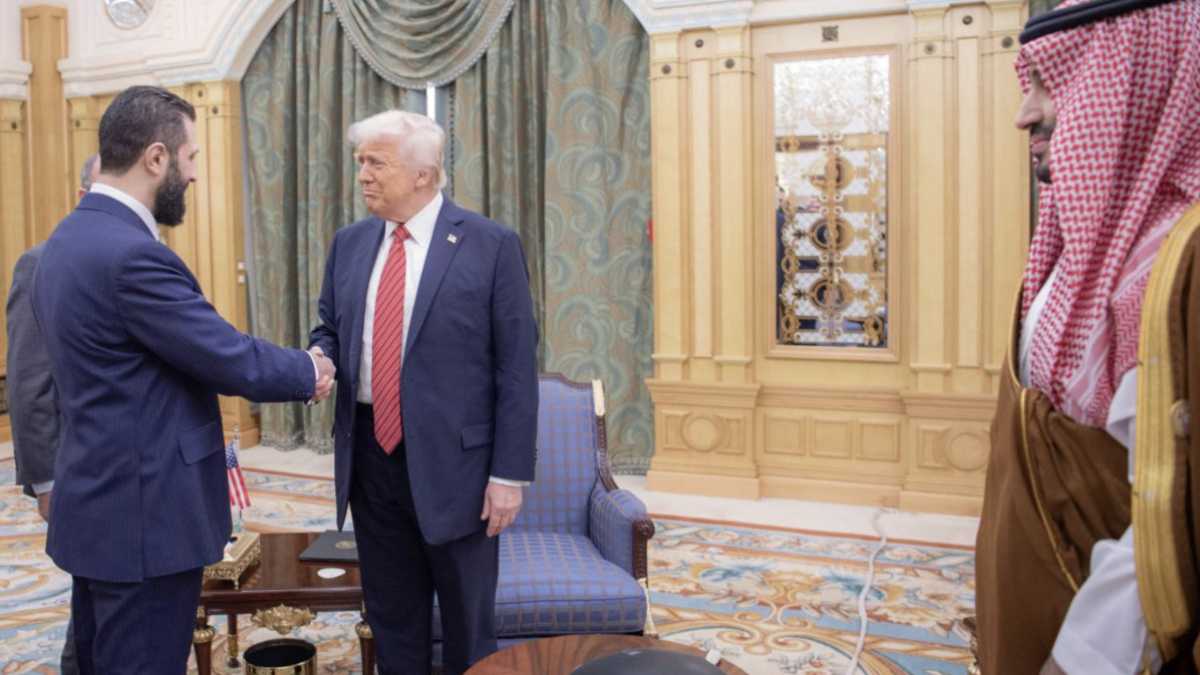
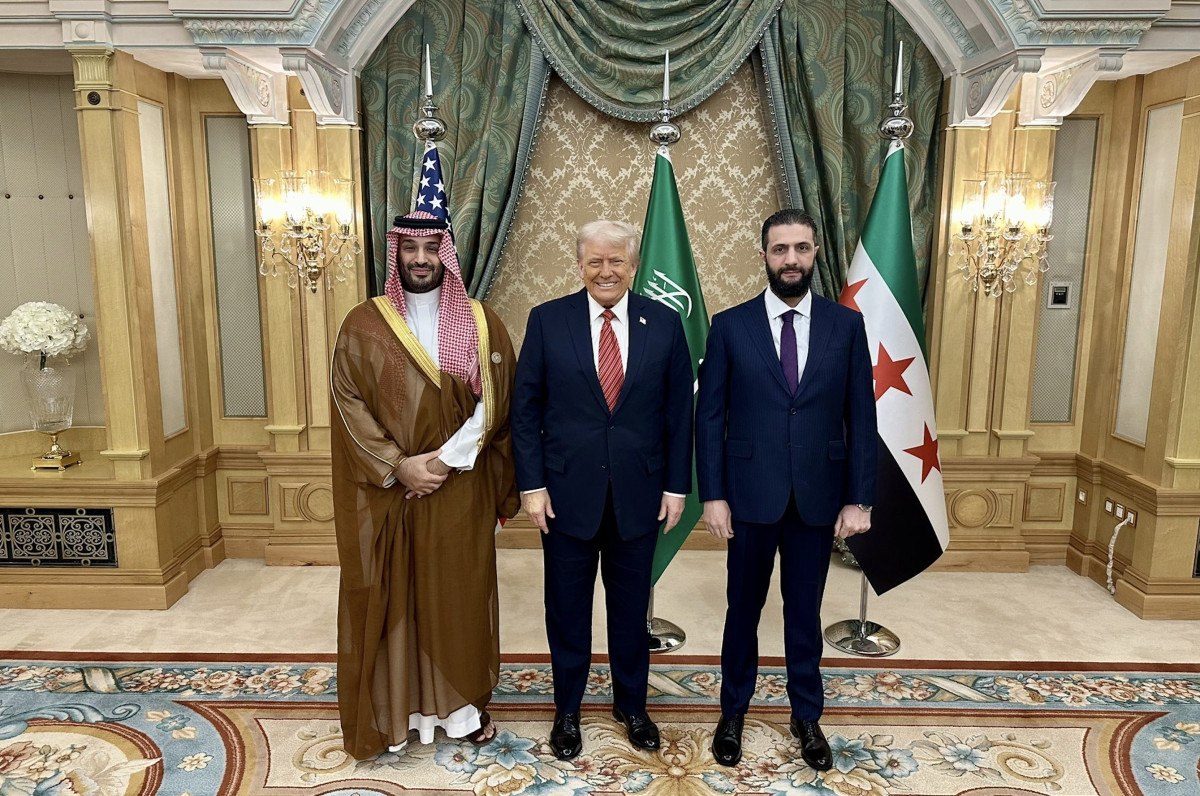
This announcement followed a recent meeting between President **Donald Trump** and Syrian Interim President **Ahmed Eshara**, where discussions about the lifting of sanctions took place.
Geopolitical Implications
The geopolitical implications of the U.S.’s approach to Syria present a complex scenario. The shift in strategies reflects not only internal decisions within the U.S. but also signals potential changes in how regional players might interact with the Syrian government. Numerous countries are keen on establishing a foothold in Syria, and the retraction of US sanctions could facilitate greater involvement from regional powers.
Humanitarian Concerns
In light of these developments, humanitarian concerns remain paramount. The potential for a **humanitarian crisis** escalates with the government’s instability. **Non-governmental organizations** (NGOs) and international bodies are urged to prepare for escalating conditions that could arise if the political situation deteriorates further.
International Reactions
The international community is closely monitoring the evolving situation in **Syria**. Countries that have historically opposed U.S. intervention now find themselves in a position to reconsider their strategies based on **U.S. policy changes**. Countries like **Russia and Iran** are also watching, as they have backed the current regime, and their future strategies may hinge on the unfolding U.S. narrative.
Potential for Collaboration
This scenario presents an unprecedented opportunity for collaboration on numerous fronts. **Diplomatic channels** can be opened for dialogue among major players, including Russia and the U.S., to seek a common ground that prioritizes **stability and peace** in the region. Collaborative efforts might not only pave the way for a more stable Syria but also alleviate the **humanitarian crises** unfolding in the nearby regions.
Long-term Prospects
As the United States navigates the complexities of its involvement in Syria, the long-term prospects of the nation rely heavily on careful planning and execution of policies that align with its **national interests** as well as the humanitarian needs of the Syrian populace. **Stability in Syria** could serve as a linchpin for broader **Middle Eastern stability**, highlighting the intricate balance that must be maintained.
The world watches with bated breath as developments unfold, and the necessity for a calculated approach cannot be understated. The **consequences** of U.S. actions in Syria will resonate far beyond its borders, influencing **global politics** for years to come.