
FC Barcelona’s Summer Spending Surge: A Close Look
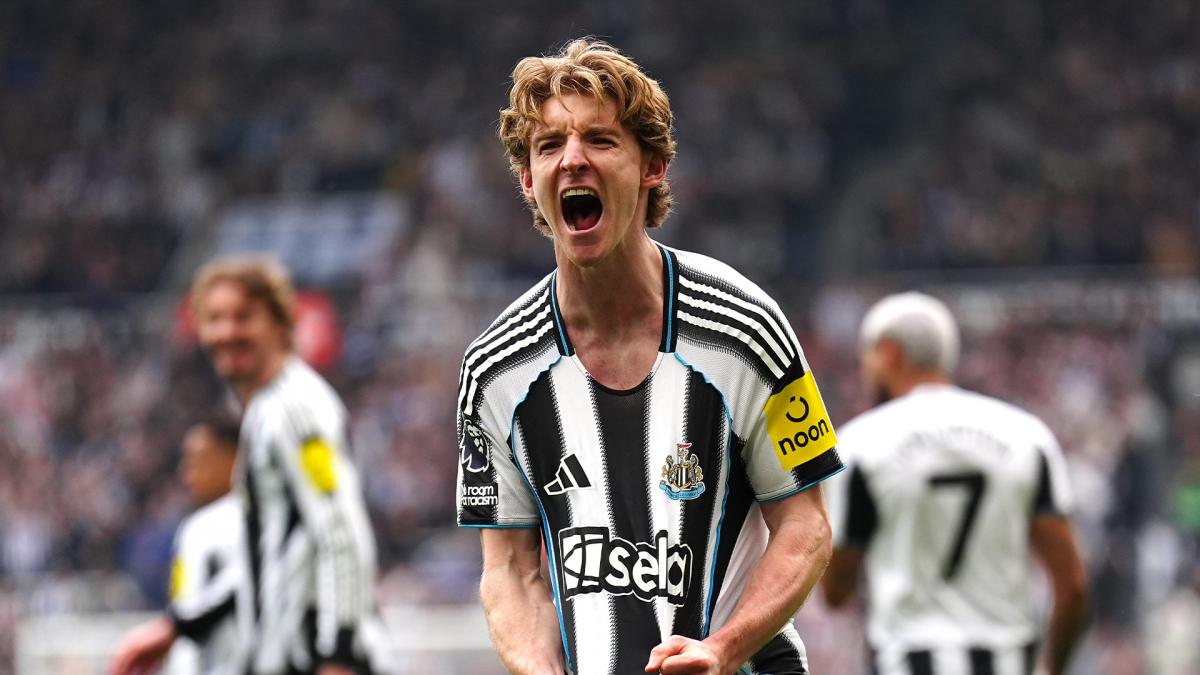
FC Barcelona has made a thunderous entry into this summer’s transfer window by securing Newcastle winger Anthony Gordon for a staggering €80 million. With clubs like Bayern Munich eyeing the talent, this bold move is just one of several high-profile signings, including the potential acquisition of Julian Alvarez from Atlético de Madrid. Given Barcelona’s recent financial woes, how is the club managing to splash such cash?
The Financial Fair Play Landscape
At the heart of this sudden spending spree lies an evolution in La Liga’s financial regulations. Over the years, Barcelona faced stringent constraints due to the league’s financial fair play rules, aiming to ensure clubs do not overspend relative to their income. While the Blaugranas had the liquidity for major signings (for instance, a €60 million bid for Olmo), the salary cap restrictions posed a significant hurdle. This cap limited the expenses Barcelona could allocate for player registrations, effectively sidelining their high-profile ambitions.
Return to Economic Normalcy
This summer, however, Barcelona enjoys a breathing space thanks to the reintroduction of the 1:1 rule, allowing them to reinvest every euro earned. This marks a stark turnaround; previously, only a fraction of their income could have been used for signings, as the rest was tied up in addressing an inflated payroll and debts. Key financial rejuvenation is evident in the club’s ticketing revenue, which skyrocketed from €51 million at Montjuic last season to an anticipated €226 million this season. Once Camp Nou fully reopens, the club aims for over €300 million in ticket sales.
Impact of Strategic Maneuvering
Seasoned management tactics have also contributed to this financial turnaround. Notably, Barcelona capitalized on additional revenue streams, like selling VIP seats for €70 million and expanding their global store presence. These small yet effective strategies have significantly improved the club’s overall financial health, propelling them to the position of the second highest-earning club in the world, just behind Real Madrid.
Anticipated Departures
Another dimension of Barcelona’s spending strategy involves anticipated player departures. With the exit of Robert Lewandowski, the club will free up considerable funds in payroll. Players like Marc Casado, Jules Koundé, Ronald Araujo, and Alejandro Baldé are also likely to command attention in the market, providing Barcelona with more resources. Reports suggest a potential €11 million sum from Ansu Fati’s deal with Monaco, alongside prospects for other players on loan who are attracting interest.
Future Financial Gains
Beyond direct transfers, Barcelona is positioned to benefit from former players they have retained a stake in. For instance, they stand to receive 20% from any future transfer involving Abde (now at Betis) and similar agreements for players sold previously. These smart investments in young, homegrown talent will continue to yield dividends, contributing to the club’s growing financial reservoir.
Conclusion
FC Barcelona’s aggressive spending strategy this summer is a testament to their evolving financial landscape. With a mixture of improved ticket revenues, strategic sales, and an elite management approach, the club is primed to re-establish its competitive edge in both domestic and European football. The coming weeks will invariably shape Barcelona’s future, both on the pitch and in their financial standings, heralding a potentially triumphant recovery for one of football’s most storied clubs.