
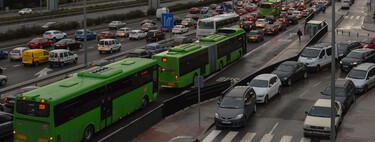
The Traffic Hell of Valencia: V-30 and A-3 Congestion
Traffic jams in Valencia have become a daily ordeal, especially at the notorious junction between the V-30 and A-3. With a city population of around 800,000, flanked by an equal number of residents in surrounding towns, it’s no surprise that congestion has reached hellish levels. According to The Provinces, the infrastructure, developed decades ago for a much smaller population, struggles to accommodate modern traffic volumes.
Challenges with Inadequate Infrastructure
The V-30, notorious for its consistent traffic issues, faces complications along its length. Future developments, including a new port terminal, promise to exacerbate the situation. Right now, mornings are particularly painful, with traffic snarls extending to neighboring areas. The main roads, once designed for lesser traffic, are overwhelmed, punishing daily commuters.
Proposed Solutions: A New Bridge Over the Turia
In a bid to remedy the situation, the Ministry of Transport has green-lighted the reconstruction of the junction between the V-30 and A-3. The plan includes expanding lanes and constructing a new bridge, among other facilities. With a budget of approximately 56 million euros, this project aims to alleviate the traffic nightmare that plagues these routes during peak hours.
Key Features of the New Development
The proposed remodel includes:
- A new bridge parallel to the existing structure over the Turia riverbed, designed to streamline traffic across the V-30.
- Two underpasses at the A-3 junction, improving flow.
- A cycle-pedestrian underpass under the Valencia-Puerto branch.
- A cycle-pedestrian walkway over the Valencia-Barcelona branch.
- Protection structures for existing drinking water pipelines.
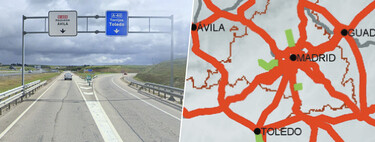
Existing underpasses and pedestrian walkways will also undergo expansions to accommodate growing traffic demands. Specifically, the A-3 will see an expansion to four lanes toward Madrid, directly easing one of the most severe bottlenecks in the region.
Impact on Local Residents
The residents of Xirivella, adjacent to the V-30, will benefit from the incorporation of acoustic screens and greenery, aimed at reducing noise pollution and the visual impact of the new constructions. This is a long-standing demand from the community, addressing both environmental and quality of life concerns.
As Valencia’s population continues to grow, the urgency for effective traffic management becomes even more crucial. While new infrastructure could potentially alleviate some pain points, the long-term vision should focus on sustainable solutions that meet the needs of all residents.
Valencia’s struggles with traffic congestion are emblematic of growing urban centers worldwide. With the right investments and planning, the V-30 and A-3 could transform from notorious hotspots of frustration to efficient arteries of movement.