
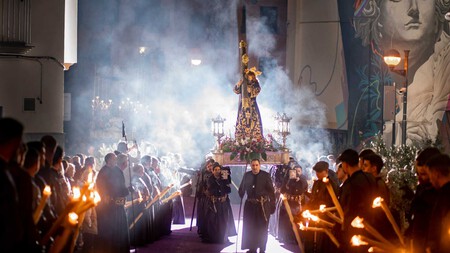
Tradition vs. Equality: The Recent Vote in Sagunto
The Dilemma Faced by the Brotherhood
The conflict between tradition and equality resurfaced recently in Sagunto, where the Brotherhood of Sang de Sagunt faced a pivotal decision: maintain their historical policy of excluding women from participation in their Holy Week processions or amend their statutes to permit inclusivity. This situation is emblematic of a broader societal debate regarding the balance between valued customs and the push for gender equality.
The Outcome of the Vote
In a conclave designed to address this controversial issue, members overwhelmingly decided to uphold their traditional stance. Out of 1,627 members, only 403 participated in the vote, which was exclusively male. The results showed a stark preference for tradition: 267 votes opposed changing the statutes, while only 114 supported the amendment allowing women to join the brotherhood. This pause in progress has perpetuated a well-established status quo, disappointing many advocates for gender equality.
Wider Implications of the Vote
This recent vote marks a continuation of previous refusals—just last year and in 1999, attempts to include women met similar rejection. The growing support for inclusion, while visible in rising vote counts over the years, still fell short this time. Many believed the moment had come for change, especially with the increasing visibility of women’s rights movements within religious contexts.
Concern for Cultural Reputation
The decision is not merely an internal matter for the brotherhood. The Ministry of Tourism in Spain initiated an investigation into whether Sagunto’s Holy Week should retain its designation as a Festival of National Tourist Interest (FITN) due to the lack of gender equality. Losing this title could harm the town’s economic prospects, affecting promotion and funding opportunities.
Arguments For and Against
Proponents of maintaining the traditional approach rationalized their position with arguments emphasizing the preservation of cultural heritage. They suggested that women could establish their own brotherhoods if they desired inclusion in the processions. In stark contrast, advocates for change like Blanca Ribelles of the Semana Santa Inclusiva Sagunto collective expressed deep disappointment, underscoring the importance of equality in modern society. “It is not about being more, but about equality,” she stated, demonstrating a growing frustration among activists.
Exploring Legal Pathways
In light of this setback, the Semana Santa Inclusiva group is considering legal action as a next step, although this is a path they had hoped to avoid. Their aim is clear: to join the procession in a manner that reflects both tradition and modern values, instead of relegating women to supporting roles.
A Broader Context
Sagunto is not an isolated case; similar disputes over gender roles in religious observance are evident throughout Spain. For instance, a year prior, a woman in La Laguna, Tenerife, successfully challenged her exclusion legally, setting a precedent that activists hope to build upon. Although legal outcomes may differ, the conversations surrounding these issues are indicative of a society grappling with its values.
Conclusion
The vote in Sagunto illustrates an ongoing tension between tradition and equality—a microcosm of societal struggles seen worldwide. As communities continue to debate these issues, the challenge remains: how to honor historical customs while embracing a more equitable future for all participants. The dialogue must not end with a vote; it must evolve into actionable change that allows every individual to celebrate their heritage fully and equally.