
The Koldo Case: A Judicial Examination of Audio Evidence
Overview of the Hearings
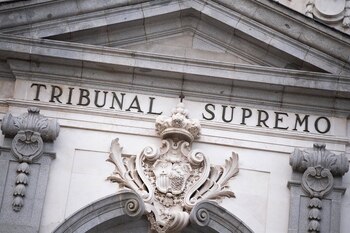
The ongoing discussions surrounding the audio recordings attributed to Koldo García, a key figure in a major legal investigation, have led to significant courtroom confrontations. Today, these debates take center stage in the Supreme Court as Judge Leopoldo Puente gathers experts from both the Civil Guard and the defense of Santos Cerdán. Their primary task is to address conflicting technical conclusions regarding the reliability and authenticity of crucial recordings.
Key Issues at Stake
The defense team representing Cerdán has raised concerns about the integrity of the audio recordings. They argue that the files may have undergone technical modifications that undermine their status as original forensic copies. Independent experts have echoed these sentiments, stating that there is no guarantee that the seized materials closely match the first copies extracted from the devices in question.
Chain of Custody and Integrity
One of the fundamental questions in this case revolves around the chain of custody. Cerdán’s defense contends that breaks in this chain, along with methodological flaws in handling the digital files, raise doubts about the legitimacy of the evidence. This argument emphasizes the necessity for a thorough examination of the recording processes, transfer methods, and any possible alterations.
Courtroom Dynamics and Expert Opinions
The technical analysis presented by the Civil Guard’s Digital Engineering Department stands in stark contrast to the defense’s narrative. In a report released in September, they affirmed that the analysis of the Voice Memos application used to create the recordings revealed no signs of manipulation or alteration that would affect the recordings’ authenticity. However, they did acknowledge the limitations in determining the exact creation timestamps of the audio files, which complicates the timeline of events.
Discrepancies in Metadata
In a notable observation, the Civil Guard experts identified inconsistencies in the metadata of some audio files. These inconsistencies included labeling dates that could differ from actual creation dates by as much as six months. Such discrepancies further complicate the task of reconstructing the sequence in which the recordings were made, leading to further scrutiny of their authenticity.
The Defense’s Stance
Cerdán’s legal representation has focused heavily on the technical quality of the recordings, arguing that they lack sufficient detail for reliable biometric identification of the voices. They maintain that this limitation diminishes the argument for accurate individualization of the interlocutors involved in the conversations.
Furthermore, the defense posits the possibility that sophisticated espionage tools, such as spyware, could have been used to digitally capture the recordings. This theory introduces an additional layer of complexity regarding whether Koldo García may have acted under duress or as an undercover agent, possibly compromising the integrity of the recorded conversations.
Future Implications of the Hearings
The ongoing technical confrontation among experts aims to provide Judge Puente with the necessary tools to resolve these disparities. The outcome will be critical, as it will determine whether these electronic records can continue to support the judicial process or if emerging uncertainties will render them inadmissible.
Conclusion
The evolving dynamics of the Koldo case put a spotlight on the importance of digital evidence in legal proceedings. As the Supreme Court navigates these significant technical discrepancies, the findings from today’s hearings will likely play a pivotal role in swaying the trajectory of this high-profile case. Judge Puente’s emphasis on establishing unquestionable evidentiary elements signals a commitment to ensuring a fair and thorough examination of the facts, a priority for upholding justice in this complex digital landscape.