
The Shift from LNG Importer to Self-Sufficient Power
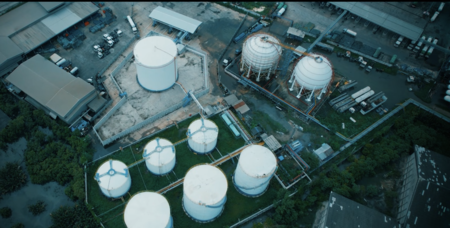
China’s transformation into a self-sufficient player in liquefied natural gas (LNG) is a strategic pivot with far-reaching implications. Once the largest importer of LNG globally, China’s recent dedication to self-sufficiency marks a significant shift in energy strategies. As highlighted in a recent video by Xataka, this change goes beyond energy production, throwing light on China’s broader aspirations in technology and global influence.
Understanding the New Energy Landscape
Energy is critical for any nation, particularly in Europe, where the strategy focuses heavily on prevention—accumulating supplies and diversifying sources to mitigate risks of energy cuts. In contrast, China is moving towards self-reliance, having previously depended heavily on imported LNG from nations including Australia, Qatar, and the United States. The shift is driven by the “Made in China 2025” initiative, which aims to reduce dependency on foreign resources and establish China as a global technological leader.
Data and Trends: Analyzing China’s Progress
Recent data reflects China’s impressive leap towards achieving self-sufficiency. Between January and June 2025, China produced approximately 130.8 billion cubic meters of natural gas, an increase of 5.8% from the previous year. This surge illustrates a significant transformation in production capabilities, moving from reliance on international suppliers to increasing domestic output, raising questions about the future dynamics of global energy markets.
Strategic Implications of Self-Sufficiency
Achieving self-sufficiency in LNG is not solely an industrial goal; it carries profound strategic implications. Economically, a self-reliant China could stabilize local markets and exert more control over pricing. Geopolitically, this shift serves as a lever against global suppliers, potentially altering the balance of power in energy-related negotiations. Furthermore, energy security becomes an integral component of national security, allowing China to strengthen its position on the world stage.
Innovations and Challenges Ahead
China is heavily investing in new technologies, including enhanced deep drilling techniques for unconventional gas extraction. However, the complexities of its geological landscape present challenges that require ongoing research and development. The balance between technological advancement and sustainable practices will be crucial as China continues its journey towards energy independence.
Conclusion: A Broader Perspective
With its growing emphasis on self-sufficiency, China is positioning itself as a formidable player in the global energy arena. The implications of this shift extend well beyond energy production, touching on economic strategy, geopolitical power, and state security. As we continue to monitor these developments, it’s vital to understand the interconnections within this evolving landscape.
For those interested in a deeper dive into this topic, check out the full video on Xataka’s YouTube channel and engage in the discussion.
Images | Xataka