
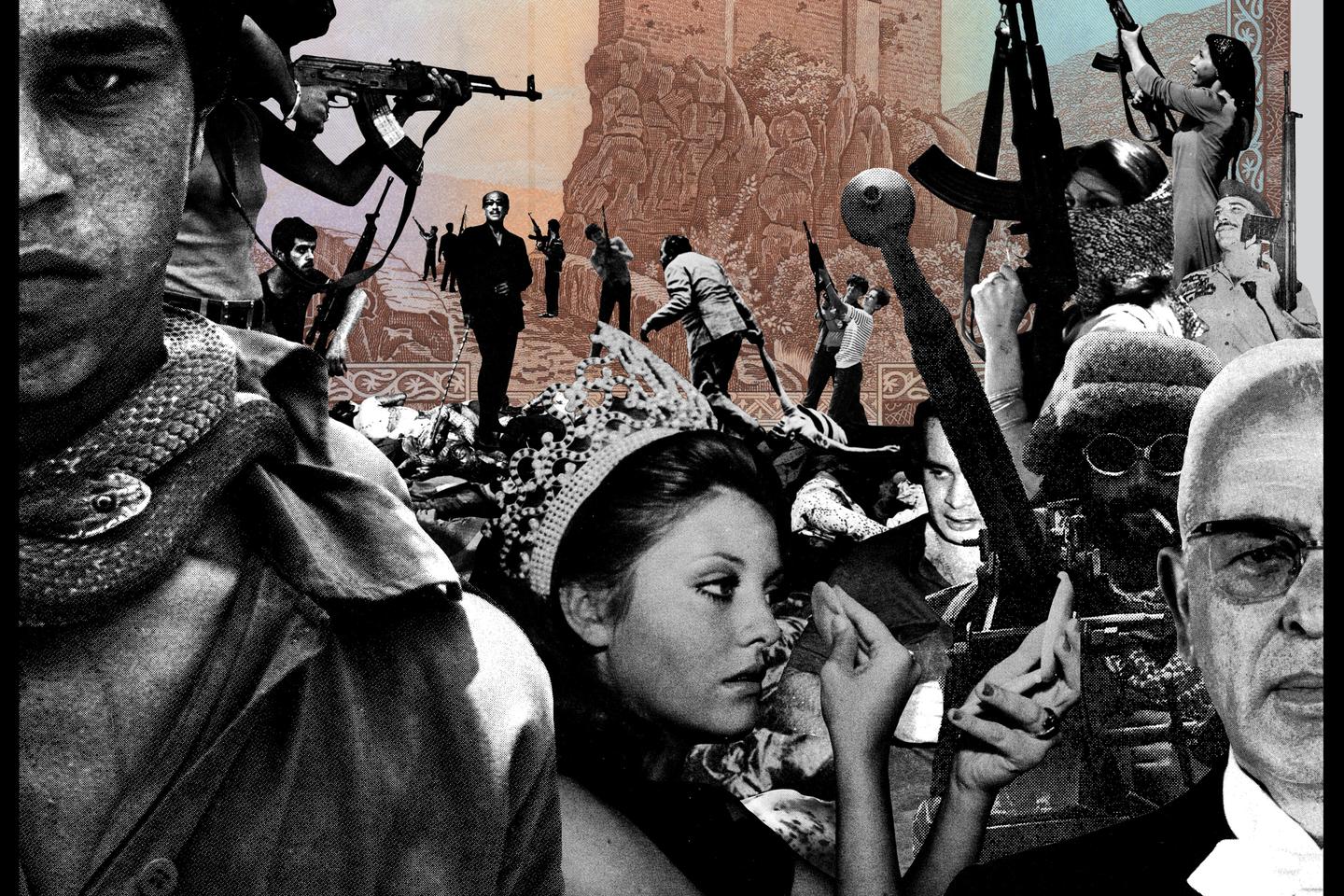
The Complex Legacy of the Lebanese Civil War
The Lebanese Civil War, which took place from 1975 to 1990, remains one of the most critical periods in Lebanon’s history. Even after its official end, the aftershocks of this conflict still affect Lebanese society and politics today. As we mark the 50th anniversary of the conflict’s onset, it is essential to reflect on its legacy and the ongoing issues surrounding national stability and regional conflict.
Understanding the Origins of the Conflict
The roots of the Lebanese Civil War can be traced back to a combination of sectarian tensions, economic disparities, and the geopolitical landscape of the Middle East. Lebanon, often regarded as a mosaic of religions and ethnicities, is home to significant Christian and Muslim populations, each with its own political aspirations and agendas. These divisions created an environment of tension that ultimately erupted into violence.
Before the war, Lebanon was often referred to as the "Switzerland of the East" due to its robust banking sector and vibrant cultural scene. However, by the early 1970s, increasing social unrest and political instability led to widespread inequality and disenchantment among various communities. The growing influence of Palestinian militant groups, particularly the PLO, further complicated the situation, as they often clashed with Lebanese militia factions, igniting the flames of civil strife.
Key Events and Their Lasting Impact
The war officially began on April 13, 1975, when a series of skirmishes between Christian militias and Palestinian factions escalated dramatically. The conflict soon drew in various foreign actors, including Syria and Israel, transforming a civil dispute into a proxy war. The involvement of foreign powers significantly influenced the course of the war and exacerbated existing sectarian divides.
One of the most notorious events was the Sabra and Shatila massacre in 1982, during the Israeli invasion. Thousands of Palestinian refugees were killed by the Lebanese Phalangist militia in a brutal act of revenge, highlighting the deep-seated animosity that lingered in the region. Such incidents not only fueled resentment among the affected communities but also generated international outcry and condemnation.
The Regional Stakes: Israeli-Palestinian Conflict
Today, the Israeli-Palestinian conflict remains a crucial factor in Lebanon’s continued instability. The intertwining of Lebanese politics with the Palestinian question has made it exceedingly difficult for the country to achieve long-lasting peace. Hezbollah, a powerful Shiite militant group, often invokes the Palestinian cause to bolster its support among the disenfranchised. Lebanon’s proximity to Israel places it in a precarious position, as it frequently becomes a battleground for larger geopolitical issues.
The recent escalation of violence, such as the Israeli offensive in Lebanon on September 17, 2024, has further highlighted this intricate relationship. Following eleven months of skirmishes along the border, the Israeli-Palestinian tensions have manifested in Lebanon, resulting in renewed conflict and civilian casualties.
Post-War Reflections: Healing and Reconciliation
Despite the official conclusion of the Lebanese Civil War in 1990, the nation is still grappling with the implications of its past. Partisan politics, entrenched socio-economic divisions, and unresolved grievances continue to hinder national unity. The Taif Agreement, designed to end the conflict, aimed to create a power-sharing arrangement but often falls short of fostering genuine reconciliation.
Various civil society initiatives have emerged to promote dialogue and heal the wounds of war. However, deep-seated divisions remain a significant obstacle in achieving true national harmony. The challenge lies in the need for all communities to come together and address the lingering issues that plague their society.
Education and Collective Memory
Education plays a pivotal role in shaping collective memory and understanding the history of the war. The dissemination of narratives regarding the civil conflict is crucial for the younger generation to grasp the complexities of their nation’s past. Programs that emphasize the importance of empathy, mutual respect, and historical awareness can foster a more inclusive environment for future generations.
Cultural initiatives, such as art exhibitions and literature focused on the Civil War, contribute to the ongoing discourse around identity, memory, and healing. By utilizing various media, artists and writers can address traumatic histories while promoting unity and understanding across sectarian lines.
The Way Forward: A Hopeful Outlook
As Lebanon continues to navigate its identity in a rapidly changing world, the importance of regional stability cannot be overstated. The socio-political landscape remains fragile, and structural reforms are necessary to foster a resilient society. Initiatives aimed at promoting economic opportunity, decentralization, and inclusive governance are crucial for long-term peace.
Addressing the core issues stemming from the civil war—such as economic inequity and political disenfranchisement—is essential for building a more harmonious future. In light of ongoing conflicts and regional tensions, it is clear that Lebanon must find its own path toward reconciliation, one that honors its diverse heritage while fostering unity.
In conclusion, the legacy of the Lebanese Civil War serves as a stark reminder of the challenges faced by societies emerging from turmoil. As Lebanon reflects on its past and strives for a peaceful future, it must remain vigilant in addressing the underlying issues that threaten its stability. Through education, dialogue, and cooperation, the nation can cultivate hope and resilience in the face of adversity.