
## The Geopolitical Significance of Kharg Island
In the intricate landscape of the Persian Gulf, there lies a small enclave of just a few square kilometers—Kharg Island. Historically, this island has been heavily bombed, especially during the Iran-Iraq War of the 1980s. However, despite its size and the devastation it faced, Kharg continues to serve as a pivotal channel for crude oil exports, handling around 90% of Iran’s oil. This paradox illustrates that sometimes the smallest locations in geopolitical conflicts have outsized importance.
## A New Approach to Warfare
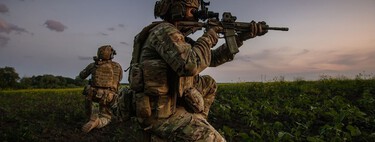
In recent developments, the United States has shifted its military strategy concerning the Strait of Hormuz. With the deployment of a second amphibious group of Marines, there is a palpable sense that the conflict is intensifying. This approach starkly departs from traditional airstrikes and hints at a more aggressive strategy: a potential ground operation aimed at seizing control of strategic territories like Kharg Island.
### The History Behind the Plan
The prospect of taking Kharg Island is not an entirely novel concept. Traces of this strategy can be found dating back 40 years, when former President Trump articulated similar ideas about targeting Iranian oil assets to extract concessions. What once was campaign rhetoric has now morphed into a feasible operational plan, suggesting that global dynamics may soon shift dramatically.
## The Economic Warfare Landscape
Iran has successfully maintained its crude oil exports while constricting those of its rivals, turning the Strait of Hormuz into a potent economic weapon. The U.S. strategy aims not just to destroy but to control. By capturing Kharg, Washington would cut off Tehran’s primary income source and potentially use the island as leverage to reopen Hormuz, thereby shaping the regime’s concessions.
### Challenges in Execution
While taking Kharg Island might appear straightforward on paper, the challenges of holding it cannot be underestimated. Its location leaves it vulnerable to missile strikes, drone attacks, and a myriad of asymmetric threats from the Iranian coast. This reality transforms the operation from a seemingly quick campaign into a prolonged struggle—a war of attrition against a well-defended adversary.
## The Risks of Escalation
Most analysts venture that the fallout of such military action would be multifaceted, extending beyond mere military engagement to political and economic repercussions. Targeting the heart of Iran’s oil infrastructure could catalyze regional instability, heightening energy prices and placing additional pressure on the U.S. to disengage from the conflict.
### A Strategic Gamble for Washington
Capturing Kharg Island does not guarantee Iranian capitulation. Instead, it may bolster resistance and exacerbate hostilities. As such, the island has transformed from a military target into a high-stakes strategic bet, posing significant risks for U.S. interests in the region.
## Conclusion
As the geopolitical chess game continues in the Persian Gulf, the focus on Kharg Island epitomizes the complex interplay between military strategy and economic leverage. With the stakes higher than ever, the U.S. is threading a needle that could either reshape the landscape of the conflict or plunge it into a deeper quagmire.