
The Theft of Digital Content: A Growing Concern
Open TikTok (or any popular short video platform) and you might encounter a plethora of clips. Picture a video pulled from a podcast via random account @user97567, a split-screen showing Parkour in Minecraft, and a compilation of amusing cat clips by @funnycatslolhaha. What’s the thread tying these seemingly diverse clips together? They are all examples of stolen content . Despite increasing awareness, the issue remains largely unresolved as platforms struggle to tackle the problem.
The Challenge of Content Control
Managing the distribution of content on the internet is incredibly complex . Just as one can easily copy and paste text into a blog, preventing the downloading of videos, whether they are from YouTube, TikTok, or Instagram, poses significant challenges. Many platforms even inadvertently grant permissions that perpetuate the cycle of theft. For example, users often rely on third-party tools to strip away watermarks and other forms of protection.
21 Instagram Tricks – Tutorial with All Secrets!
Why Content is Stolen
Profiles that repurpose content from other creators have various motives. Primarily, they aim to monetize their accounts either through platform-specific funds or by inflating follower counts to sell them off later. If the names Babronazi or PostureoEspañol ring a bell, you know precisely what I mean. While some accounts may genuinely be fan pages, the act of stealing content remains their primary method of gaining visibility. These profiles often take the original content, make minimal edits (if any), and repost it.
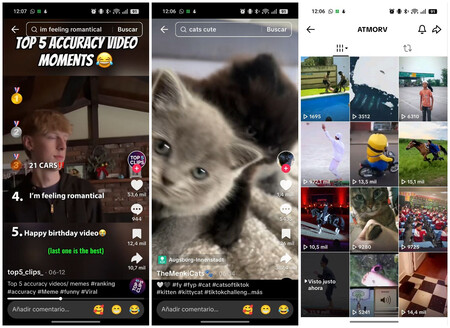
The typical “For You” page: Memes accounts, cat videos, and accounts with zero original content | Captures: Xataka
Interestingly, there’s a growing trend of profiles and courses that specialize in what’s often termed “ network automation .” This involves integrating AI tools, utilizing other creators’ videos, and employing rapid editing templates to generate massive video outputs aimed at driving revenue. This practice is marketed as a form of “passive income” that, ironically, seems to attract a specific demographic.
Complex Reality of Content Theft
While the digital world may appear favorable for creators, the reality is much more complex.

Current Solutions: An Ineffective Approach
Unfortunately, solutions to combat this are scarce. Some users have begun embedding a watermark directly into their videos, a strategy that ensures any downloaded versions retain some form of attribution. However, the larger issue remains: social platforms are woefully ineffective in curbing the unauthorized distribution of original content by third parties.
Platforms like Facebook, Instagram, YouTube, and TikTok overflow with reused content . The algorithms often mix this bland material with authentic content, blurring the lines for viewers. From a business perspective, this arrangement benefits the platforms. They achieve their goal of increasing user engagement, while original creators are left to lose potential earnings due to the theft of their work.
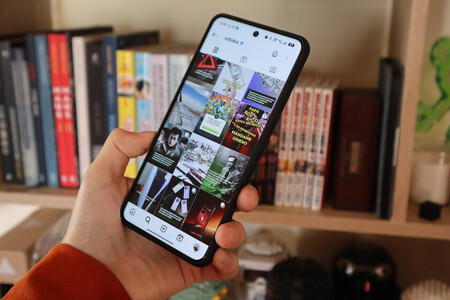
Image | Xataka
What Platforms Are Doing About It
In response, some platforms have employed various measures with varying degrees of success:
- YouTube allows monetization only on what it deems original content. Users cannot profit from videos deemed “non-authentic,” like simple reactions to existing works.
- Instagram autonomously adds credits to videos suspected of being reposted from others. When a video is flagged, it will link back to the original creator’s profile, although this area remains ambiguous.
- Facebook has been more lenient and has announced new policies aimed at curbing the monetization of reused content.
- TikTok has published guidelines that, in theory, would prevent non-original content from gaining visibility. However, user modifications are often enough to bypass restrictions.

The Intellectual Property Dilemma
The issue of intellectual property is equally murky. When users upload videos to TikTok or Instagram, they unwittingly grant a global license for platforms to exploit that content, although creators still retain rights. While one could, in theory, enforce copyright claims against profiting from their content, undertaking such a process demands both time and resources.
Similar practices exist across various sectors. For example, 3D printing enthusiasts often upload models intended strictly for personal use. If these models are used commercially, such as in an Etsy store, it constitutes a breach of copyright—a violation that is often hard to combat in practice.
Conclusion
The reality remains that accounts misusing third-party content will not disappear easily. Combatting this challenge is a far more intricate affair, as platforms may advocate for original works while failing to implement adequate protective measures. This paradox highlights a sobering truth: users often prioritize entertainment over original content quality, engaging with whichever clips offer them amusement, be it a highly crafted video or simply a funny compilation. As long as engagement metrics remain paramount, the cycle of content theft is likely to persist.
Cover image | Xataka