
The Polish Presidential Election: A Shift Towards the Extreme Right
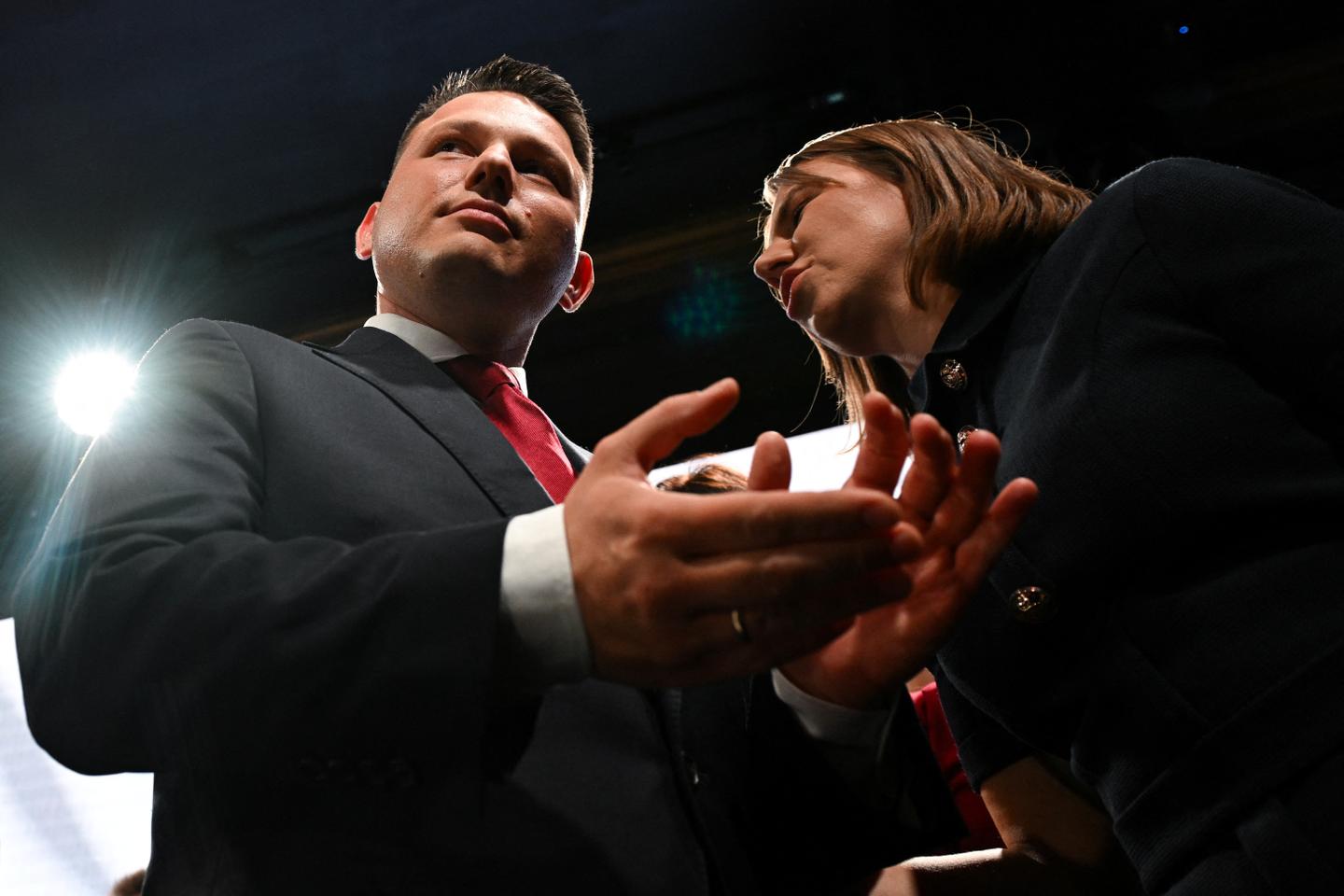
The Polish presidential election held on May 18, 2025, marked a significant moment in the nation’s political landscape. An unprecedented rise in support for extreme-right candidates was witnessed, with a total of 21% of voters opting for this faction. A particularly noteworthy figure was Slawomir Mentzen , representing the Konfederacja party , who secured 15% of the votes and placed third in the election. This unexpected outcome has fueled discussions about the evolving political dynamics in Poland.
Unexpected Developments in the Election
Following this surprising first round, the second phase, often referred to as an “in-between tours,” kept Polish voters on edge. The election results gave rise to an unconventional twist—a debate invitation extended by Mentzen to the two leading candidates, Rafal Trzaskowski from the Liberal party and Karol Nawrocki from the ultra-conservative wing. This initiative aimed to amplify voter engagement by providing insights into the candidates’ positions via Mentzen’s YouTube channel .
Debate Dynamics: A Closer Look
Both debates hosted by Mentzen were well-received, garnering impressive viewership with nearly 400,000 live views for Nawrocki and over 600,000 for Trzaskowski . Notably, Mentzen’s approach as an interviewer was uncompromising. He meticulously prepared for each debate, pushing candidates to clarify their stances on critical issues. The contrasting styles of the candidates were evident, reflecting the deep ideological divides within Polish politics.
The Declaration of Principles
In addition to engaging in debates, Mentzen presented a declaration of principles consisting of eight points that he urged both candidates to endorse. This document encapsulated his libertarian vision , emphasizing the importance of freedom of expression and advocating for a more restrained European Union influence in Polish governance. It explicitly called for no further laws that would transfer more powers to the EU or provide support to NATO regarding Ukraine.
The Voter’s Dilemma: Choices and Consequences
As the election progressed, Polish voters faced a challenging decision. Should they lean towards the liberal rhetoric of Trzaskowski, known for his progressive policies , or align with Nawrocki’s ultra-conservative platform, which often emphasizes traditional values? Meanwhile, Mentzen’s bold propositions, advocating for less EU intervention and greater national sovereignty, added another layer of complexity to the voter’s choice.
The political atmosphere was charged. Mentzen’s rise represents a wider trend observed across Europe—an increasing attraction to nationalistic and far-right ideologies . The depth of support for such candidates indicates a potential shift not only within Poland but across the continent, prompting many to reflect on the future of democracy and liberalism in the region.
Media Influence and Public Engagement
The role of media in shaping public opinion cannot be overlooked. The debates not only allowed Mentzen to showcase his interviewing skills but also provided a platform for voters to become more informed about the candidates’ policies. This new form of engagement, leveraging social media and digital platforms, signifies a shift from traditional campaigning methods.
Interestingly, the rise in viewership reflects a growing appetite for direct engagement with political figures. As people increasingly turn to digital media for news and information, the implications for future elections are profound. Candidates must adapt to this new landscape, creating content that resonates with voters to capture their attention and support.
Future Implications for Polish Politics
As the second round approaches, Poland stands at a crossroads. The results from May 18 may very well signal a turning point in its political history . The profound impact of the extreme right, exemplified by figures like Mentzen, may lead to more voters gravitating towards nationalistic sentiments. This trend raises essential questions about the future of democratic values in Poland.
Moreover, the potential outcomes of the elections will not only affect Poland but may also ripple across Europe. The increasing popularity of far-right ideologies might inspire similar movements in other countries, thereby reshaping the continent’s political landscape.
Conclusion
In conclusion, the unfolding events surrounding the Polish presidential election serve as a critical case study of how far-right ideologies are gaining traction in contemporary politics. The surge in support for candidates like Slawomir Mentzen highlights a significant shift in voter sentiment, inviting further analysis on the implications for European unity and democracy . As voters prepare to cast their ballots on June 1, the stakes are higher than ever, not just for Poland but for the future of political discourse globally.