
As the warm days of spring and summer arrive, we find ourselves dreaming of picnics on the grass , forest walks, and peaceful moments in the garden. However, lurking behind this idyllic scene is a quiet threat : the tick. These tiny arachnids, almost invisible to the naked eye, are far more dangerous than they seem. By attaching themselves to the skin with their proboscis, they feed on blood and can transmit a host of diseases, most notoriously Lyme disease . You don’t even have to venture deep into the woods to encounter them; ticks can easily invade our backyards. Thankfully, there exists a natural, effective, and aesthetically pleasing solution to help protect your outdoor spaces.
Protecting Your Garden: An Urgent Matter Against Tick Proliferation
Ticks are no longer confined solely to the domain of forest walkers or wild berry pickers. They have begun to invade our gardens , transforming these havens of tranquility into areas of heightened vigilance. While they remain invisible in their larval or nymph states, these parasites can have serious health implications for humans. Their method of operation? They wait in ambush on tall grass or low leaves, ready to latch onto any passing host—be it a mammal, bird, or reptile.
Their weapon of choice is their rostro , a specialized mouthpart capable of piercing skin to slowly gorge themselves on blood. If the host is infected with the bacterium Borrelia burgdorferi , ticks become vectors for the troublesome Lyme disease . According to Inserm, this illness can lead to joint, neurological, or cardiac issues if not diagnosed and treated in time. Often, bites are recognizable by a circular reddening at the bite site, but this is not always the case.
Lemon Geranium: A Fearsome Plant Against Ticks
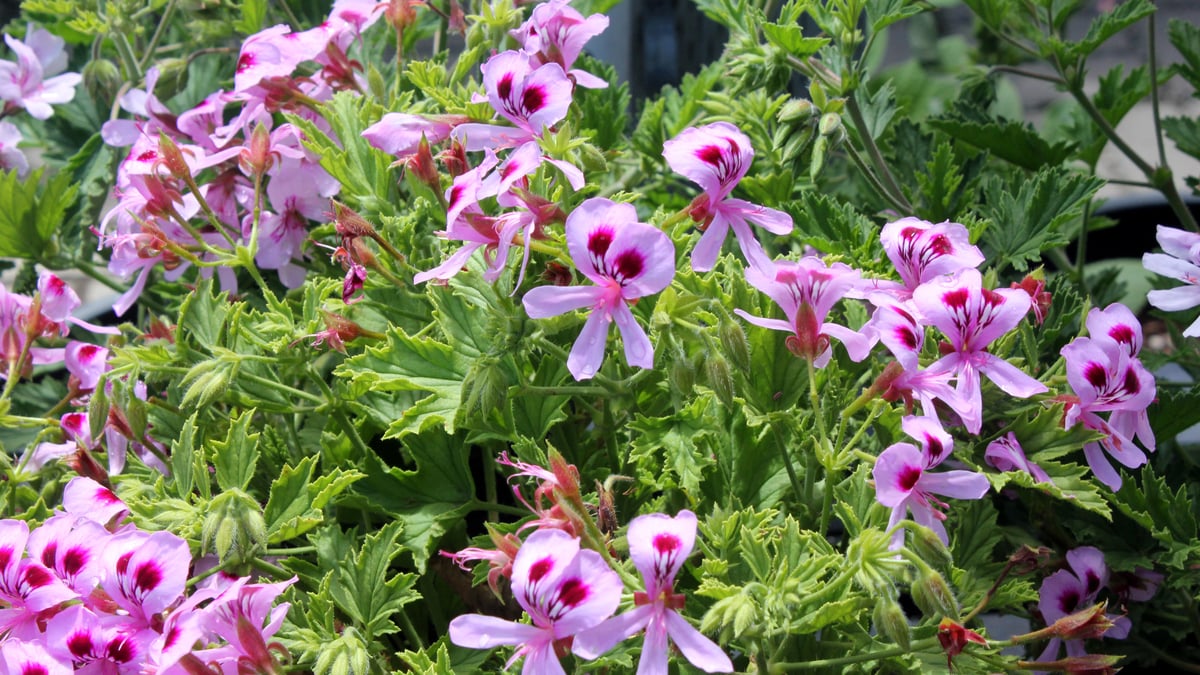
In the face of this silent yet real menace, certain natural solutions have proven effective. The lemon geranium , scientifically known as *Pelargonium citronellum*, is one such plant. This ornamental species, known for its colorful flowers and jagged leaves, serves as a bona fide anti-tick sentinel . Its secret? An intense lemony aroma that ticks simply cannot tolerate. Ticks locate their prey using the Haller organ , an ultra-sensitive sensor capable of detecting warmth, humidity, and certain molecules in the air. When the environment is saturated with lemony scents—like those emitted by this plant—their navigation becomes increasingly difficult, causing them to flee.
It’s akin to throwing them off the scent. The Anses (French Agency for Food, Environmental and Occupational Health & Safety) affirms that plants with strong odors can play a role in reducing the risks of bites , when combined with other preventive measures such as wearing long clothing during walks and routinely inspecting the body after outings amidst nature.
How to Naturally Cultivate an Effective Tick Barrier
The lemon geranium is notably low-maintenance and adaptable. It thrives in balcony planters as well as sunny garden beds. Whether in pots or in the ground, this plant requires minimal upkeep: just ensure well-drained soil, moderate watering, and occasional pruning to encourage bushiness. Its blooming period lasts all summer long, coinciding perfectly with the peak activity of ticks. Additionally, some families opt to distribute several plants around common areas and children’s play zones, creating a continuous olfactory barrier that repels not only ticks but also mosquitoes, another nuisance during summer evenings.
The Inrae (National Research Institute for Agriculture, Food and the Environment) reminds us through their studies on ticks that these pests are also sensitive to other natural compounds, underscoring the value of combined plant approaches. However, caution is advised when selecting plants. Some species, like broom, may be aesthetically pleasing yet can paradoxically attract ticks. For a truly protective garden, it’s better to favor repellent plants and avoid varieties that appeal to ticks.
Engaging in preventive measures within your garden environment can significantly lower the risks associated with ticks. Alongside cultivating lemon geraniums, consider other natural deterrents and implement safe practices during outdoor activities. By remaining vigilant and informed, we can continue to enjoy the serene pleasures of summer without the looming threat of ticks invading our cherished moments. A proactive approach will help reclaim your garden as the peaceful retreat it was meant to be.