
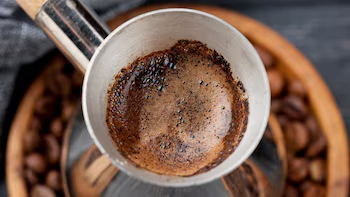
The Carioca: Recycled Coffee in Portugal
In the vibrant city of Porto, a surprising coffee trend is emerging as cafes revive a fascinating tradition of sustainability. Imagine savoring recycled coffee—this is made possible through what locals call carioca. This unique beverage is crafted by reusing coffee grounds from a previous extraction and is served at a significantly reduced price.
A Historical Perspective
The carioca is typically priced at 1 euro, while a standard espresso can set you back 2 euros. This method of preparation stems from a time when coffee was considered a luxury, especially during Portugal’s dictatorial regime. The method reflects a cultural custom born out of necessity, a way to enjoy the ritual of coffee without breaking the bank.
The Brewing Technique
What distinguishes the carioca is its unique brewing process. Baristas pour hot water over the same previously filtered coffee, creating a drink that is notably less intense and more watery in flavor. This practice serves those who prefer a lighter coffee option, particularly during the afternoons or evenings, so they can enjoy their beverage without disturbing their sleep.
The Cultural Significance of Carioca
Despite being made from recycled grounds, cariocas still hold their ground in traditional bars, especially among older patrons who cherish this nostalgic drink. The fusion of bitterness and wateriness creates a profile that reminds many of simpler, tougher times. Interestingly, modern specialty coffee shops frequented by younger consumers generally do not carry this option, preferring to focus on single-origin beans and more contemporary brewing methods. For today’s youth, carioca may seem more like a relic of the past than a present-day choice.
A Reflection of Economic Scarcity
During challenging economic periods in Portugal, such as the dictatorship, access to coffee was limited to those who could afford it. The carioca emerged as a solution for those who still wanted to enjoy a good cup of coffee for less. This wasn’t merely about sustainability but rather a pragmatic response to scarcity, giving a glimpse into how culinary practices evolve in response to socio-economic conditions.
The Future of Carioca
As society progresses, the future of carioca remains uncertain. Though it persists in some bars as a living testament to the past, it risks fading away as newer generations gravitate towards modern coffee trends. Yet, for those who have tasted it, the carioca embodies a deeper human experience—a link to rituals born out of resilience and a reminder of times when enjoying coffee at a lower price was a necessity.
This cultural artifact serves as a reminder that while tastes and traditions may evolve, the essence of community and shared experiences remain timeless, potentially making the second-hand coffee not just a product of necessity but a thread that connects generations.