
Nintendo Switch 2 vs Steam Deck: Which One Should You Choose?
It has been a week since we published our analysis of the Nintendo Switch 2 . During this time, I have received numerous questions regarding its Nvidia chip capabilities, mouse mode features, and my experiences with ‘Mario Kart World.’ However, the most asked question is whether it’s worth purchasing a Nintendo Switch 2 or opting for a device like the Steam Deck .
The short answer is that there is no definitive answer.
A massive hit . The Nintendo Switch 2 is proving successful, with official sales data and reports of it being sold out in various regions. While the system does not innovate significantly, even its standout feature—the Joy-Con that doubles as a mouse—was seen first in the Lenovo Legion Go .
The key is that Nintendo has focused on enhancing everything that made the original Switch successful, aiming for sales of 152 million consoles and counting, while also boosting the hardware performance.
The assumption . The sales figures suggest that more units in circulation will lead to more developers willing to release their games on the platform. The larger the Switch user base, the more companies will be inclined to launch titles for it. This trend was evident during the first Switch’s indie explosion , which also benefited PC gaming due to universal access to platforms like Steam.
With that said, to address the question, I’ll consider someone who owns only a PlayStation or Xbox , or perhaps an outdated laptop that struggles with new games. For clarity, this individual is considering either a Steam Deck or a Switch 2 and has the following characteristics:
- Owns a home console.
- Does not own the original Switch.
- Lacks a gaming PC.
- Desires a hybrid format for both home and portable gaming.
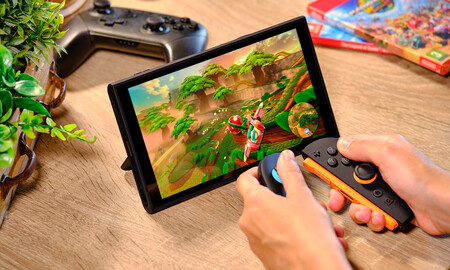
The versatility of Switch 2 is unparalleled.
Buying a Switch 2 . I’ll start with Nintendo’s console. My experience over the past weeks has been overwhelmingly positive, as it meets all my expectations. As a former user of the 2017 Switch , the improvement in display quality is striking. If I were new to the Switch ecosystem, these are the standout features that I would highlight:
- Large screen and controls, yet compact and light weight. The Switch 2 is incredibly portable, making it perfect for public transportation or lounging in bed.
- The hybrid format offers unmatched convenience: with the included dock, switching from handheld to TV gameplay is effortless. HDR enhances visuals effectively, providing extra power for improved resolution in this mode.
- Impressive game library with various physical titles available. Not only does it maintain most of the Switch’s library (with enhancements in some titles), but it ensures better preservation of games through physical media. Nintendo’s catalog remains exceptional, featuring beloved franchises like Zelda , Mario , Metroid , Donkey Kong , and more.
- While subscribing to Nintendo Switch Online has its downsides, it provides access to classic consoles like NES , SNES , Game Boy , GameCube , and Nintendo 64 , with continuous additions of titles.
- Local multiplayer with integrated Joy-Con. Many titles allow cooperative play without the need for extra controllers, reviving childhood sofa gaming moments.
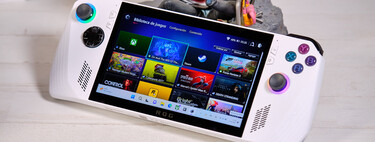
Or something like the Steam Deck . Here is where things become complicated due to the vast array of choices. Between the Lenovo Legion Go , Steam Deck , MSI Claw 8 AI+ , and Asus ROG Ally , options abound, and while they fall under a similar category, they come with substantial differences. For instance, Lenovo’s device features detachable controller parts and mouse mode, whereas the Steam Deck is more gamified. Consider the following arguments:
- They function as PCs, allowing extensive customization and a broad game library that includes cloud gaming.
- You can connect a keyboard and mouse natively. While this is possible with some Switch 2 titles, it’s effective across all games on PC, providing access to numerous strategy games absent on consoles.
- Total visual customization options to prioritize performance or graphics quality.
- Free online multiplayer—no explanations needed.
- Frequent sales across various PC platforms.
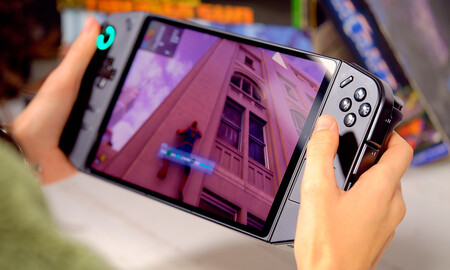
There’s plenty to choose from in the console market based on your preferences.
Neither are perfect . I have emphasized the positives, but it’s essential to acknowledge the controversies and shortcomings. The battery life is not outstanding for either system, and while this varies with game intensity, power-hungry games require proximity to an outlet.
While Switch 2 supports physical games, it needs compatible microSD Express cards, which are pricier than standard microSDs. On the other hand, the Steam Deck retains standard microSD compatibility, but this sacrifices physical game support. For a gaming-focused PC, the TV dock or cable is sold separately, but frequent sales on platforms like Steam, GoG, and free games from Epic Games provide good value.
Both systems have their merits . Ultimately, this debate lacks a clear resolution as both devices have similarities but serve very different purposes. The Switch remains a console, while the others, although console-like, are fundamentally PCs. I believe they complement each other; both offer access to Xbox’s library, select PlayStation titles, and a plethora of physical and digital Nintendo games.
However, not everyone has an infinite budget, and purchasing both represents a significant financial commitment. If discussing games, I would lean toward a gaming PC as my primary option at this point.
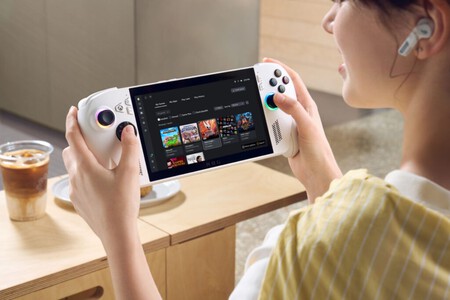
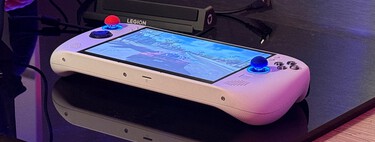
The ASUS and Xbox collaboration looks promising.
But if I had to choose… Yes, I might miss out on the Nintendo catalog and would need to purchase a dock separately, but a gaming PC offers an unmatched selection of video games, easily accessible through subscriptions, cloud gaming options like Game Pass or GeForce Now , and numerous launchers each with their promos. While I favor the Steam Deck for its SteamOS , the newly announced ASUS ROG Xbox also has my attention.
Microsoft has confirmed plans for a Windows-based operating system designed specifically for gaming, which will also support Steam. I’m eager to see how that unfolds. Undoubtedly, if I had no existing platform, I would wait a few more months to see what Xbox has to offer. However, if I were in a rush, I would opt for the Steam Deck OLED .
Ultimately, this is just my personal choice based on user type and pros and cons weighed. However, I understand perfectly why someone would gravitate toward a Switch 2 ; after all, it remains a traditional console, and while gaming PCs evolve rapidly, you can depend on the Switch 2 for a solid gaming experience for years to come. Ultimately, this comes down to personal preferences and individual decisions.
Images | Xataka, Asus, and Xbox
In Xataka | I’ve been gaming for years, and I now prioritize checking if games are cloud-compatible before making a purchase.