
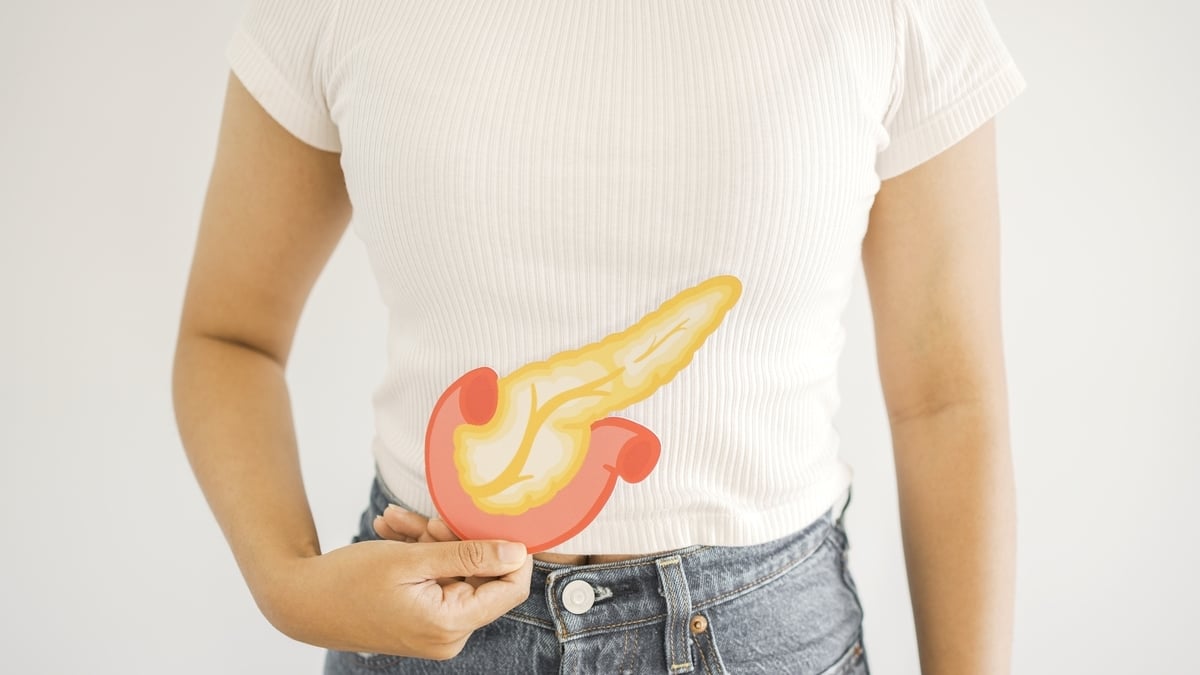
Cancer is a word that often evokes fear and distress. While some people are well aware of the dangers posed by common cancers like breast and lung cancer, others remain oblivious to the threats posed by less publicized forms, such as pancreatic cancer . Every year in France, more than 14,000 people are diagnosed with this deadly disease (INCa, 2018). Worldwide, nearly 400,000 lives are claimed by pancreatic cancer, and experts warn that by 2030, it could potentially become the second leading cause of cancer mortality in France. This silent killer must be discussed more openly to raise awareness and understanding.
Understanding Pancreatic Cancer
When one thinks about cancer, the usual suspects come to mind. However, pancreatic cancer is often overlooked, even though its survival rate remains frighteningly low. The pancreas is a crucial organ that plays a substantial role in digestion and regulation of blood sugar. Early detection is challenging, as symptoms often mimic benign issues: fatigue, loss of appetite, or temporary discomfort. A simple examination, however, could reveal a devastating diagnosis.
Does Nutrition Play a Role?
This leads us to an important question: Does the food we consume truly impact our risk of developing pancreatic cancer? Many may hesitate to seek an answer, as acknowledging that beloved foods might be harmful is often uncomfortable. However, emerging research indicates that our diet does exert a direct impact on our health , notably concerning the pancreas.
Dr. Sermed Mezher , a public health physician, highlights this issue in a video shared by *Doctissimo*. He points out that certain foods—especially those cooked at very high temperatures—release chemical substances that can damage our DNA. This damage is precisely what may contribute to the long-term development of cancer.
The Specific Culprit
As summer approaches and barbecue season begins, it’s essential to consider what happens when meat is cooked under high heat. Dr. Mezher emphasizes that burned meat, particularly when charred over an open flame, produces substances known as heterocyclic amines and polycyclic aromatic hydrocarbons . He warns, “These charred pieces contain compounds that can damage DNA .” With each poorly managed cooking session, the risk of harm escalates. What starts as a simple indulgence can have long-lasting consequences.
Additionally, overly toasted bread, well-fried potatoes, or cereals subjected to high heat all contain acrylamide , a substance classified as potentially carcinogenic by numerous studies. It forms when sugars and amino acids react under high temperatures, leading to increased health risks.
Favorite Foods that May Harm Us
Yet, the peril does not end there. Processed meats, such as ham, bacon, and industrial sausages, contain nitrites . The WHO now classifies these as known carcinogens (Group 1). This classification leaves no doubt about their associations with certain cancers, particularly those affecting the digestive system. Even alcohol, when consumed in small amounts, has been labeled an exacerbating factor by the International Agency for Research on Cancer. The culprit here is acetaldehyde , a byproduct of alcohol degradation that directly attacks our cells.
To minimize these risks, Dr. Mezher recommends avoiding high-temperature cooking methods and opting for gentler techniques such as steaming, oven cooking, or slow-cooking. Furthermore, consider marinating meat with herbs prior to cooking, which not only enhances flavor but also reduces the formation of toxic substances. Of course, indulging in a grilled sausage once in a while will not instantly lead to cancer. However, when daily habits accumulate, they can leave a significant impact. It’s crucial to remember that while our health isn’t solely under our control, every choice we make carries weight.
In summary, understanding the risks associated with certain foods can pave the way for healthier choices that may reduce the likelihood of developing pancreatic and other types of cancer. Awareness, diligent dietary decisions, and proactive lifestyle changes create a holistic approach to health that is essential in the battle against disease. By collectively addressing these issues, we can foster a greater awareness of pancreatic cancer and the influence of diet on our overall health.