
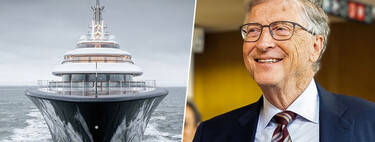
The Extraordinary Story of the Superyacht Eclipse
Over the past three years, one of the world’s most luxurious superyachts , the Eclipse, has been docked in the stunning port of Marmaris, located along the Turkish coast . This floating marvel, owned by Russian billionaire Roman Abramovich, has garnered attention not only for its unparalleled opulence but also due to the financial sanctions imposed as a result of the ongoing geopolitical conflict arising from the Ukraine War .
Background on the Ukraine Conflict
Following the onset of the Russian invasion of Ukraine , a coalition of nations, including the United States and various European countries, instituted substantial financial sanctions targeting Russian oligarchs closely associated with President Putin. These sanctions have led to numerous luxury assets being seized, and many superyachts were left stranded or captured, their owners cut off from their opulent lifestyles.
<img alt="A view of the Eclipse superyacht, known for its luxury and size, often mistakenly attributed to Bill Gates." width="375" height="142" src="https://i.blogs.es/9c045f/yate-bill-gates/375_142.jpeg"/>The Necessity of Forced Air Conditioning
Running a superyacht isn’t just about cruising the seas; it involves substantial operational costs. For the Eclipse, the intricacies of maintaining her luxurious interiors have led to an interesting operational choice—keeping the air conditioning systems running constantly. This decision was essential not only for comfort but also for maintaining the yacht’s elaborate wooden interiors against the corrosive influence of humidity and sea salt.
A Strain on Resources: Fuel Consumption
Maintaining the air conditioning aboard the Eclipse comes at a staggering expense. The yacht reportedly consumes around 1,000 liters of fuel per day just to keep the air conditioning operational. When considering the cost of fuel, which has skyrocketed in recent times, the financial burden of maintaining such a vessel while docked became apparent. The annual costs associated with mooring alone are around $209,000 .
Common Practices in the Yachting Industry
Interestingly, this isn’t an isolated case. Keeping air conditioning running on yachts, especially those of such magnitude , is a standard practice. The logic is that the expense of fuel is often less than the potential repair costs associated with damage due to prolonged inactivity.
A Look into Eclipse’s Maintenance Expenses
The lavish lifestyle associated with owning the Eclipse entails significant maintenance costs —estimated to be around $60 million annually . With its immense size (162.5 meters long and 22 meters wide), the yacht features two helipads, a submarine, a pool that can be converted into a dance floor, and even advanced anti-missile defense systems. The estimated value of the Eclipse stands at approximately $600 million .
Aside from fuel expenses, which accumulate rapidly even while docked, regular maintenance incurs additional costs. Recently, the yacht was reported to have been taken to the Tuzla shipyard for a complete overhaul, as mandated by maritime regulations that require inspection every five years (akin to a vehicle’s ITV ). This extensive refurbishment comes with a hefty price tag that could surpass $40 million .
The Future of Eclipse
As the world grapples with ongoing tensions and economic sanctions, the fate of the Eclipse remains a topic of interest . The yacht stands not just as a symbol of wealth and luxury, but also as a marker of the complex interplay between politics and personal fortune in times of turmoil.
In the face of these challenges, the question remains: will the Eclipse ever see the open seas again, or will it continue to lie dormant in the Turkish waters , a silent witness to the unfolding events in the world around it? As discussions around sanctions and geopolitical strategies continue, the future of luxury superyachts like the Eclipse might just redefine the meaning of wealth in the modern era.