
The Tragic Funeral in El Progreso
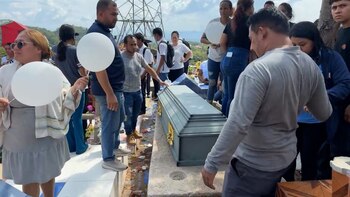
As evening fell on May 28, the earth finally covered the three coffins in Hall cemetery, El Progreso, Yoro. The dry sound of shovels marked a heartbreaking chapter in this community’s recent history.
El Progreso buried three of its children in a collective funeral, an event that will be etched in local history as a symbol of pain and loss.
Remembering the Innocence Lost
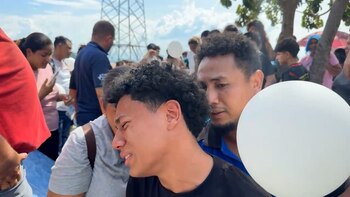
White balloons ascended into the sky, a poignant homage to the innocent souls who had left too soon. The community echoed the names of Gerald Isaac Padilla Castro (15), Jonathan Joel Hernández Moreno (15), and Carlos Daniel Vázquez Suazo (16), expressing a firm resolve that their blood would not be shed in vain.
Surrounded by wreaths of white flowers and portraits of smiling teenagers, the coffins moved through a crowd that was unwilling to accept the harsh reality of their absence. Schoolmates, dressed in uniforms and holding banners with farewell messages, shared tears and memories of shared laughter and lost dreams.
The Events Leading Up to the Misfortune
On May 26, the school routine was proceeding as usual. The three teenagers, linked to the local institutes, were engaged in academic and recreational activities when they left the school and boarded a motorcycle heading home.
Little did they know that danger lurked around the corners of the Suazo Córdova neighborhood.
In a narrow alley near the Jaime O’Leary School, they were intercepted and brutally attacked by armed assailants who opened fire mercilessly. Within moments, the lives of Gerald, Jonathan, and Carlos were extinguished.
Community Reaction and Mourning
The implications of their deaths have deeply shaken Honduran society, as preliminary investigations suggest an identity confusion stemming from criminal struggles in the area. These young individuals paid the ultimate price for a conflict in which they had no involvement.
A Call for Justice
Before the funeral, on May 27, the Perla del Ulúa Official Institute mourned the loss of three students. The hallways, now showcasing three empty desks, were filled with sorrow as the community came together to pay tribute to their passing.
The event was marked not by political speeches but by community prayers, uncontrollable tears, and a minute of prolonged applause—a resonating demand for justice. School authorities called for enhanced security measures in schools, particularly during student transition times.
The collective mourning and the funeral were not just painful farewells but powerful protests against the impunity that prevails in the country. The residents of El Progreso are united in calling for a swift and transparent investigation into this tragic loss, demanding justice for Gerald, Jonathan, and Carlos.