
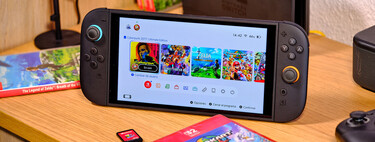
The Daring Theft: Nearly 3,000 Nintendo Switch 2 Consoles Stolen
In what can easily be dubbed the most spectacular robbery of June, gaming giant Nintendo has found itself at the center of an audacious crime. On June 9, a truck carrying nearly 3,000 units of the latest Nintendo Switch 2 was robbed in Colorado, an event that poses not only a challenge for the company’s supply situation but also raises questions about how the thieves will manage to sell the stolen consoles.
Valued at over one million euros, the theft has begun to unravel a web of issues for those involved. The driver of the truck was unaware of the high-value cargo he was transporting; he simply knew it was a shipment of games and toys making its way from Nintendo of America’s headquarters in Redmond, Washington, to a GameStop location in Grapevine, Texas.
Challenges for the Thieves
Pillaged consoles come with strings attached for the would-be thieves. Nintendo meticulously tracks the serial numbers of each console they produce. As soon as someone connects a stolen console to the internet or logs into a Nintendo account, the company can remotely render it useless . This means that the thieves must resort to employing unauthorized jailbreaks to make the devices functional again. Attempting this could easily turn a stolen Switch 2 into nothing more than a glorified paperweight —not an ideal outcome for those looking to profit from their theft.
The Dark Web: A Selling Ground for Stolen Goods
As with previous heists, stolen consoles often find their way onto the Dark Web , where they can be sold for considerably less than their retail prices. Alternatively, the thieves might consider selling the stolen consoles outside the United States. However, this doesn’t guarantee against being detected and blocked by Nintendo. In fact, this could entail a scale of operation that the criminals may not have initially conceived.
Nintendo’s Supply Issues and Market Demand
The Nintendo Switch 2 has become the most sought-after tech product on the market. Despite Nintendo’s best efforts to manage the product’s supply chain , the launch has already faced challenges, making the theft of these units that much more significant. In fact, the Switch 2 has already made headlines by selling 3.5 million units within just four days of its launch, solidifying its position as one of the most successful console releases to date.
Prevention is Better than Cure
In today’s world, stealing technology isn’t as straightforward as it once was. Devices come equipped with various identification systems that can result in their immediate invalidation post-theft. For instance, mobile phones use an IMEI (International Mobile Equipment Identity) code that allows companies to remotely block a stolen device, rendering it useless even if the SIM card is changed. Similarly, Nintendo has robust systems in place to mitigate the impact of this kind of theft.
The Legal Landscape and Nintendo’s Vigilance
Nintendo is fiercely protective of its IP and devices. Known for its zero-tolerance policy toward piracy and counterfeiting, the company has secured numerous legal victories worldwide against unauthorized reproductions of its games. It employs unique certificates and tickets linked to both the device and the Nintendo account to identify unauthorized users. Regular software updates are also used to patch vulnerabilities, and Nintendo has even gone as far as altering hardware components—such as the Mariko chip in the Switch—to thwart homebrew and piracy.
The theft of Nintendo Switch 2 consoles not only creates a short-term supply issue for the gaming giant but also opens up an ongoing narrative of crime in the digital age. The risk of theft may evolve, but companies like Nintendo are equally prepared to combat it through legal means and enhanced security measures. As the dust settles on this robbery, it becomes increasingly clear that such incidents will likely continue to challenge the gaming industry, but also sharpen its focus on protection and legal rights.