
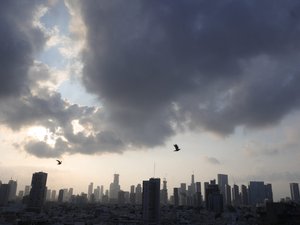
On June 15, 2025, a tragic missile strike in the suburbs of Tel Aviv claimed the lives of a Ukrainian family, including a 7-year-old girl named Anastasia , who was battling advanced leukemia . This devastating event unfolded just after they had escaped the turmoil of war in their home country.
Fleeing War in Search of Safety
Maria Pieshkurova and her daughter Anastasia left Ukraine in December 2022, driven by a desperate need for medical treatment that was hard to obtain in a country under siege. Anastasia’s condition was serious; she required specialized care that, unfortunately, was increasingly hard to access amidst the chaos of war.
After relocating to Bat Yam, a modest apartment in a district near Tel Aviv, the family believed they had found a safe haven. However, their illusion of safety was shattered when the strike, part of the escalating conflict between Israel and Iran , struck their building, leaving a total of eight dead .
“I really thought they would be safe. I would never have believed that they would go to Israel to flee the war and find it there,” lamented the former partner of Maria, who is also the father of Anastasia and a volunteer in the Ukrainian army . His words encapsulated the shock and disbelief that followed this tragic incident as reported by the New York Times.
A Family’s Ongoing Struggles
Maria had been vocal about their struggles in securing adequate health care. Faced with the exorbitant costs of treatment—totaling several hundred thousand dollars—she resorted to a call for help on social media , sharing images of her ailing daughter and appealing for support.
“Masha did everything for her little girl,” recounted Khrystyna Chantysheva , Anastasia’s godmother. “She devoted her life to her and left for Israel to receive complete treatment.” Her words reflect the lengths to which Maria was willing to go to secure a better life for her daughter amidst the horrors of war.
A Heartbreaking Final Message
In the hours leading up to the missile strike, Anastasia sent a voice message to her father, saying, “Dad, at night, I saw how the missiles fell.” This chilling message eerily foreshadowed the tragedy that was about to unfold. The little girl was scheduled to visit the hospital the following morning for a continuation of her treatment. Instead, an Iranian missile struck their building before dawn, wreaking havoc that would reverberate through their lives.
Rescuers faced an arduous task; the impact of the strike was so intense that they took four days to recover and identify the body of Maria. The deep sense of loss experienced by the family, friends, and community illustrates the profound impact of war—not only on soldiers but also on civilians who become unwilling victims.
This tragic event in Tel Aviv raises crucial questions about refugee safety in countries that might seem like sanctuaries. How can we protect those fleeing war from experiencing further violence? Moreover, as conflicts escalate, the stories of families like Maria’s remind us of the complex reality surrounding wars, where innocent lives are lost not only on battlefronts but also in unsuspecting places far from their origin of suffering.
The heartbreaking story of the Pieshkurova family symbolizes the plight of countless refugees forced to leave their homes in search of peace and healing, only to be struck down by unexpected violence. As international attention shifts toward ongoing conflicts, it’s essential to remember that behind every headline are families, lives, and futures irrevocably altered by war.