
Wimbledon: A Tradition Steeped in Controversy and Quirky Customs
Wimbledon is synonymous with tradition. Established in 1877, the iconic British tournament has solidified its status as one of the premier events in world sport. This year saw a significant technological innovation: the replacement of line judges with artificial intelligence (AI). While this change has generated controversy, some elements of the tournament remain firmly entrenched in the hearts of players—specifically, the notorious Wimbledon towels . So cherished are these towels that they have transformed from a simple accessory into a coveted souvenir, crossing the line from necessity into a quirky tradition.
Players have openly shared their amusing “tricks” for acquiring these treasured towels.
Why bother? One might argue that a towel is a trifling concern compared to the staggering prize money—over £53 million —to be distributed this year, including £3 million for individual winners. Yet, for players, towels play a significant role, becoming the object of both admiration and desire among fans. They even spark frenzied competition in the stands.
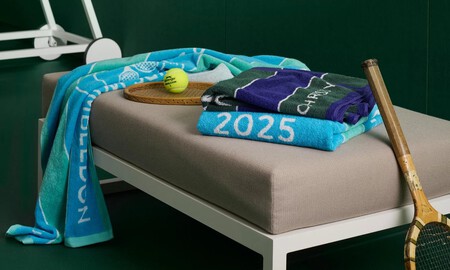
The two designs this year
These are not just any towels; they have been manufactured by the British company Christy for the past 38 years, measuring 133 x 70 centimeters, weighing 500 grams , and crafted entirely from cotton. The men’s towels maintain a classic purple and green design, while women’s towels have changed each season until recently, when uniformity was applied across the board. These towels have achieved a kind of cult status, with players eagerly awaiting the announcement of their designs before each tournament.
The Allure of Towels. In the world of sports memorabilia, towels can be as desirable as signed tennis balls or dolls, especially when associated with star players. Yet, the real challenge at Wimbledon lies not with the fans but with the athletes themselves.
Reports indicate that Wimbledon had around 7,000 towels available this year specifically for player use. As of the early rounds of the competition, approximately 2,799 towels had been distributed. However, of these, only 828 were returned to the All England Club, sparking an ongoing debate about the ethics of towel retention among players.

How the Players Operate. So how do players successfully make off with so many towels despite being watched by countless cameras? The short answer: they’re not particularly discreet about it. Some star players openly admit to collecting them, with methods that include discreetly tucking towels into their bags during matches or using rain delays as an opportunity to snag additional towels.
During matches, players are given two towels, but as matches progress, they often find themselves requesting more. For instance, Novak Djokovic has been known to quickly stash one towel into his bag right at the beginning of the match. If the game becomes intense, he requests an extra as needed.
Tracy Austin , a former champion, has shared her experience of using rain delays as a chance to accumulate up to four towels by the end of a match. They often gift these prized possessions to friends and family, knowing that a “real” towel is worth more than what is sold in the merchandise store for about £60 .
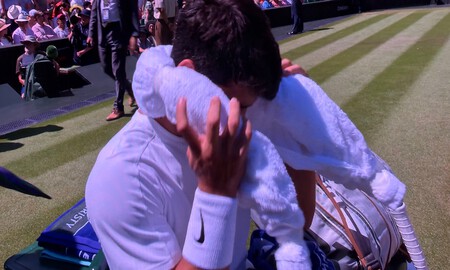
In the end, the one that they use most is that towel with ice inside
Who Hoards More? Players like Serena Williams and Rafael Nadal have managed to create impressive collections of towels over the years. Nadal has been spotted with a full garbage bag at times, which indicates just how lucrative this “souveniring” has become. According to official reports, only 15%-20% of towels are returned each championship, translating into an estimated loss of around $160,000 for the tournament.
Double Standards? It appears that the All England Club is less strict when it comes to the big-name players but is more vigilant with up-and-coming talent. Towels distributed during junior tournaments are often white, attributing them less desirability and reducing the chance of theft.
The Club’s Stance. The All England Club has recognized that they will not actively pursue the return of the towels. While requests for towel returns were once enforced, they have since accepted the reality of the situation, with one official comparing it to bringing home a vacation souvenir. This casual acceptance raises questions regarding ethics but underscores the absurdity of the tradition.
Images | Wimbledon, Xataka, Christy
As Wimbledon continues to evolve, this age-old competition remains steeped in both rich heritage and playful traditions. The towels, which have become symbols of victory and camaraderie, encapsulate the spirit of this grand championship.