
The Ongoing Fire Crisis in Spain
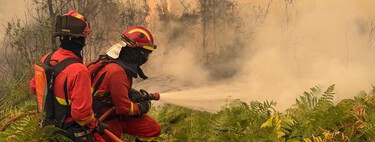
Spain is currently grappling with a devastating wildfire crisis that has taken a significant toll on its landscape and communities. While wildfires are not uncommon in this Mediterranean country, the scale and ferocity of this year’s fires have caught many off guard. Emergency response teams are struggling to keep pace, hampered by resource shortages and the extreme nature of the blazes.
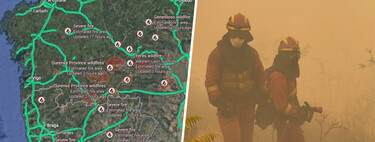
The latest reports reveal that over 340,000 hectares have been consumed by flames, marking one of the worst wildfire seasons in decades. Tragically, these fires have led to the loss of at least eight lives, with additional injuries and a mass evacuation of residents from affected areas. The European Copernicus Emergency Management Service has pointed out that this summer’s wildfires in Spain have burned approximately 6.5 times more land than usual, resulting in significant environmental impact.
The intensity of this year’s fires can be illustrated by the staggering six million tons of CO2 released into the atmosphere—almost double the typical figures for previous years. Such alarming statistics underscore the urgency of the situation, with many experts warning that these incidents are symptomatic of broader environmental changes.
Understanding Sixth Generation Fires
One of the most alarming developments in the current wildfire scenario is the emergence of “Sixth Generation” fires. These fires possess a level of intensity that alters local air circulation, leading to phenomena like pyrocumulus clouds—essentially “fire clouds”—which can spread flames rapidly and unpredictably. The extreme heat waves and dry conditions have created a perfect storm for these destructive fire types, which are exceedingly difficult to control.
The prevalence of dry brush and vegetation, combined with intense summer heat, has set the stage for these catastrophic events. Cristina Santín Nuño from the University of Oviedo—CSIC indicated that the factors are akin to a “Molotov cocktail,” contributing to the widespread fires not just in Spain, but globally.
Many experts advocate that prevention is a crucial element in managing fire risk. Given that resources for battling these extreme conditions are often limited, focusing on preventive measures becomes imperative. Given the unpredictable nature of such fires, traditional firefighting methods may lack effectiveness, underscoring the need for strategic planning and timely intervention.
As Paco Castañares, a former director at the Extremadura Environmental Board, pointed out, fires can reach temperatures of 1,200 degrees Celsius, making standard firefighting techniques largely ineffective. The erratic behavior of these wildfires complicates operational logistics, necessitating a shift in strategy.
The Need for Resources
The limitations faced by Spain in managing wildfires have sparked considerable debate. Despite the unpredictability of sixth generation fires, not all wildfires fit this description. Many fires, particularly those of lower intensity, are manageable and could benefit from dedicated firefighting efforts.
Controlling a blaze before it escalates dramatically reduces the risk of catastrophic outcomes. Once a fire reaches a certain intensity, it may become almost impossible to extinguish. As fire dynamics shift, efforts must be prioritized to capitalize on moments when extinguishment becomes feasible.
However, the focus should extend beyond immediate fire control strategies. Preparing vulnerable areas before the onset of wildfire season is crucial for minimizing risk. This approach necessitates a year-round commitment to preserving rural ecosystems and mitigating fire hazards, ensuring that preventive actions remain in place throughout the year.
Additionally, decisions on resource allocation are vital. Support must be concentrated on vulnerable communities and locations most at risk. Castañares emphasizes that these resources should be deployed in ways that effectively protect people and property from wildfire threats.
The repercussions of these wildfires extend far beyond the flames; they impact various sectors of the economy, including agriculture, forcing many to reassess how they operate amidst such a crisis. The urgency to address and combat this escalating fire crisis is more pressing than ever.
In summary, Spain’s wildfire crisis serves as a stark reminder of the complex interplay between climate conditions and land management practices. The steps taken now will shape the future landscape and safety of vulnerable communities across the country.